There’s nothing quite like the feeling of travelling abroad for the first time. The first time I travelled without my parents, it was the summer between high school and college – it was one of the best trips of my life, and I have no doubt that being able to travel independently was a big part of what made it so special.
Many people travel solo for the first time as students, and whether you’re studying abroad, attending a music festival in Europe, or experiencing your first boozy trip with friends, your first international flight can feel overwhelming.

In this article, I’m going to walk you through everything you need to know before flying alone for the first time, based on over a decade of solo travel. So, without further ado, here are 10 first time flying tips for students and young people.
Flying Alone for the First Time: 10 First Time Flying Tips for Students
1. Start with smart planning
Planning is not just about booking a ticket – it’s about understanding the whole process in advance so that nothing catches you off guard.
Start by comparing flight options (I always use Skyscanner), checking baggage rules, and choosing travel dates that fit both your schedule and your budget. It’s usually cheaper to fly on a weekday, and of course, travelling during school holidays will always be pricier, for both flights and accommodation.
It’s also wise to think ahead about things like what documents you’ll need, whether you’re comfortable navigating through the airport, and what you’ll need during the flight (this is especially important for long-haul flights).

Many first-time travellers have similar concerns, from missing documents to not knowing what to expect at the airport. One way to feel more prepared is to get used to thinking through these situations in a structured way (identifying the problem, then working out a simple solution).
Even resources that aren’t travel-specific, like these popular problem and solution topics, can help you practise breaking down challenges and approaching them more logically, which makes the whole process feel far less overwhelming.
Creating a basic checklist can also make a big difference. Write down everything you need to do before departure, from booking your ticket to organising your documents, and tick things off as you go.
Don’t forget to get travel health insurance – this ensures that even in the worst-case scenario, you are covered for medical treatments, emergency evacuations, and even trip cancellations. My go-to is SafetyWing.
2. Get your documents in order
One of the most critical aspects of international travel is having the correct documents. Some countries have strict entry requirements, and failing to meet them could result in denied boarding.
There are also strict specifications for passport and visa photos. Creating compliant pictures for travel documents used to be a time-consuming and costly thing. Now, it is much easier – you can capture a new photo right at home or choose one of your recent shots. Then simply process it with passport size photo software that automatically crops and centres your headshot to meet the requirements.
The most important thing is ensuring your passport is valid for at least six months beyond your travel date. Depending on your destination, you may also need:
- A student visa (if you’re travelling to a new country to study)
- A tourist visa (if you’re taking a short trip)
- Acceptance letter from your university (if you’re travelling to study)
- Proof of accommodation (usually the address where you’ll be staying throughout your time in the country)
- Return ticket confirmation
- Travel insurance
I always advise people to keep both digital and printed copies of these documents, and store them in a secure but easily accessible place in your carry-on bag.
3. Packing tips
Packing for an international flight requires strategy, especially if you’re flying with hand-luggage only.
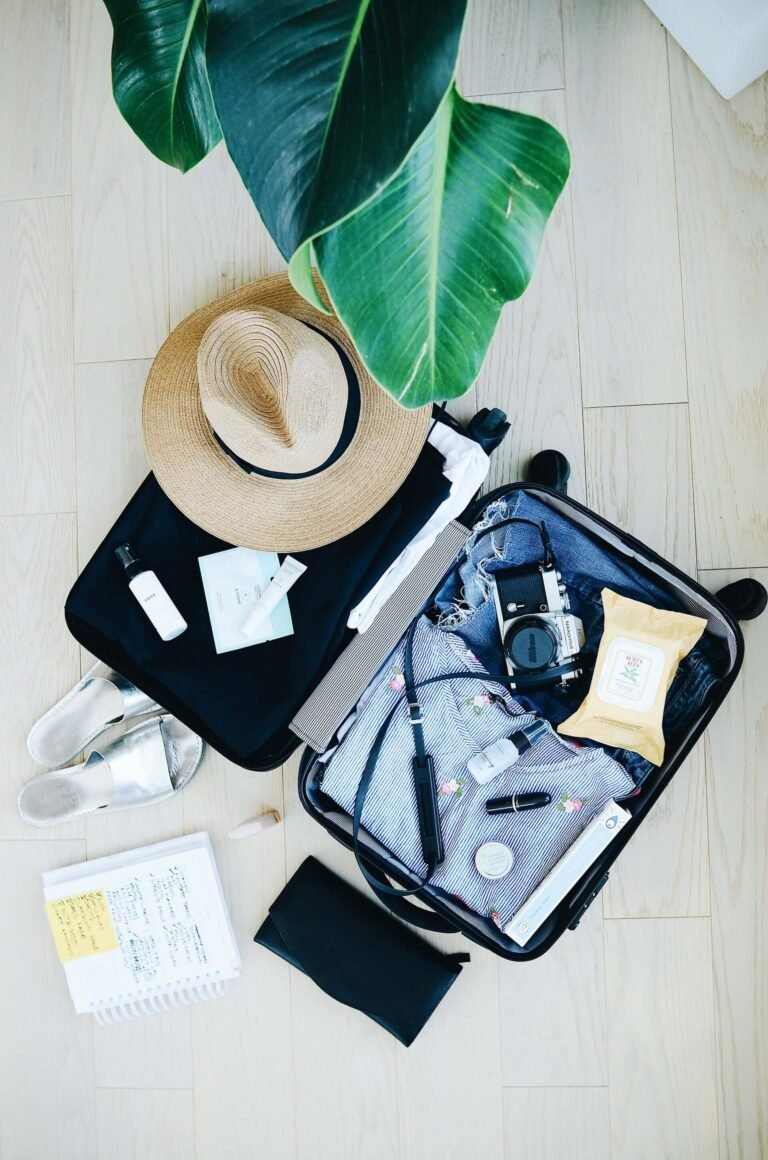
Here are some things that I always bring on the plane with me:
- Important documents
- Electronics and chargers (don’t forget a power bank!)
- Headphones
- Toiletries (in travel-sized containers)
- Medications (and sanitary supplies if needed)
- Travel pillow
- Ear plugs
- Lip balm (planes always give me such dry lips!)
When it comes to clothes, do your best to avoid overpacking.
Rolling clothes instead of folding them can save space and reduce wrinkles, and using packing cubes (especially compression packing cubes) can be an incredible way to save space.
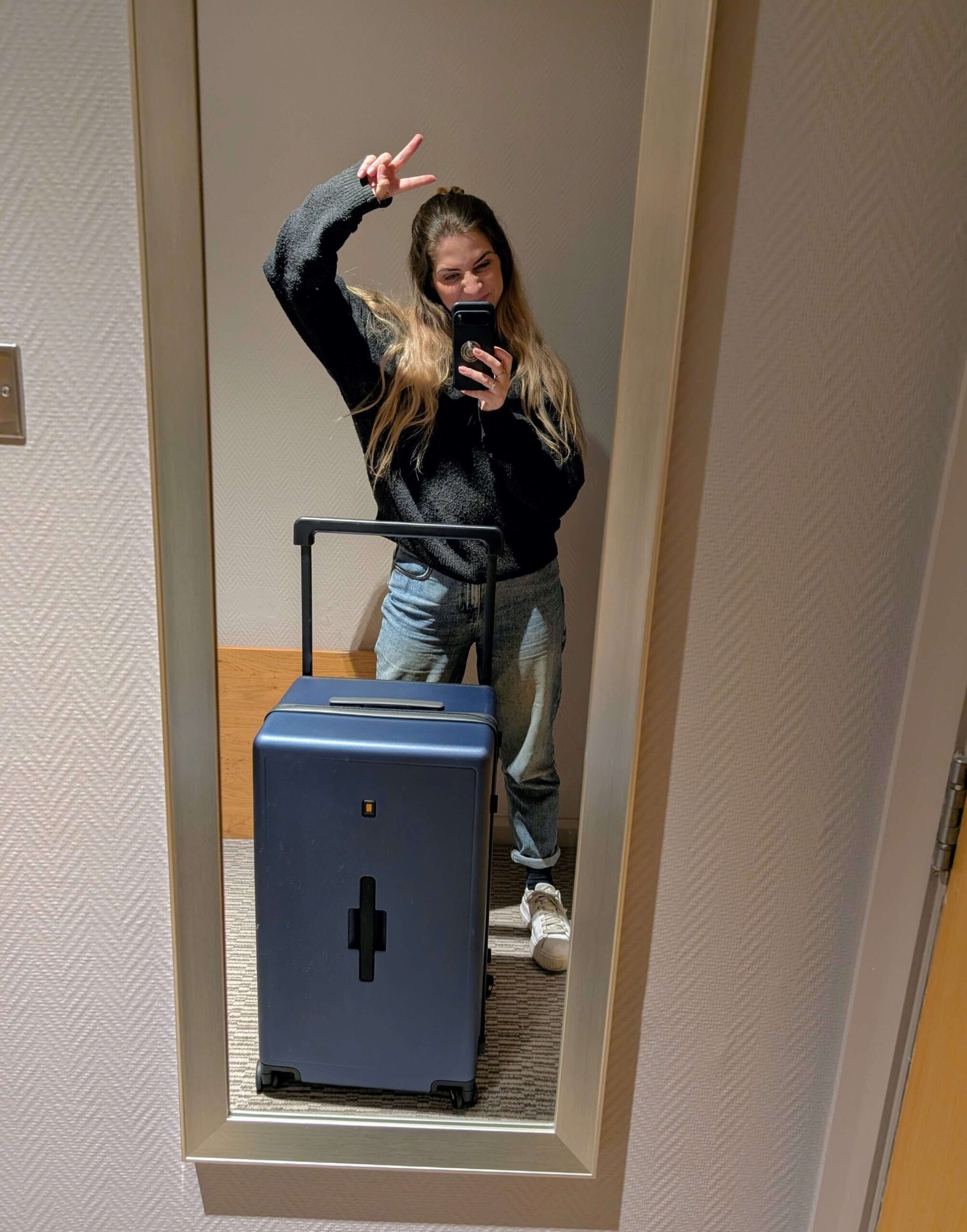
If you’re looking for high-quality luggage, you should read my Level8 review. I usually travel with Level8 cases if I’m checking in luggage, and a 28L Cabinzero backpack if I want luggage that will fit under the seat in front of me (this is the free luggage option on most European airlines).
4. Know what you’re doing at the airport
Airports can be intimidating if you’re flying alone for the first time.
If you’re travelling long-haul, you should arrive at the airport at least 3 hours before your departure time. For shorter flights, 2 hours is enough.
The typical process includes:
- Check-in (usually done online, but can be done at the airport)
- Baggage drop-off (this is done at the same time as check-in)
- Security screening (where your hand luggage is scanned)
- Passport control
- Boarding
Pay attention to airport screens for gate updates and boarding times. Some airports are huge, so allow plenty time to move between terminals or get to your gate.
5. Be prepared for security checks
Airport security procedures can feel intimidating, but they’re pretty straightforward when you know what to expect.
Typically, all liquids in your carry-on must be in containers of 100ml or less and placed in a clear plastic bag, which you’ll remove from your bag and place in a tray during screening. All of your liquids must fit in one plastic bag.
Electronics like laptops and hair straighteners may also need to be removed from your bag during screening.
You will also need to remove your belt, jacket, and if you are wearing boots that go above the ankle, these will need to come off too. If you’re wearing a lot of jewellery, you may also need to remove some of this (I always get told to take off my bangles).
Always follow instructions from airport staff – they are there to help ensure safety and efficiency.
6. Preparing for the flight
Long-haul flights can be physically and mentally exhausting, especially if it’s your first time flying.
Dress comfortably and wear layers, because cabin temperatures can vary. Stay hydrated by drinking plenty of water and avoid excessive caffeine.
Walk around the cabin occasionally to improve circulation.
You should also make sure to have some podcasts or Netflix shows downloaded (in-flight options are not always a given).
It’s also worth bringing ear plugs and an eye mask if you want to try and sleep on the flight.

7. Managing your finances abroad
Budgeting is crucial when travelling internationally, especially as a student.
Notify your bank before travelling to avoid issues with your card being blocked, and always carry a small amount of local currency for immediate expenses upon arrival (plus, not everywhere accepts card payments!).
Using a travel-friendly debit or credit card with low foreign transaction fees can also save you money. I’ve been using Monzo for years and I’m obsessed with it. You can sign up using my link and receive a mystery gift of either £10, £20, or £50!
Lastly, keep emergency funds separate from your main wallet in case of loss or theft.
8. Staying connected
Staying connected abroad is essential for navigation, communication, and safety.
Before departure, research SIM card options or international roaming plans. I’ve written before about the benefits of eSIM, and an eSIM that I recommend is Sim Local. You can read my full review of Sim Local here.
Useful apps to download include:
- Download Google Maps offline for the place you’re travelling to
- Google Translate
- Airline apps for flight updates
Always share your travel itinerary with someone you trust so that someone knows your whereabouts.

9. Cultural differences
Take time to research local customs, etiquette, and basic phrases in the local language. This not only helps you avoid misunderstandings (and scams!) but it also shows respect for the country you’re visiting.
Examples of cultural differences include tipping practices (Americans are always shocked by the way we tip in Europe!), and dress codes (especially in the Islamic world).

10. When you arrive
Your journey doesn’t end when the plane lands, and navigating a new country can be just as challenging as the flight itself!
After landing, you’ll go through:
- Immigration (passport check)
- Baggage claim
- Customs
Have your documents ready for inspection and answer any questions honestly.
You should also have an idea of how you’re getting from the airport to your accommodation. Airport taxis are often super expensive, so research public transport options or see which taxi apps are available in the country you’re heading to.
Flying Alone for the First Time | Final Thoughts
Flying alone for the first time is a major step toward independence and global experience, and you’ll never forget your first trip. Although it can seem overwhelming, it’s really not that scary, and if you prepare accordingly, you’ll have nothing to worry about.
Remember, every experienced traveller was once a beginner – I was crying and telling my mum I was going to cancel my first solo trip, but I was so glad I didn’t!
That’s all I’ve got for today’s post guys, but as always, leave any questions in the comments section below and I’ll do my best to get back to you.
Until next time,
XOXO
If you like this article and would like to support my work, please click the button above to donate a couple of bucks and buy me a coffee. The revenue that I receive on this website is minimal, so support from my readers enables me to keep creating content that you (hopefully!) love to read.
Disclaimer: Travelling Jezebel contains affiliate links. If you make a purchase on a recommended site, I may make a small commission at no extra cost to you.