Tea is inextricably linked with England’s cultural identity. From the novels of Jane Austen to the polished upper-crust of British period dramas, few portrayals of British life feel complete without the beloved tradition of tea drinking.
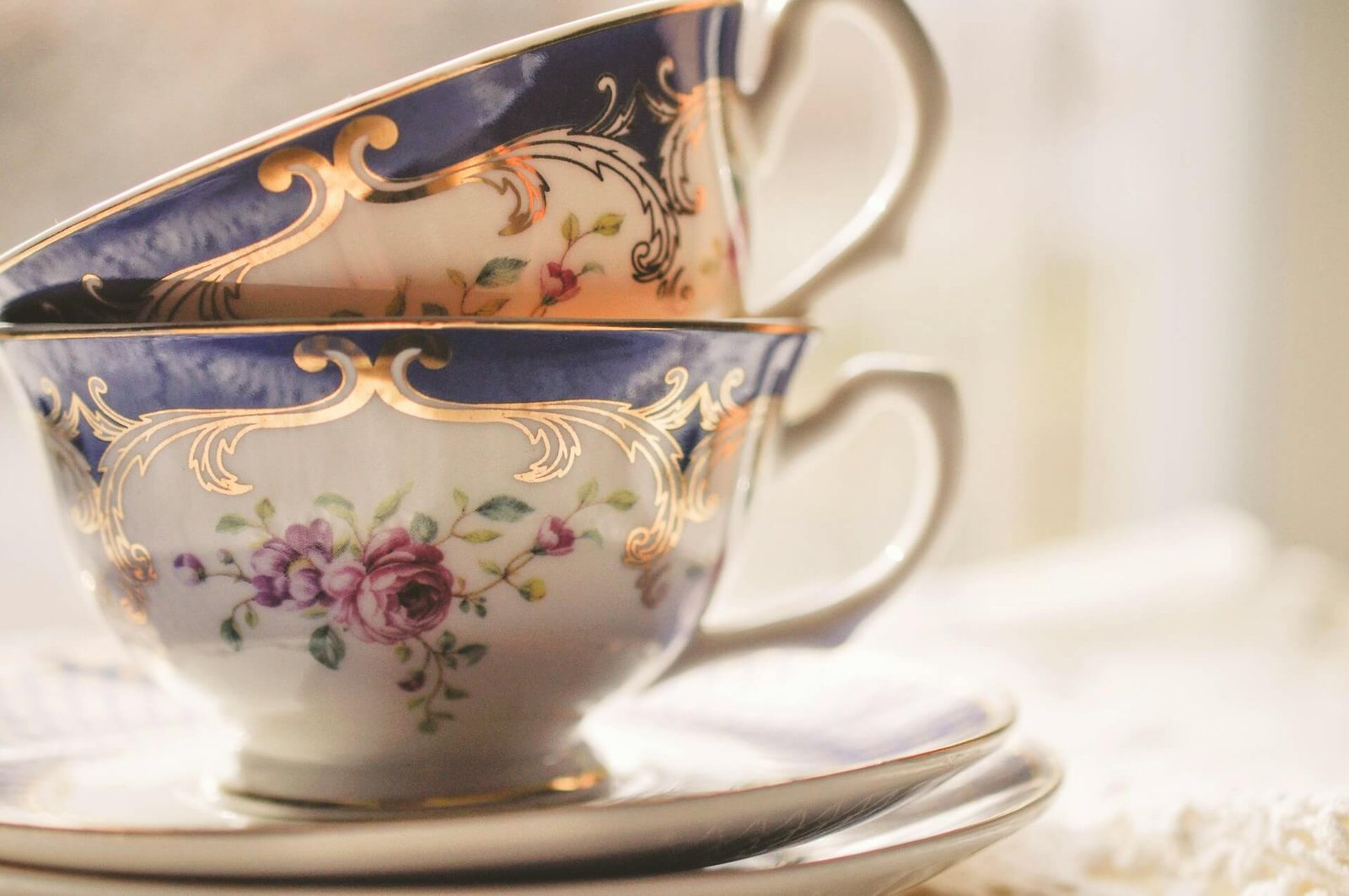
Royal Albert teacups, steam curling from a China teapot, and tiers of finger sandwiches and warm scones are all part of a ritual built on elegance and pause, equal parts taste and tradition.
The terms ‘high tea,’ ‘afternoon tea,’ and ‘cream tea’ are often used interchangeably, but contrary to popular belief, they aren’t all referring to the same thing!
Although each phrase refers to snacks or a meal served with tea, there are some key differences between the three. In this blog post, I’m going to break down what the differences are so that the next time you host a tea party, you’ll get it exactly right.
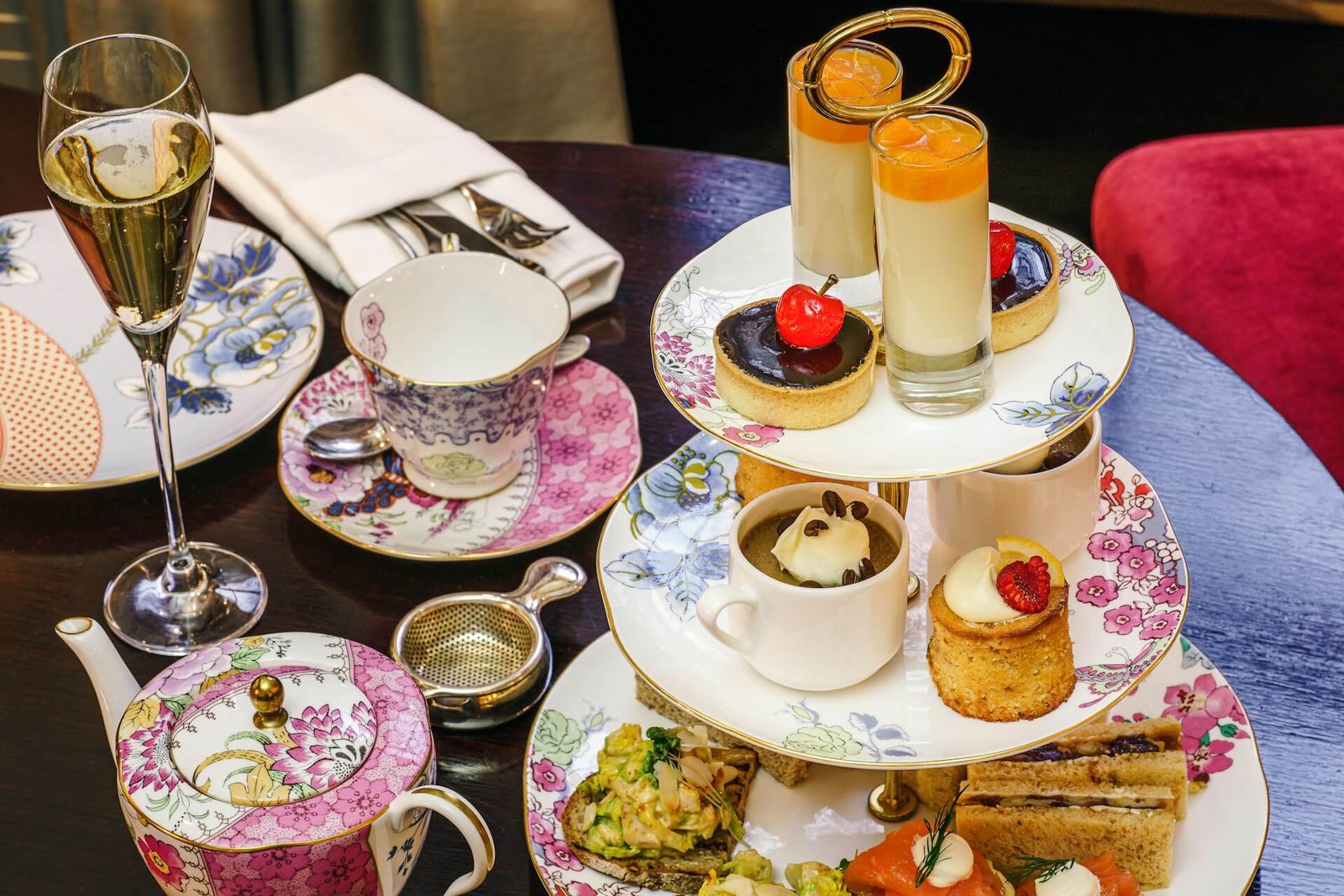
What’s the Difference Between High Tea, Afternoon Tea, and Cream Tea?
High Tea vs. Afternoon Tea vs. Cream Tea
What is High Tea?
Most people assume that High Tea is the poshest of the three teas, but this couldn’t be further from the truth!
High Tea is actually a very working class phenomenon that would take place in the late afternoon/early evening and would include a vast array of stodgy, hearty foods.
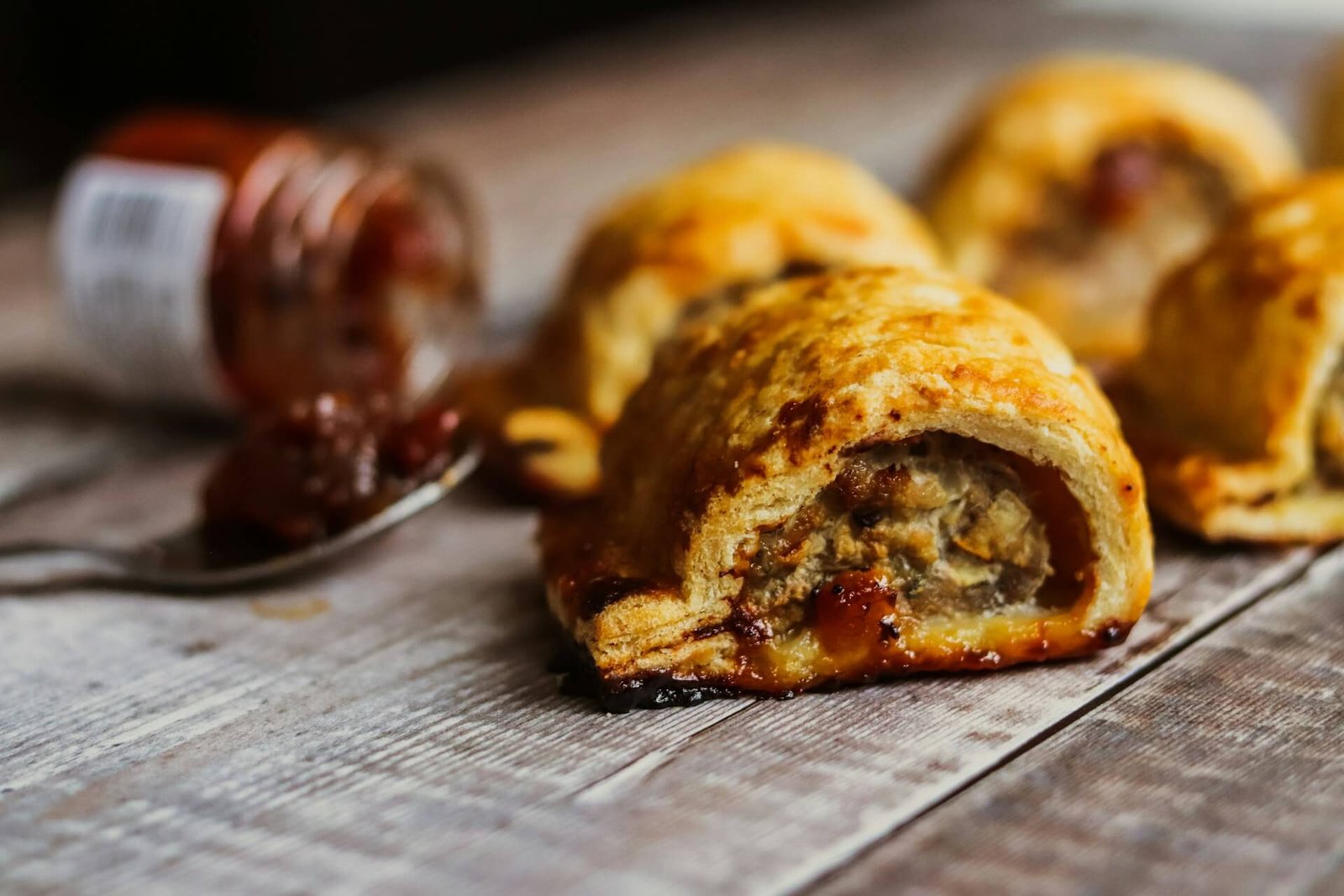
High Tea is served at a dining table (on high stools or chairs, hence the name) and typically includes more substantial foods like cold cuts, quiches, sandwiches, pork pies, and savoury pastries. It is much closer to a proper meal than Afternoon Tea, and is historically what working class Britons (especially from the north of England) would consume after a long day working in the factories or fields.
High Tea is usually served on regular plates rather than fine China.
High Tea foods
- Cold meats
- Sandwiches
- Pork pies
- Sausage rolls
- Quiche
- Cheese and pickles
- Scotch eggs
- Potatoes
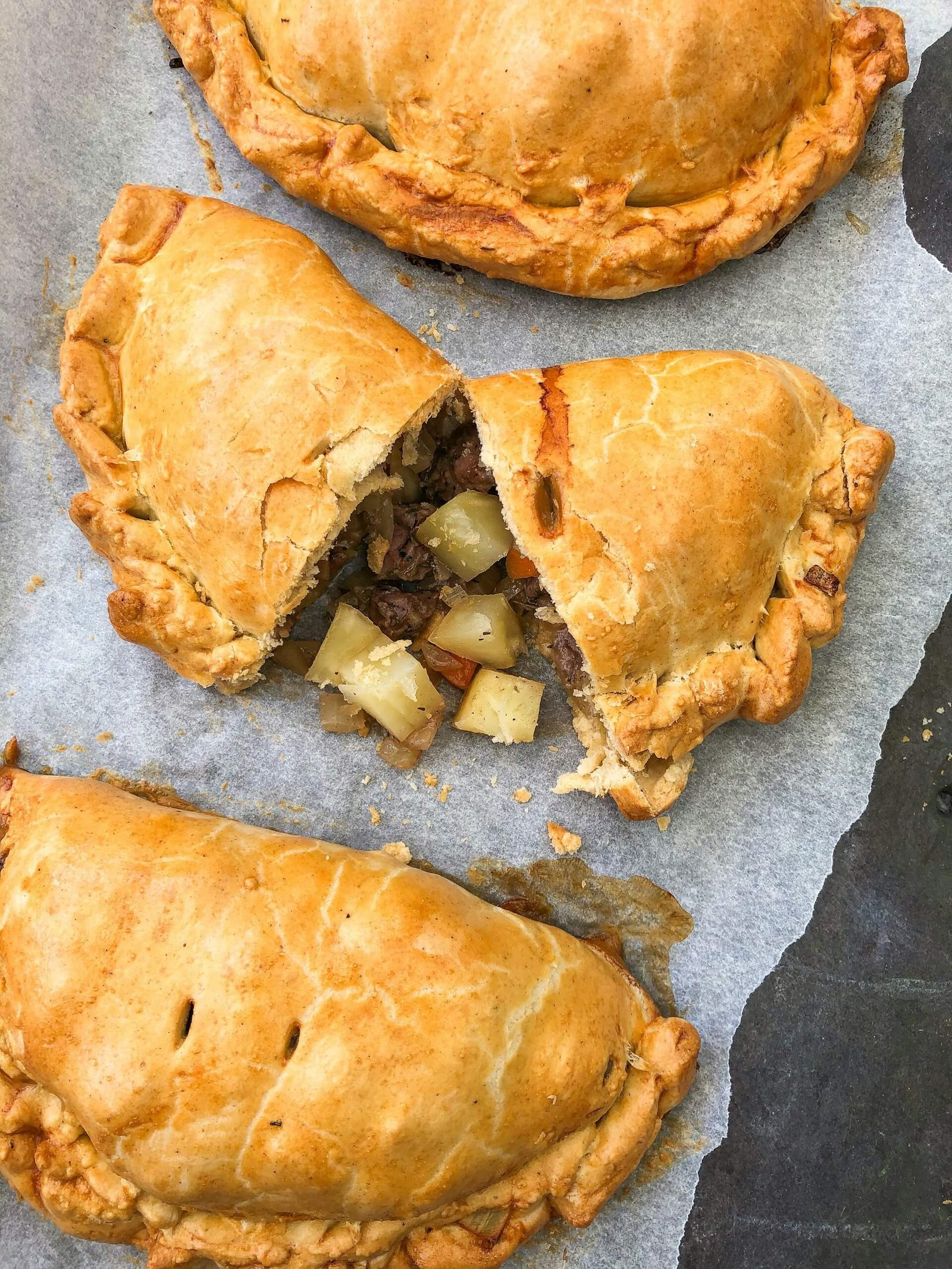
- Cornish pasties
- Shepherd’s Pie
- Tea cakes
- Bread and butter
- Flapjacks
- Rock cakes
- Eccles cakes
- Tea (traditionally strong and black)
Read: 11 Beautiful Books Set in the UK
What is Afternoon Tea?
When most people hear the words ‘tea party,’ the image that springs to mind is that of Afternoon Tea.
Afternoon Tea originated in the 19th century and was established by Anna, the Duchess of Bedford.
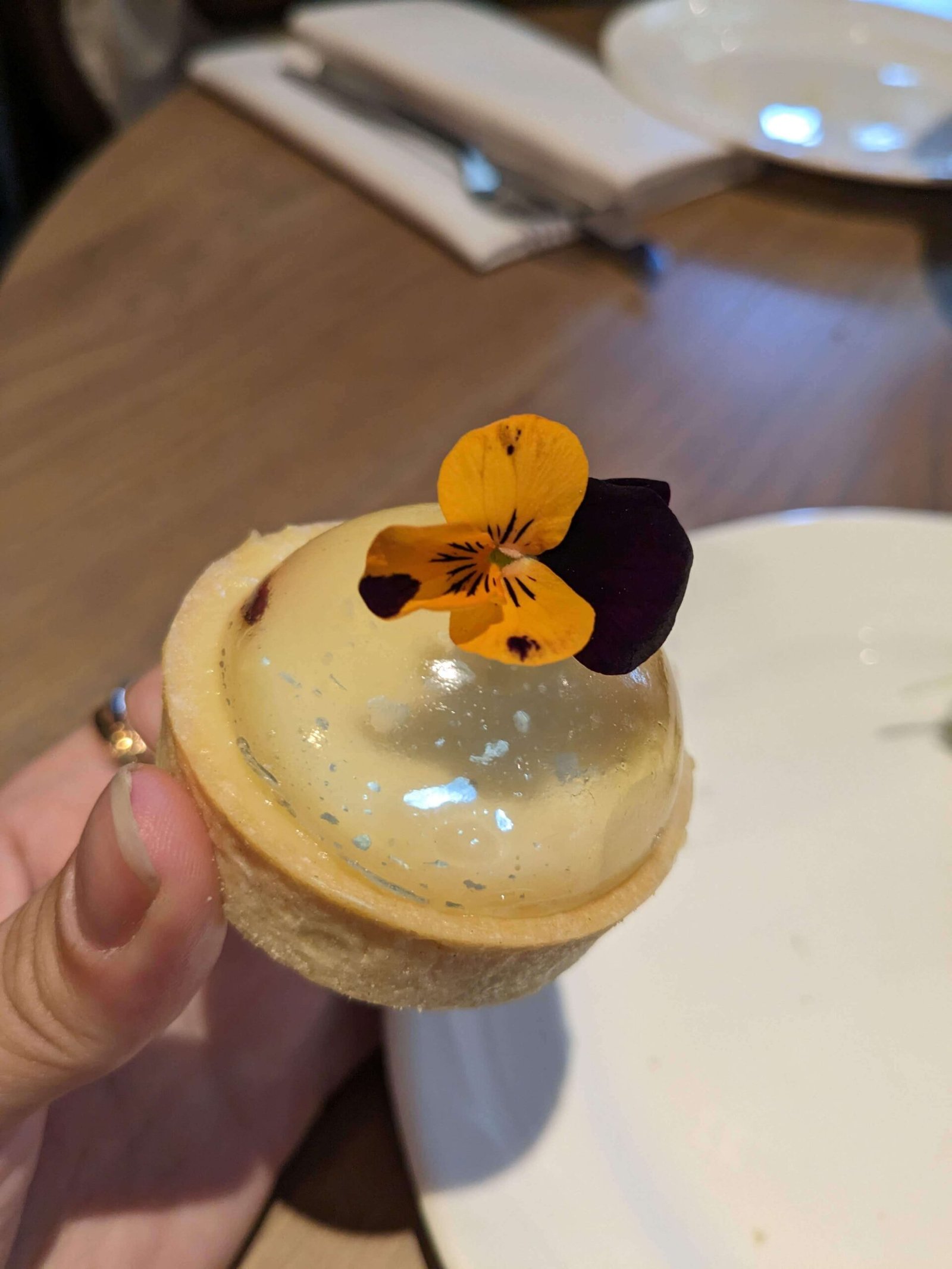
Afternoon Tea is a much more refined affair than High Tea. Traditionally, Afternoon Tea was reserved for the upper classes, with wealthy women changing into their best dresses and coming together to exchange gossip and fill the gap between lunch and dinner.
Afternoon Tea is usually served between 3-5pm, and the food served is much lighter than at a High Tea.
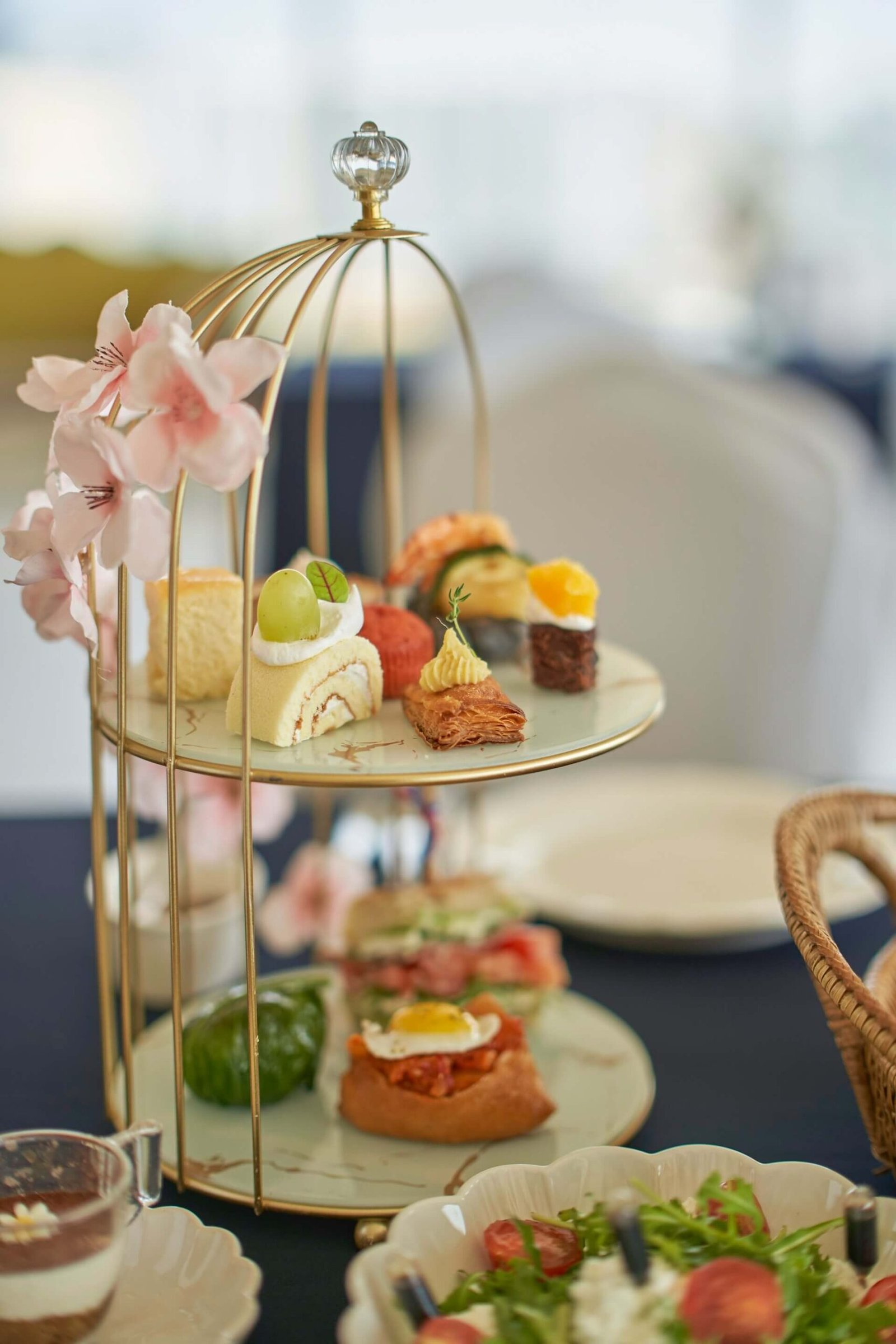
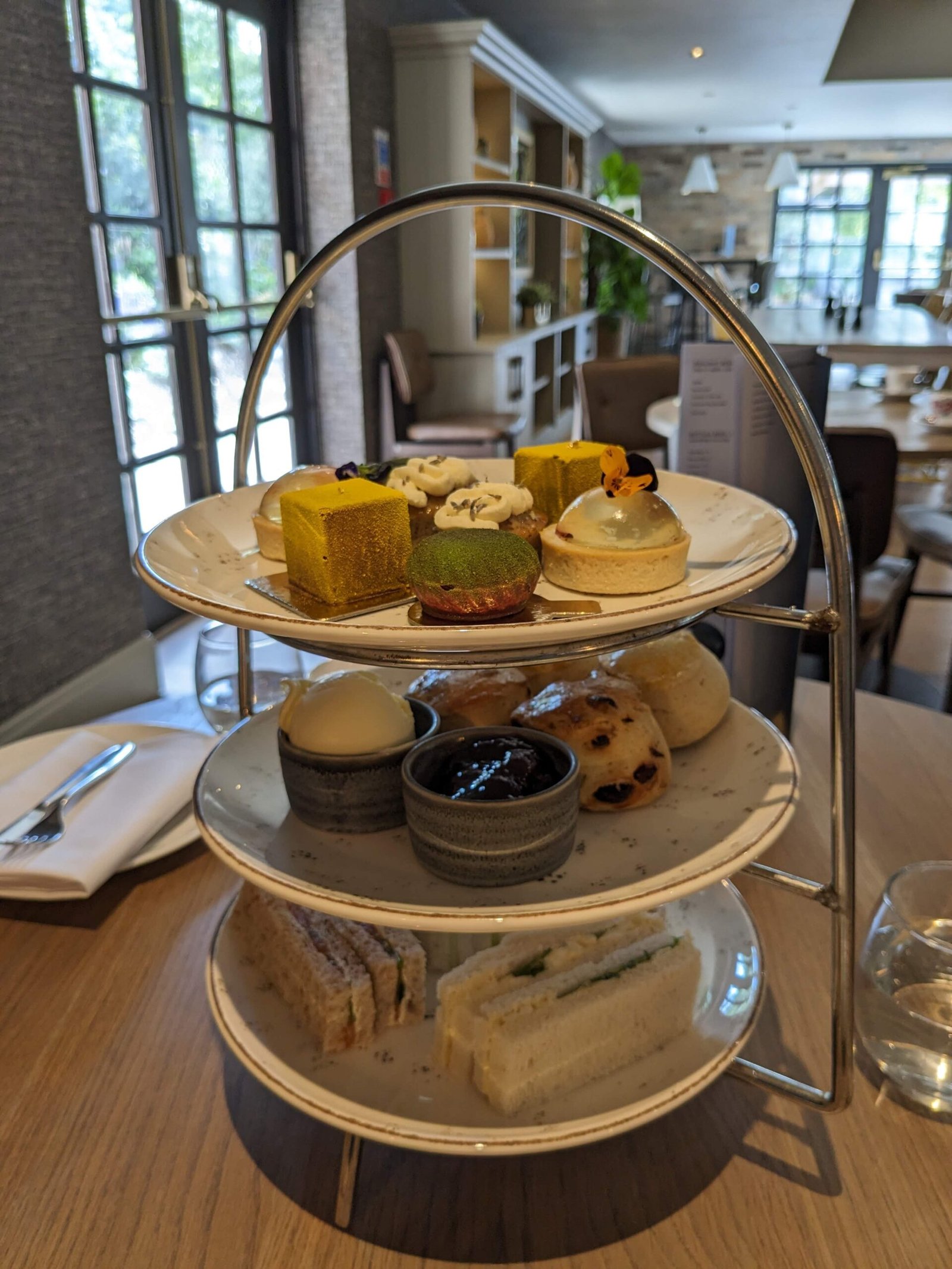
Food at an Afternoon Tea is arranged in a tiered stand and typically includes dainty finger sandwiches (always with the crusts cut off), cakes, warm scones, and other sweet treats.
Afternoon Tea is usually served in delicate bone China cups, and is traditionally served in drawing rooms, with participants sitting on couches or low parlour chairs.
Fun fact: Queen Victoria loved Afternoon Tea!
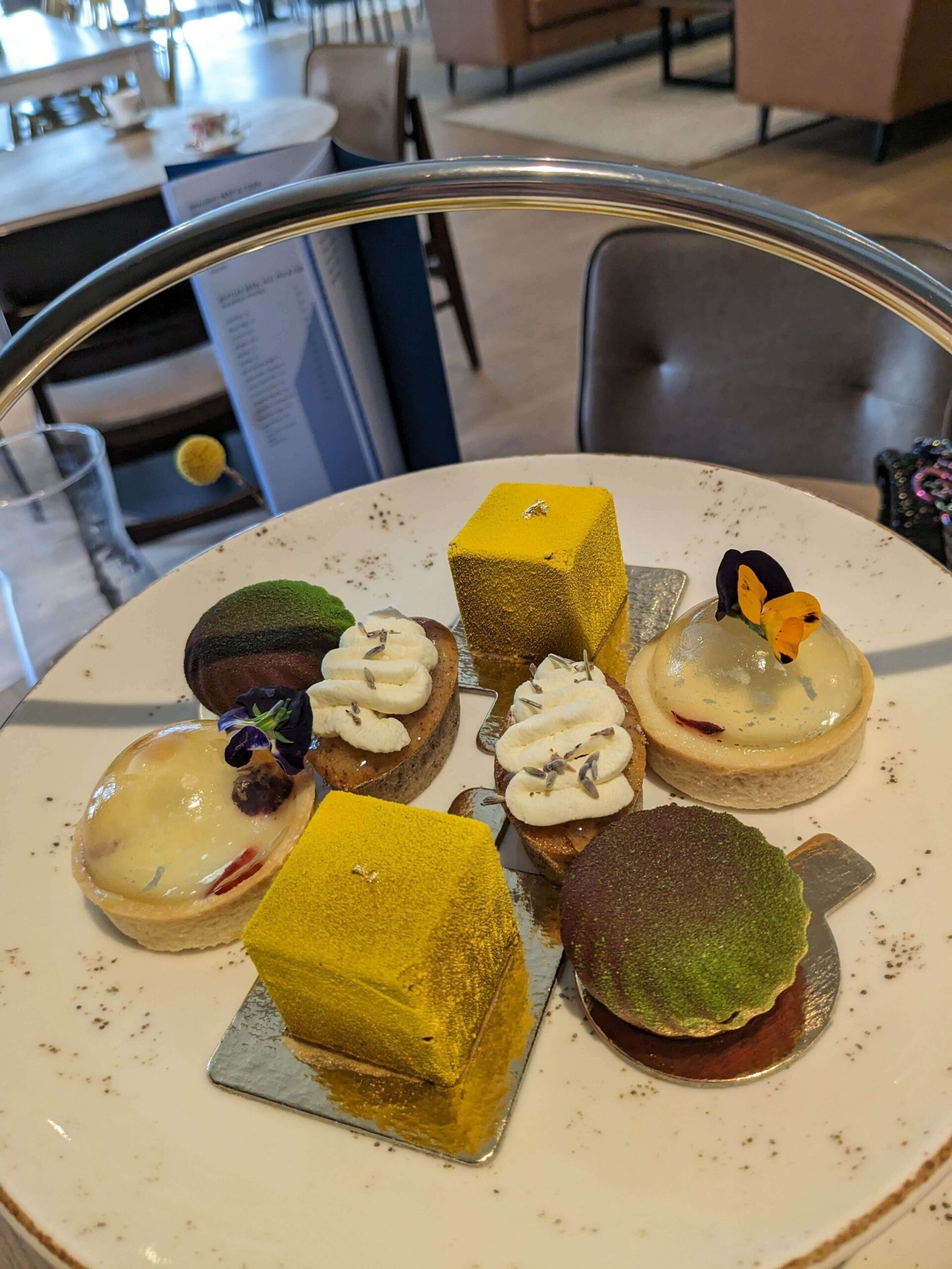
Afternoon Tea foods
- Finger sandwiches (egg mayo, cucumber, smoked salmon, coronation chicken)
- Scones with clotted cream and strawberry jam
- Victoria sponge
- Eclairs
- Macarons
- Tarts
- Battenberg cake
- Tea
- Champagne
What is Cream Tea?
Cream Tea is the simplest, yet perhaps the most quintessentially British thing on this list!
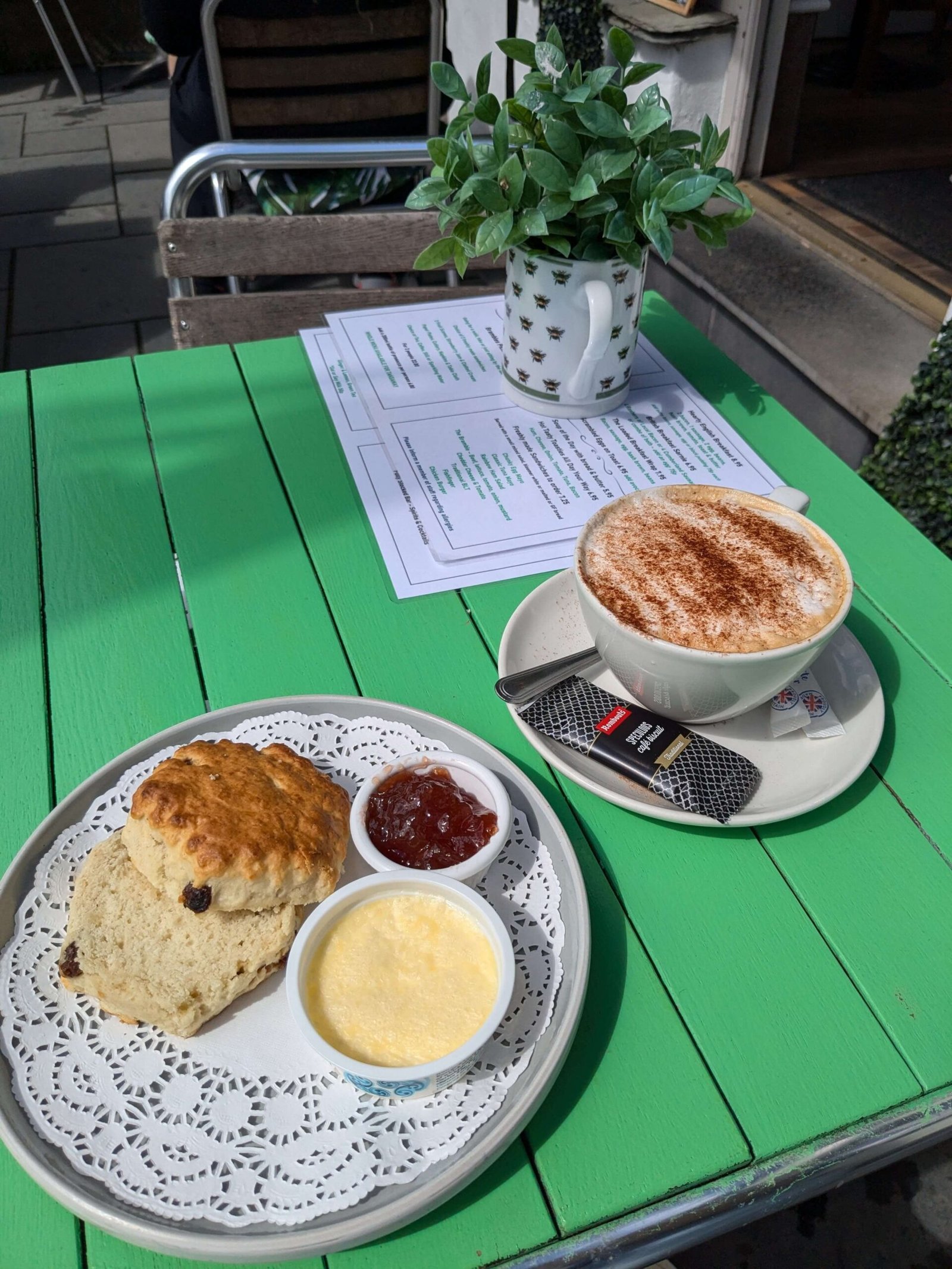
Cream Tea consists of warm scones served with clotted cream and jam, alongside a pot of freshly-brewed tea.
Cream Tea is especially popular in quaint towns and villages, and you’ll find it everywhere from the southernmost points of Cornwall and Devon to the heart of the Lake District. My boyfriend even got cream tea in a cat café in Stratford-upon-Avon!
High Tea vs. Afternoon Tea vs. Cream Tea | Final Thoughts
So, whether you’re piling your plate high with pork pies and pickles, lingering over delicate finger sandwiches and cakes, or keeping things blissfully simple with scones, jam, and cream, each tradition has its own distinct place in British food culture.
I hope that this post has helped clear up any confusion, as well as any misconceptions you may have had about British tea culture. Understanding the differences is a fascinating glimpse into British history, class, and gastronomical tradition.

That’s all for today, but as always, if you have any questions then do let me know in the comments section below, and I’ll do my best to answer them.
Until next time,
XOXO
If you like this article and would like to support my work, please click the button above to donate a couple of bucks and buy me a coffee. The revenue that I receive on this website is minimal, so support from my readers enables me to keep creating content that you (hopefully!) love to read.
Disclaimer: Travelling Jezebel contains affiliate links. If you make a purchase on a recommended site, I may make a small commission at no extra cost to you.