
9 Cultural Things to Do in Egypt for an Authentic Experience
Egypt.
Just saying the name conjures up images of towering pyramids, the majestic Nile River, and the whispers of ancient civilizations that shaped the world.
There’s a good chance that Egypt has been on your bucket list for years, but experiencing it in a way that’s authentic and culturally rich involves some planning. In this post, I’m going to share 9 things to do in Egypt for a deeper travel experience.
Are you ready? Then let’s get into it.
9 Cultural Things to Do in Egypt for an Authentic Experience
Explore the Ancient Wonders
Egypt is famous for its ancient wonders, and for good reason. The Pyramids of Giza, the Sphinx, and the Valley of the Kings – the list of historical places to visit in Egypt is endless.
Of course, these places attract large crowds of tourists, but that doesn’t mean that they don’t deserve a place on your Egypt itinerary.
Read: 23 Essential Marrakech Tips You Need to Know
The Pyramids of Giza
If you’re visiting Egypt, you can’t skip the Pyramids of Giza. The feeling of standing before these massive structures is nothing short of humbling. The sheer scale and craftsmanship will leave you wondering how building them was even possible – it’s worth remembering that the Great Pyramid is over 4500 years old!
Of course, you can’t miss the Sphinx, the mysterious half-lion, half-human statue that’s been keeping watch for centuries.
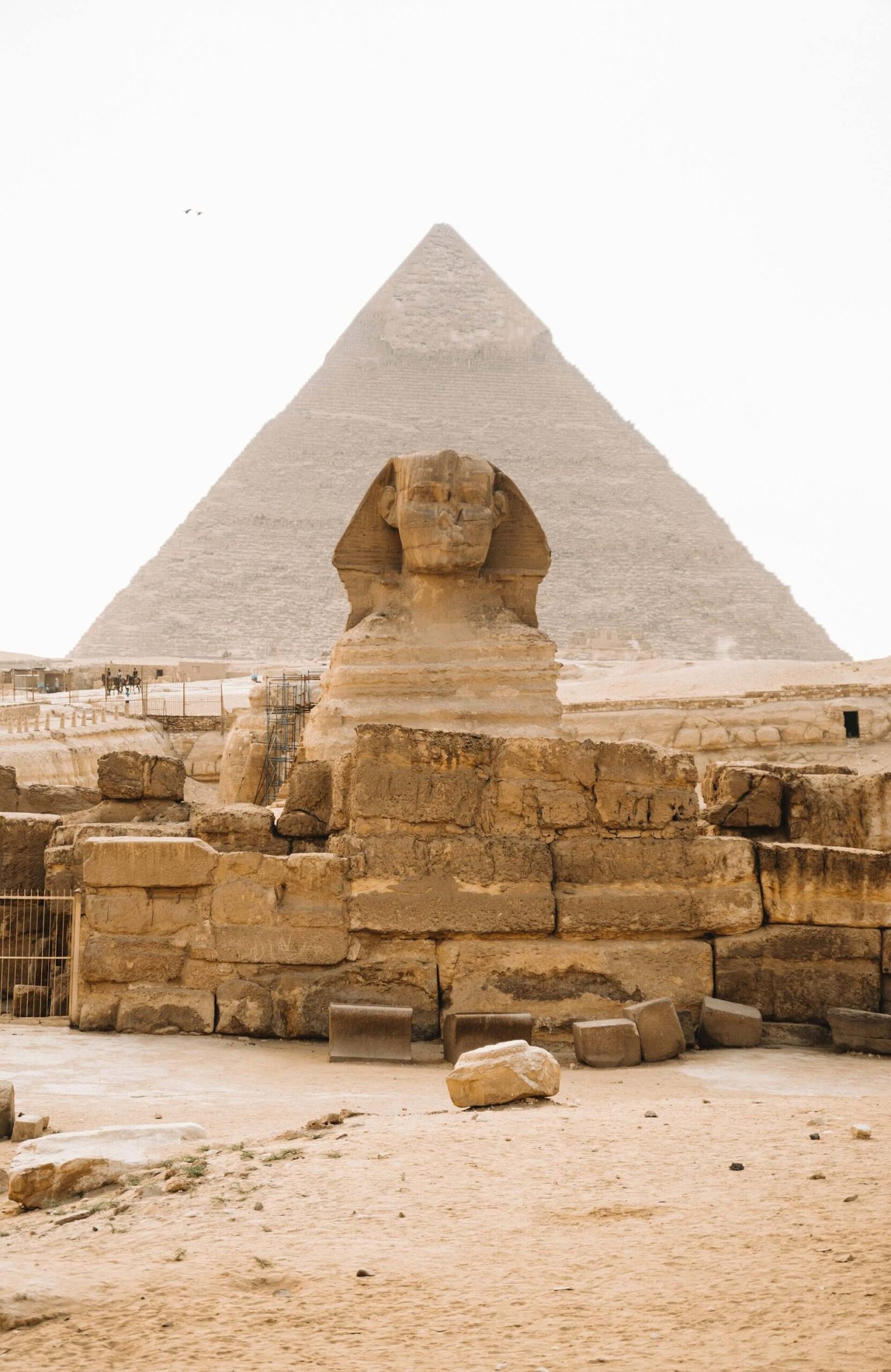
To make the most of your visit, try to go early in the morning before the crowds arrive. It’s magical to experience the site with just a handful of people, and the light at sunrise makes for stunning photos!
Luxor and the Valley of the Kings
Head south to Luxor, and you’ll find yourself walking in the footsteps of pharaohs.
The Valley of the Kings is where some of the most famous tombs in the world are located, including King Tutankhamun’s. The walls are adorned with detailed hieroglyphics and murals, telling stories of gods, kings, and everyday life thousands of years ago. Walking through these ancient burial sites is an experience that transports you back in time.
It’s not just about the tombs, though. Luxor is home to incredible temples like the Karnak Temple, as well as the majestic Luxor Temple. You can’t fail to be in awe of the grandeur and intricacy of these ancient monuments.
Immerse Yourself in Egyptian Culture
While Egypt is undoubtedly known for its ancient history, modern-day Egyptian culture is equally fascinating.
Egypt is vibrant, full of life, and bursting with traditions that date back millennia. Its culture is woven into every part of daily life, from the food to the music, and the best way to experience it is by diving right in.
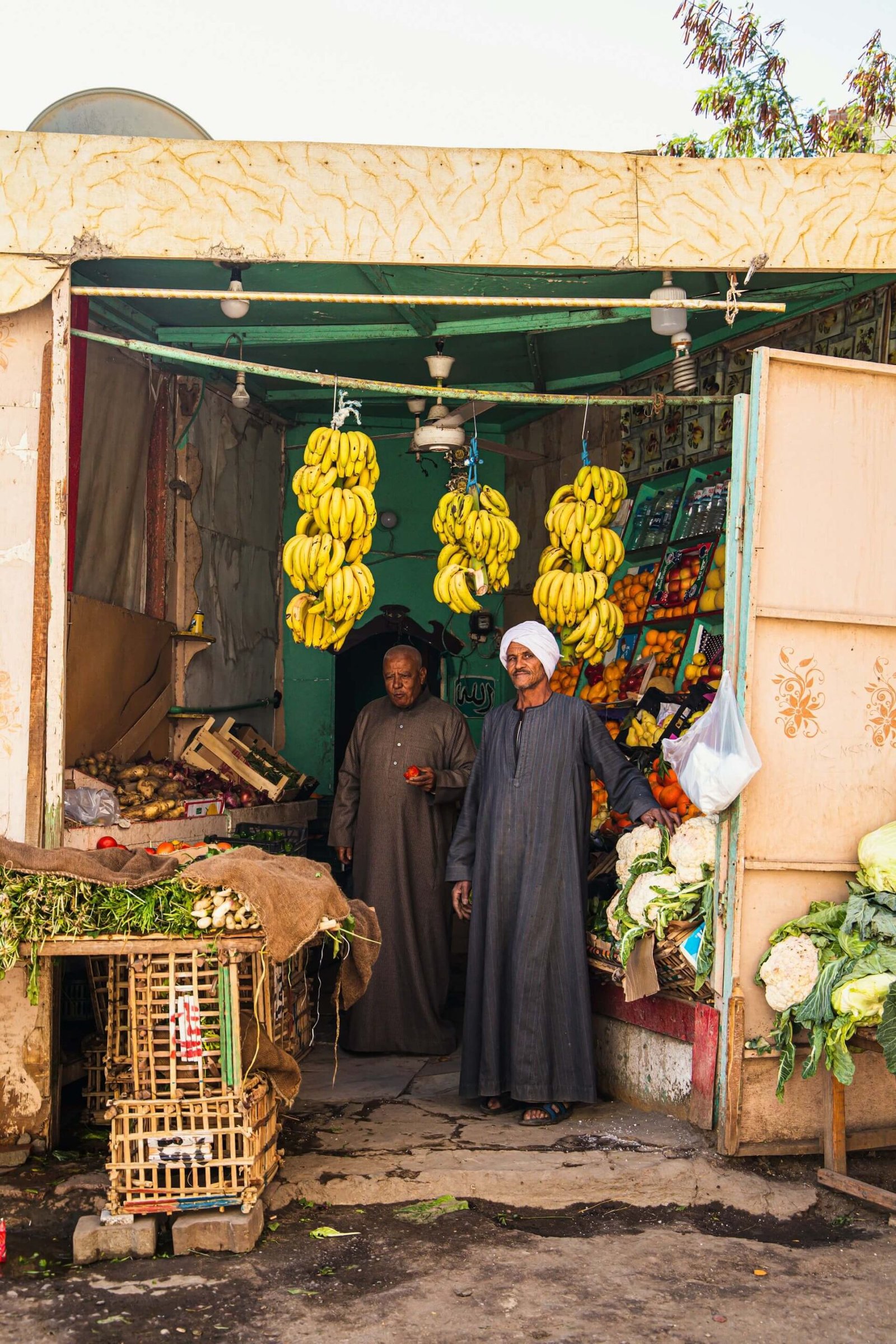
The vibrant streets of Cairo
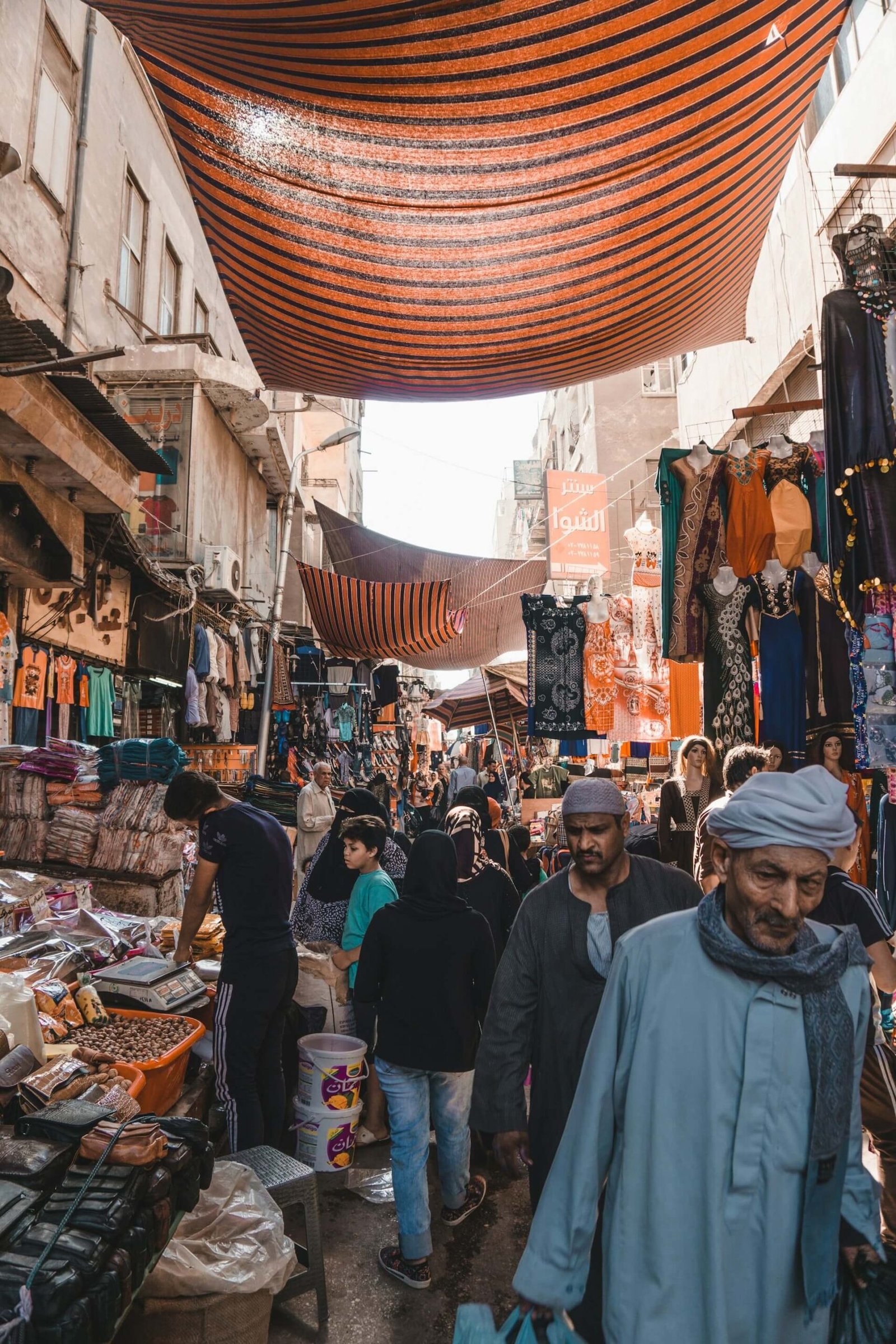
Love it or hate it, Cairo is the beating heart of Egypt, and wandering through the crowded streets is a sensory overload.
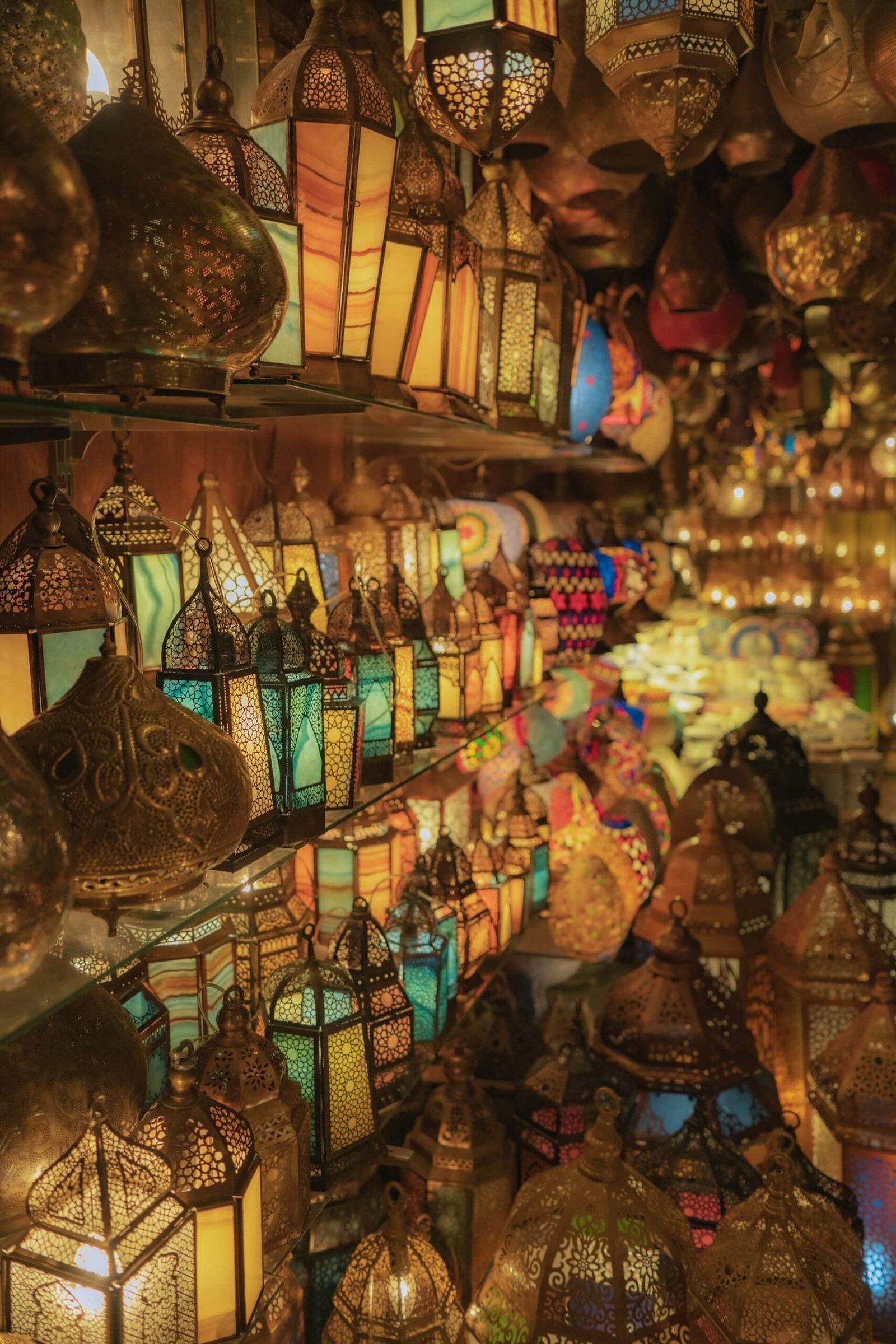
Be sure to check out the famous Khan El Khalili bazaar (Google Maps link), where you’ll find everything from lamps and lanterns to colourful alabaster scarabs, handmade khayamiya cushions, oud burners, and fragrant spices (Egyptian cumin and hibiscus are the ones to buy).
Of course, you can’t forget the food. If you haven’t tried Egyptian dishes like koshari (Egypt’s national dish) ful medames (breakfast stew made from fava beans), or freshly-baked baladi bread, you’re in for a treat.
Eating in Egypt is a chance to connect with Egypt’s deep culinary heritage, especially if you indulge in the local street food.
Read: One Week in Tunisia: Culture, Cuisine & Historic Cities
Egyptian festivals and traditions
If you’re lucky enough to visit Egypt during one of its festivals, you’re in luck. Egyptian festivals are vibrant and full of life, like Sham El-Nessim, which is a 5000 year-old national holiday celebrating the start of spring, or the Sandbox Music Festival, which takes place on the beaches of El Gouna every year in June.
Festivals are a perfect opportunity to see Egypt at its most colourful and lively, and they’ll give you a much deeper appreciation for the country’s traditions.
Cruise the Nile River for a Luxurious Adventure
Without exception, one of the best things to do in Egypt is to take a Nile cruise. A Nile cruise isn’t just a way to get around – it’s the perfect way to experience Egypt’s beauty from a unique vantage point. Once you’ve seen the sun setting over ancient temples and tiny villages as you sail down the river, you’ll understand.
Why the Nile River Cruise is a must
Whether you’re a history lover or someone looking to relax, a Nile cruise has something for everyone. Not only are the views unbeatable, but you’ll also get to see some of the most stunning temples and villages along the river.
From Luxor to Aswan, a Nile cruise is the perfect way to soak in the beauty of Egypt at a slower pace.
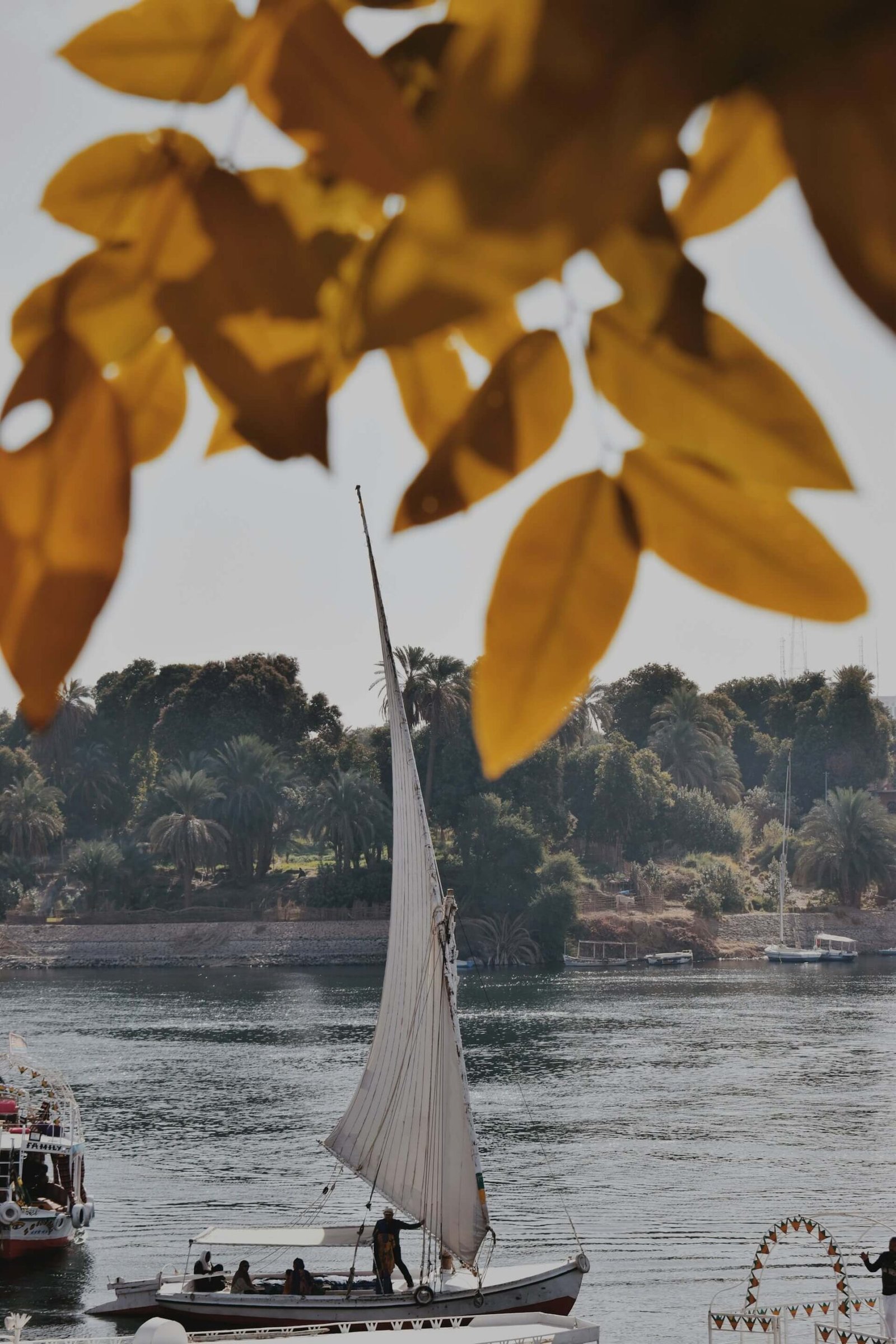
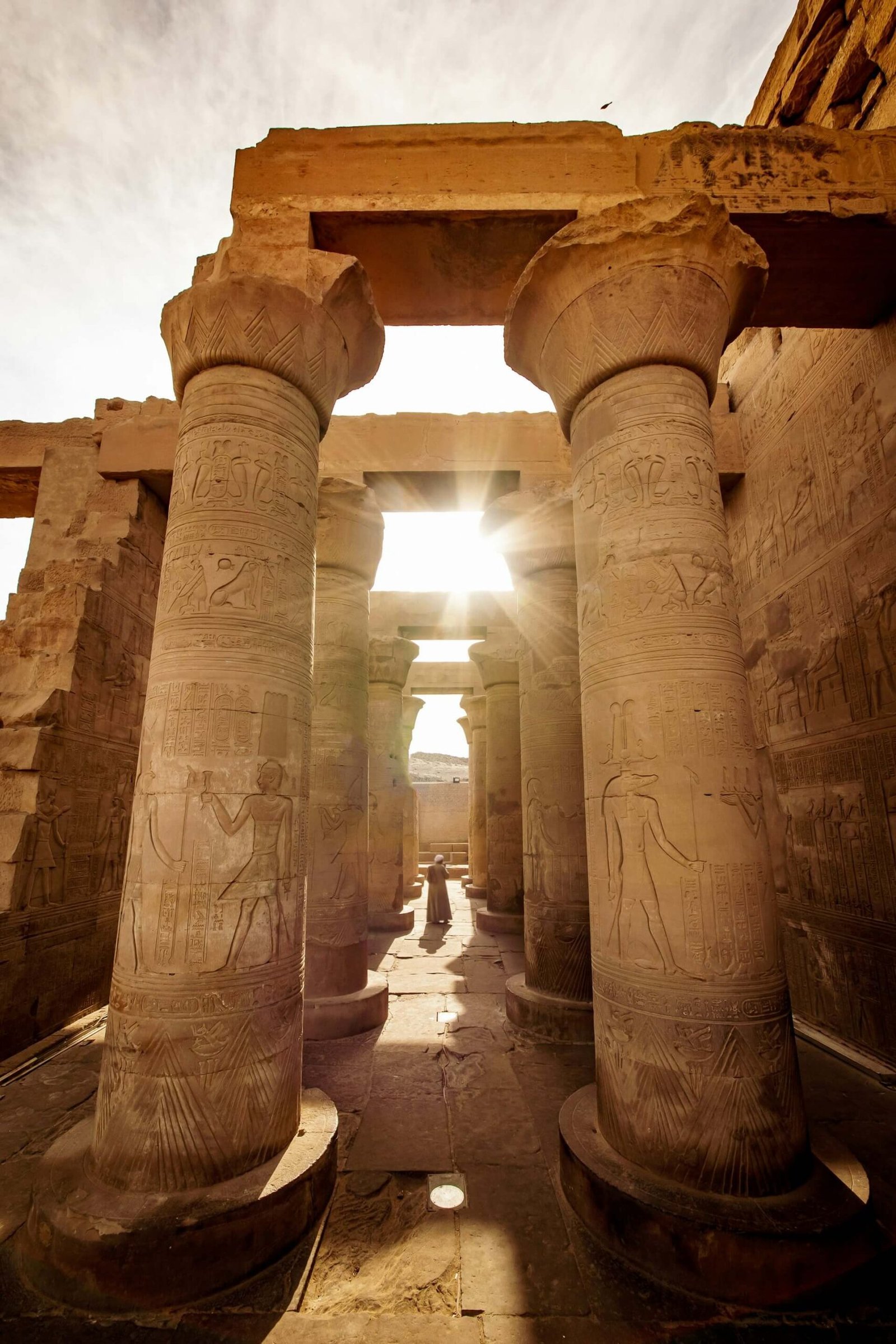
You’ll also have the chance to explore Edfu and Kom Ombo, which are two beautiful Ptolemaic-era temples that are only accessible by boat.
Edfu is famous for the incredibly well-preserved Temple of Horus (the falcon-headed god), while Kom Ombo is uniquely divided into two symmetrical halves, with one half dedicated to Sobek (the crocodile god of fertility), and one half dedicated to Horus the Elder.
At Kom Ombo, you can also find a museum full of mummified crocodiles found in the area, highlighting the ancient worship of Sobek.
Read: 20 Authentic Moroccan Souvenirs You Need to Buy
Slow travel
I’ve written before about why slow travel is a more meaningful experience, and I think that allowing yourself time to travel more slowly in Egypt is a great way to immerse yourself in its history and culture.
If you’re thinking about exploring the country on a deeper level, why not consider a more comprehensive trip that includes everything from Cairo’s ancient wonders to a Nile cruise? A 15-day Egypt group tour package offers a way to experience everything without having to worry about logistics.
Discover the Enchanting Egyptian Deserts
Egypt is famous for its ancient history and the Nile River, but did you know that Egypt is also home to some mesmerising deserts?
The vast, quiet stretches of sand are the perfect backdrop for an adventure, and there are plenty of cultural experiences to be had here.
Safari in the White Desert
If you’re an adventure seeker, a desert safari is a must.
The White Desert, with its surreal limestone formations and wide-open spaces, is one of the most unique landscapes in the whole Egypt, and taking a jeep tour through this area is a thrilling way to explore the desert.
You can even spend the night here, camping under the stars – here are some tour options I found on GetYourGuide.
The Siwa Oasis
For something a little more off the beaten path, head to the Siwa Oasis in the Western Desert.
This quiet oasis town is home to hot springs, ancient ruins, and a culture that’s distinctly different from the rest of the country.
Siwa’s isolation has kept its traditions alive for centuries, and it’s the perfect place to unwind and immerse yourself in a slower pace of life.
Relax by the Red Sea
Travelling in Egypt can be hectic, and there’s no better place to relax than by the Red Sea.
Sharm El Sheikh and Hurghada are two of the most famous beach destinations in Egypt, and they’re perfect for unwinding after days of sightseeing.
Underwater worlds
The underwater world of the Red Sea is stunning, especially if you’re into diving or snorkelling – the Red Sea actually boasts 360 dive days every year!
These crystal-clear waters are some to some of the most beautiful coral reefs in the world, plenty of marine life, and even a ship graveyard where you can discover up to 7 shipwrecks.
Ancient Art and Artefacts
If you’re a history lover, you’ll love Egypt’s museums.
The Egyptian Museum in Cairo is home to one of the most impressive collections of ancient Egyptian antiquities in the world, with over 170,000 artefacts, including the treasures of King Tutankhamun.
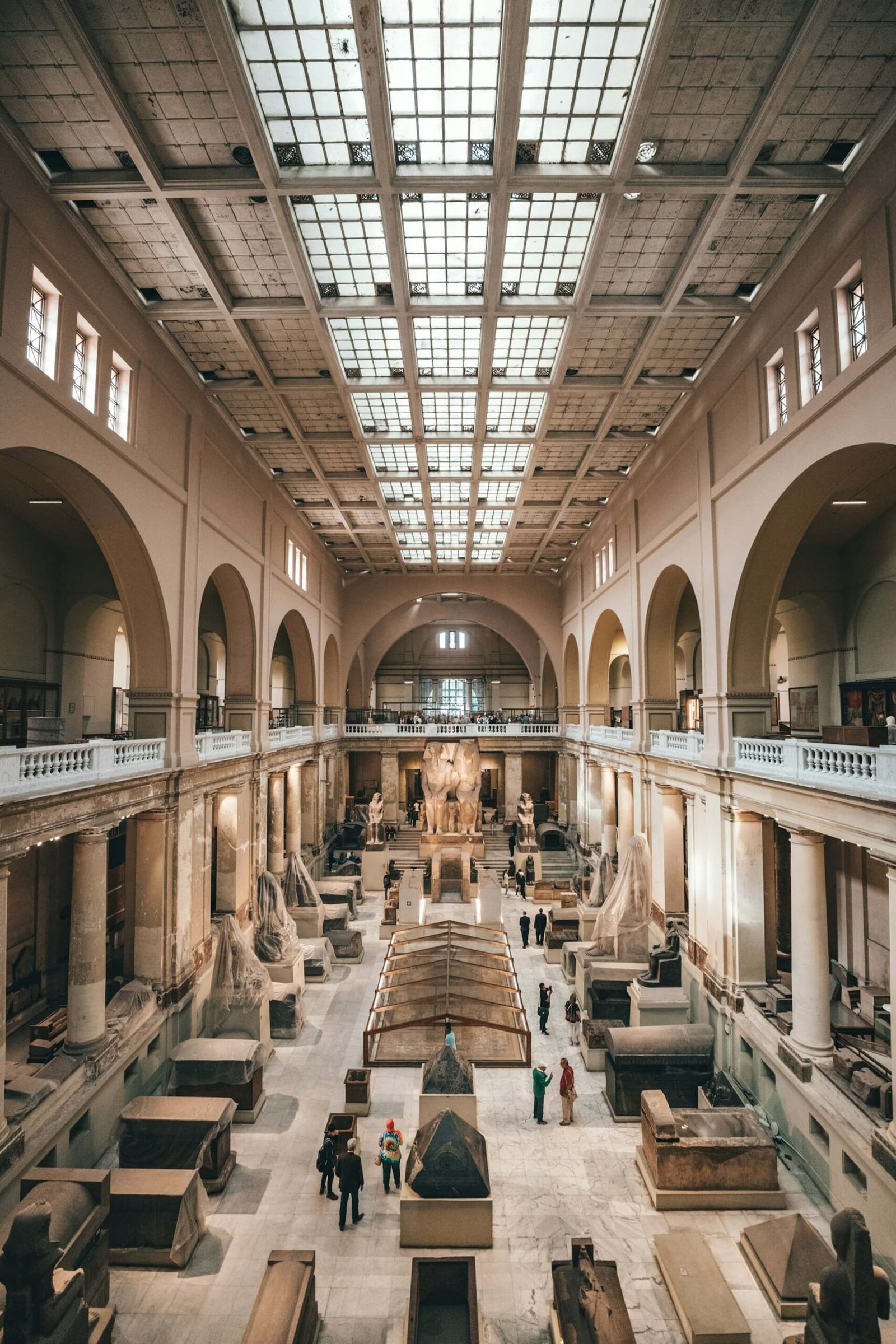
There’s also the Grand Egyptian Museum near the Pyramids of Giza, which is one of the largest and most impressive archaeological museums in the world.
It displays 5398 artefacts belonging to King Tutankhamun, and this is the first time the entire collection has been displayed in one place. The Tutankhamun collection alone spans 7500 square meters, with the museum as a whole covering a total area of 500,000 m2.
You can buy tickets to the Grand Egyptian Museum on GetYourGuide.
Tips for First-Time Travellers to Egypt
Before you pack your bags, here are some things you should know:
- Currency: The Egyptian pound is the official currency, but US dollars are accepted in many places. I always recommend using the local currency, as things are always a lot more expensive if you pay in USD or EUR.
- Safety: Like any major city, Cairo can feel sketchy sometimes. Stick to well-populated areas and be mindful of your belongings.
- Customs: Egyptians are incredibly friendly, but keep in mind that modest dress is recommended, especially when visiting religious sites. You should also be mindful of scammers, especially in cities like Cairo and resort towns.
The Best Time to Visit Egypt
When is the best time to visit Egypt?
Well that depends on what you want! The winter months (October to April) are ideal for sightseeing because the temperatures are much more comfortable. If you’re okay with heat, the summer months (June to September) can be less crowded, but they can also get scorching, especially in the desert.
Final Thoughts
Whether you’re wandering through ancient tombs, sailing the Nile, or haggling in the bazaars, Egypt is an assault on the senses, and not somewhere you can easily forget.
Because Egypt is such a popular holiday destination, you do have to make a conscious effort to visit famous sites at quieter times, and choose your tour operator wisely to avoid getting taken to tourist traps.
With all that being said, I hope that this guide has given you some inspiration for your trip to Egypt, and please don’t hesitate to leave any questions in the comments section below.
Until next time,
XOXO
If you like this article and would like to support my work, please click the button above to donate a couple of bucks and buy me a coffee. The revenue that I receive on this website is minimal, so support from my readers enables me to keep creating content that you (hopefully!) love to read.
Disclaimer: Travelling Jezebel contains affiliate links. If you make a purchase on a recommended site, I may make a small commission at no extra cost to you.
