
Barcelona is one of the easiest city breaks from the UK. Flights are short and frequent, the weather is kind for most of the year, and the food alone is reason enough to go.
The problem is that the most famous places to eat are also the most crowded, and the paella on Las Ramblas is rarely anyone’s best meal. (Paella is Valencian anyway. If you want rice in Barcelona, look for arròs negre or fideuà.)
To get the good stuff, you have to venture a little bit off the well-trodden tourist track and discover neighbourhood markets, bars that fill up at vermouth hour, and side streets where the menu is written on a chalkboard in Catalan.
In this blog post, I’m going to share a quick three-day plan for eating in Barcelona, without falling into any tourist traps.
Are you ready? Then let’s get into it.
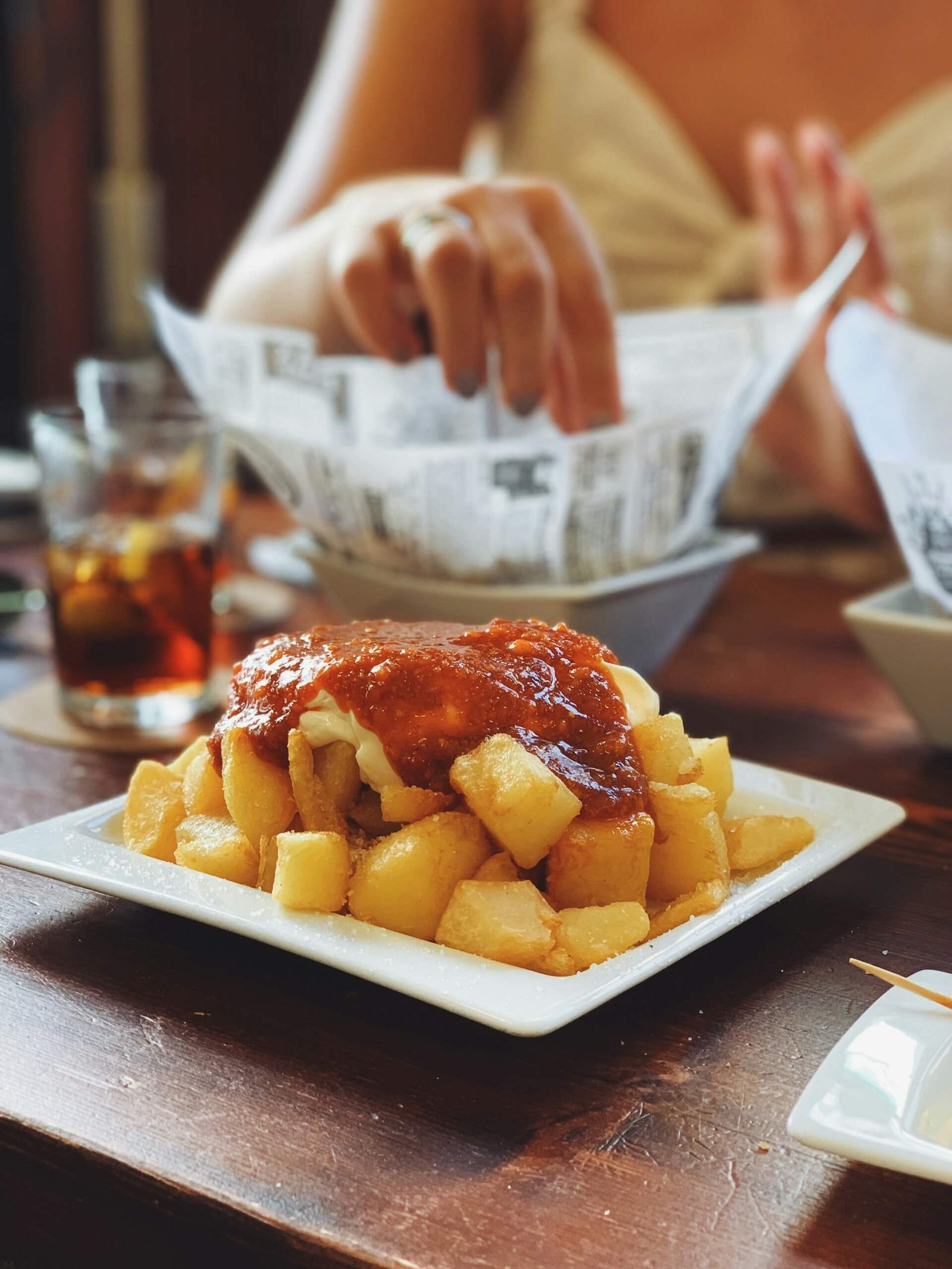
Getting to Barcelona from the airport
Barcelona-El Prat is about 12 km from the city centre. Land at lunchtime and you can realistically be eating by mid-afternoon, which is how every food trip should start!
Prices below are correct for October 2026, so double-check before you fly.
- Aerobús: The A1 runs from Terminal 1 and the A2 from Terminal 2. Both go straight to Plaça de Catalunya in about 35 minutes for around €8. It’s the easiest and most straightforward option for most people, and the easiest public transport option if you’re carrying luggage.
- R2 Nord train: This is the cheapest at around €5, and it takes 20 to 25 minutes to Sants or Passeig de Gràcia. The station is at Terminal 2 only, so from Terminal 1 you’ll need the free shuttle bus. The Rodalies network has had a rocky 2026 with suspensions and storm disruption, so check it’s running before you rely on it.
- L9 Sud metro: This serves both terminals but doesn’t reach the centre. You’ll need to change at Torrassa (L1) or Collblanc (L5), and you have to buy the €5.90 airport ticket because a standard T-casual won’t work.
- Taxi: Takes 25 to 40 minutes depending on traffic and usually costs €30 to €40, with a minimum fare of €21.
If you’re arriving late, travelling as a group or staying somewhere that’s awkward to reach by bus, it’s worth comparing all of the options before you fly. This guide on getting from Barcelona airport to the city centre sets out the times and costs of everything, including private transfers.
Day 1: Sant Antoni and vermouth hour
Start in Sant Antoni, a neighbourhood that has become one of the city’s best food neighbourhoods without losing its local feel. The market hall reopened in 2018 after a long renovation and it’s a proper working market, so it’s a good place to see what’s in season.
On Sundays the streets around it host a second-hand book and collectables market, which is perfect if you’re a bibliophile like me!
In the early evening, do as the locals do and stop for vermut. It’s sweet red vermouth over ice with an orange slice and an olive, usually served with crisps, olives or tinned seafood. Vermouth hour is traditionally a weekend pre-lunch ritual, but plenty of bars around Sant Antoni and the Eixample serve it all day, so you don’t have to schedule your trip around it.
For dinner, wander the side streets rather than the main avenues. Places with a short daily menu written on a board are usually a better bet than those with photos of every dish outside, and if there’s a laminated photo menu, keep walking!
Day 2: Markets, El Born and Gràcia
La Boqueria is beautiful but often packed. For a calmer market morning, head to Santa Caterina instead, with its wavy, multicoloured roof, on the edge of El Born.
Grab a coffee and something sweet, then wander through El Born’s narrow streets, which are full of small wine bars and tapas spots.
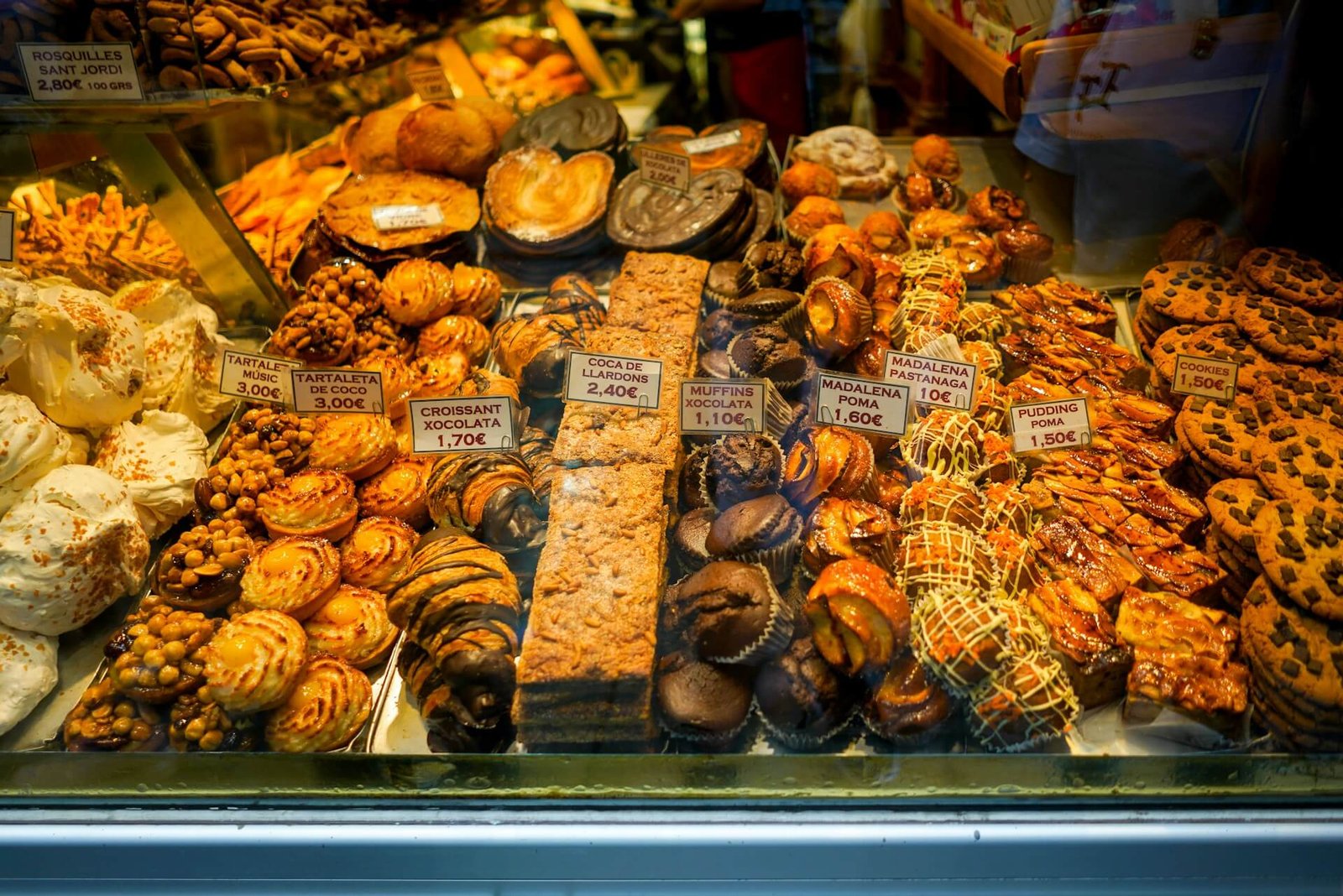
In the afternoon, head over to Gràcia. It was a separate town until 1897 and still feels like a village, with little squares where neighbours meet for a drink. It’s a lovely place to slow down, and the restaurants here cater mostly to residents rather than visitors.
Remember – dinner in Spain is late, so don’t arrive at 7pm expecting a busy room. Most locals never eat before 9, with 10pm being peak dining out time.
Day 3: Poble-sec and Barceloneta
Start at Barceloneta, the old fishermen’s quarter by the beach. Skip the touristy seafront restaurants and look for the small bars on the inner streets. This is where to try a bomba, a fried potato ball filled with meat and served with spicy sauce and aioli. It’s said to have been invented in this very neighbourhood!
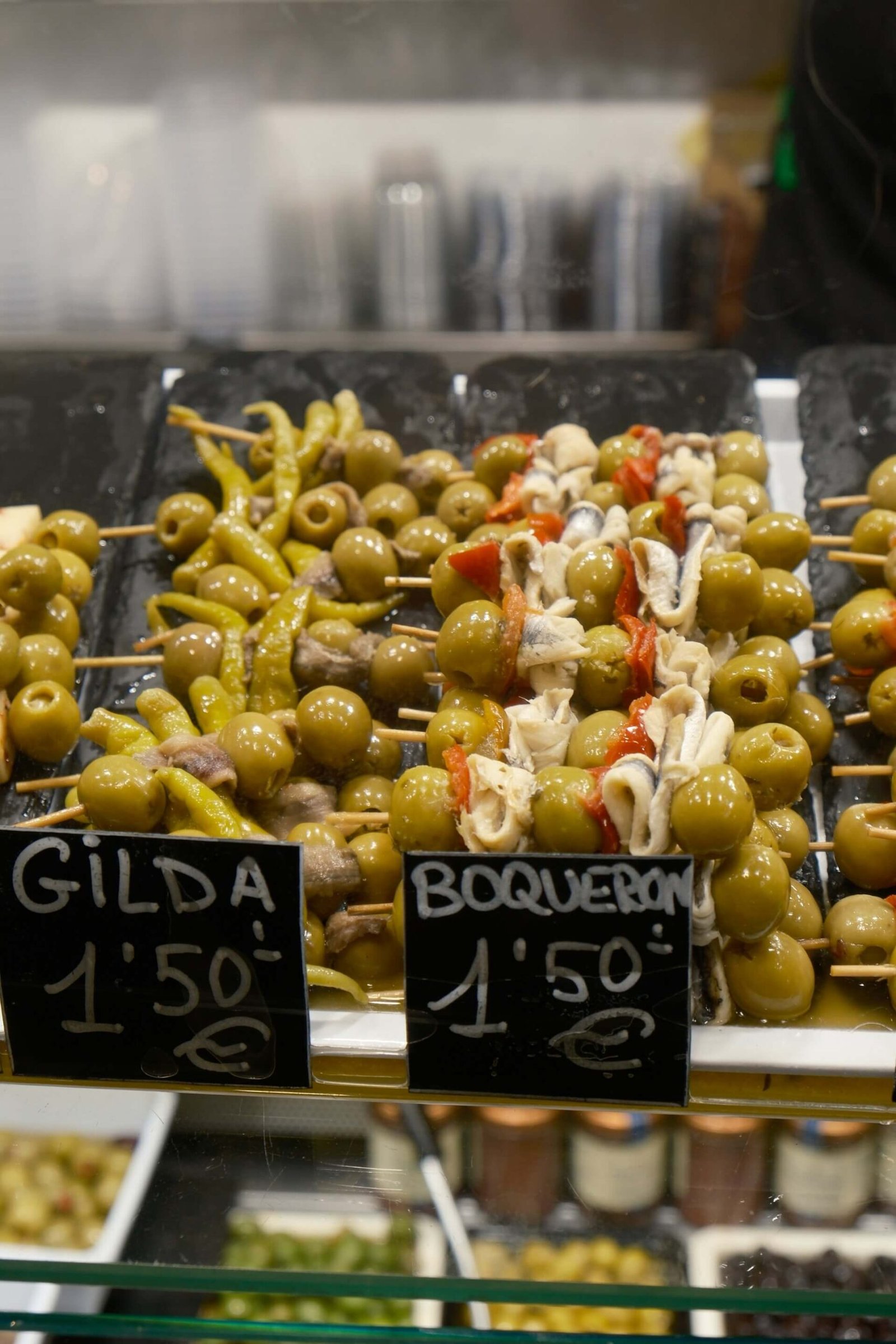
In the evening, head to Poble-sec, at the foot of Montjuïc, for Carrer de Blai, a pedestrian street lined with pintxos bars. Pintxos come from the Basque country and are small bites on bread, usually held together with a cocktail stick.
At many bars you help yourself and the staff count your sticks at the end to work out the bill.
Fair warning: Blai is no secret and it does get busy, but it’s cheap, fun, and a good way to try lots of things in one evening.
What to Eat in Barcelona: A Short List
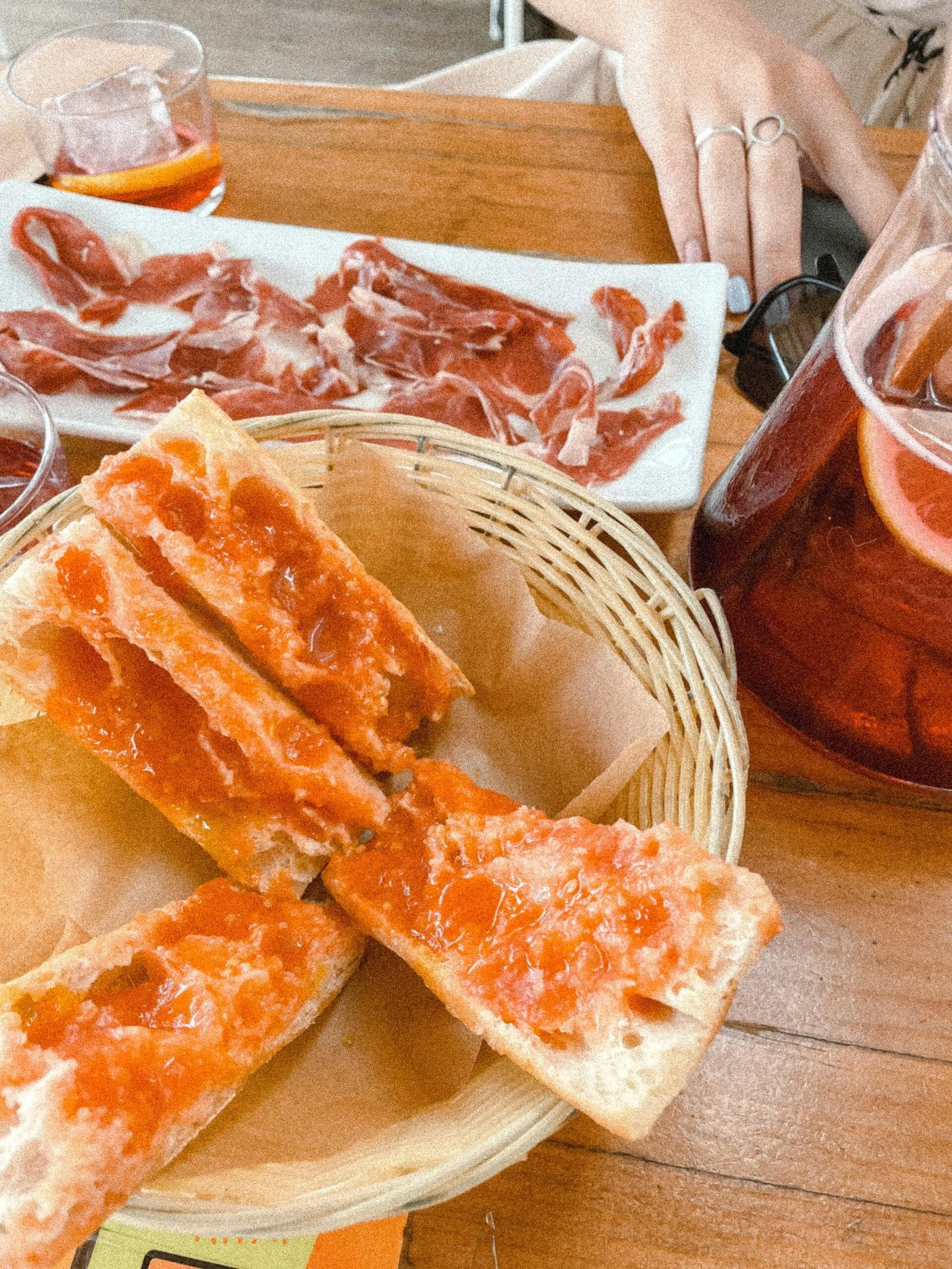
- Pa amb tomàquet. Bread rubbed with ripe tomato, olive oil and salt. It sounds simple and it is, but it comes with almost everything.
- Bombas. Barceloneta’s signature tapa, as mentioned above.
- Calçots. Long, sweet spring onions grilled over a fire and dipped in romesco sauce. They’re a late-winter and spring tradition, so look out for a calçotada if you visit around this time.
- Escalivada. Slow-roasted peppers, aubergine and onion, served cool with olive oil.
- Crema catalana. Catalonia’s answer to crème brûlée, flavoured with citrus and cinnamon.
- Cava. The local sparkling wine, made just outside the city, and very good value.
Tips for Eating Like a Local in Barcelona
- Make lunch your main meal. Many restaurants offer a menú del día on weekdays: a set lunch with a starter, main, dessert and often a drink, for far less than dinner would cost. When I lived in Spain, enjoying a menú del día was a regular indulgence!
- Book ahead for popular places, especially on Friday and Saturday nights.
- Don’t expect breakfast to be big. A coffee and a pastry or a slice of toast with tomato and olive oil is standard.
- Tipping is modest. Rounding up or leaving a few euros for good service is plenty. You don’t need to worry about tipping a certain percentage.
Final Thoughts
Barcelona is the kind of place that rewards anyone willing to walk a few streets past the obvious.
Do that, and a long weekend can easily turn into one of the best foodie trips you’ll take.
That’s all I’ve got for today, but if you’re planning a trip to Barcelona, you may find the articles below useful.
Until next time!
XOXO
If you like this article and would like to support my work, please click the button above to donate a couple of bucks and buy me a coffee. The revenue that I receive on this website is minimal, so support from my readers enables me to keep creating content that you (hopefully!) love to read.
Disclaimer: Travelling Jezebel contains affiliate links. If you make a purchase on a recommended site, I may make a small commission at no extra cost to you.


