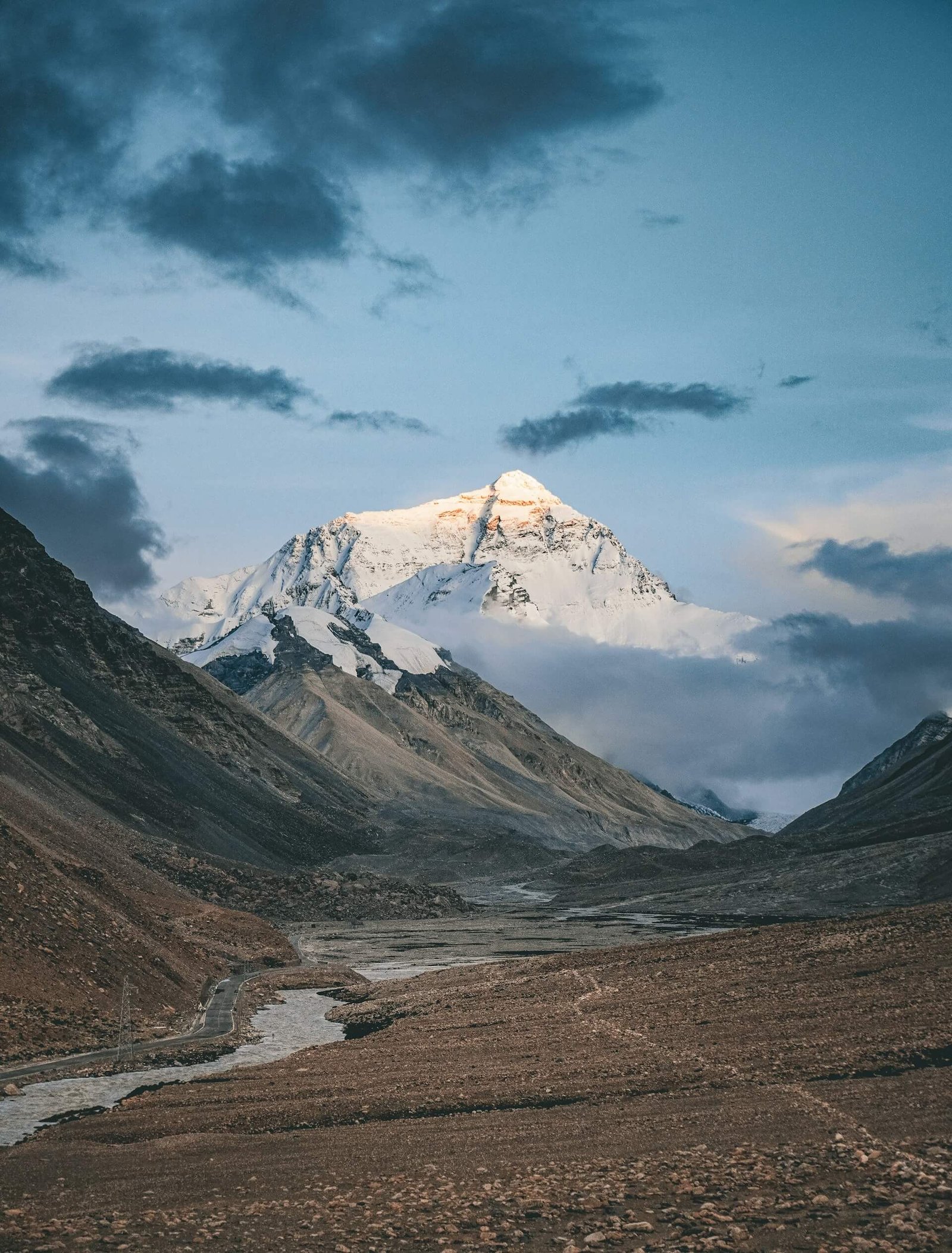
Most of us will only ever see Everest from a distance. A white smudge on the horizon, a photo we use as our desktop background, or a documentary we watch.
On 20 May 2026, an 18-year-old girl from Melbourne stood right on top of it.
The young woman’s name is Bianca Adler, and she didn’t just climb the world’s highest mountain. She became the youngest Australian ever to do it, all while still finishing school.
Her story comprises grit, heartbreak, and real respect for the mountain and the people who call it home.
Recently, I’ve been following the stories of the people who have attempted Mount Everest, from those who have summitted multiple times, to the heroic Sherpas guiding the way, as well as those who have unfortunately lost their lives on the mountain.
One of the people I’ve been cheering on from the side lines is Bianca Adler. Bianca’s story has fascinated me, and in this blog post, I want to share that story. I’ll take you through who Bianca is, the climb that nearly broke her, the one that made history, and even how you can follow part of her route yourself.
Are you ready? Then let’s get into it.
Bianca Adler: How an 18-Year-Old Became the Youngest Australian to Summit Everest
Who is Bianca Adler? The Teenager Rewriting Mountaineering Records
If you close you eyes and try to picture a record-breaking mountaineer, you probably don’t see someone who still has school exams to sit.
Enter, Bianca.
Bianca is a teenager from Melbourne who grew up partly in Annecy, a small town tucked into the French Alps, surrounded by huge peaks. Her parents are both avid climbers, having both summitted Mount Everest before Bianca’s birth, and this upbringing showed early.
Bianca was already chasing summits, and by her mid-teens, she’d racked up several big peak summits around the world.
From Mont Blanc at 12 to Aconcagua at 14
She climbed Mont Blanc at just 12 years old.
Just two years later, at 14, she summited Aconcagua in Argentina, the highest mountain in South America at 6,961 metres.
From there, she worked through dozens of peaks in the Alps and in Nepal, slowly building the kind of altitude experience she’d need for Everest.
Bianca has said in interviews that her love of climbing wasn’t pushed on her by her parents, and that she was the one asking her dad to take her on bigger, harder climbs rather than the other way around.
She also kept a blog through the whole Everest expedition, promising readers she’d share ‘the highs, the lows, and everything in between,’ as well as social media pages documenting the journey (Bianca’s accounts were kept updated by her mum when she was actually doing the climb).
Becoming the Youngest Female to Summit Manaslu and Ama Dablam
In 2024, Biamca stepped it up a notch. At 16, she summited Manaslu, the eighth-highest mountain in the world at 8,163 metres, and became the youngest female climber to do it, earning herself a Guinness World Record.
She also holds the youngest-female record on Ama Dablam, a beautiful and technical 6,812-metre peak in the Everest region.
By the time thoughts of Everest came into view, Bianca wasn’t a beginner with a big dream. She had already built an unusually strong high-altitude climbing résumé for someone her age.
Bianca Adler’s First Everest Attempt
Here’s the part of the story I find the most difficult, and also the part I respect the most.
In 2025, Bianca made her first attempt on Everest with her father, Paul. She arrived in Nepal and spent a month acclimatising on different mountains, before pushing her way up through the camps.
Her father made it to Camp 2 with her before he was unable to continue, and so Bianca went on without him. Then, around 8,450 metres, just 400 metres below the summit, she turned around.
Bad weather, strong winds, and the early signs of frostbite made the final push too dangerous.
So close to the top, with the goal right there, she chose to go back down. Both Bianca and her father were diagnosed with high-altitude pulmonary edema (HAPE) and dehydration.
Why Turning Back Was the Bravest Decision
It’s easy to call a summit brave but in my opinion, walking away is even braver.
The Everest ‘death zone’ above 8,000 metres is exactly what it sounds like – a place where the air holds too little oxygen to keep the body working properly for long. At such high altitudes, the human body literally starts shutting down.
Hundreds of people have died on Everest, pushing for a peak they could see but couldn’t safely reach. In some cases, recovering their bodies has been too dangerous, and they remain on the mountain to this day.
Bianca has been open about how much her decision to turn back hurt, but she’s also been clear that she would always choose her life over a summit.
That’s a level of maturity and sound judgement that plenty of older climbers never manage, to their detriment.
The 2026 Everest Summit: Bianca Adler Reaches the Top of the World
A year later after her first attempt, Bianca was back.
On 20 May 2026, during Nepal’s busy spring climbing season, Bianca set out from Camp 4 and climbed through the night.
She knew that this would be the hardest and most dangerous day of her life, but she didn’t back down. As she put it in her climb diary, ‘I was going to go and give this summit night my best shot, so I might as well enjoy it. And I did!‘
Around 11 hours later, she stood on the 8,849-metre summit of Mount Everest, known as Sagarmatha in Nepal. It was her second time on the mountain and her first time on top. It was still pitch black, but Bianca was adamant that she was choosing to prioritise safety and beat the crowds rather than chasing the perfect view.
She later wrote that while standing on top of the mountain, she thought of all her training, everyone supporting her, and ‘11-year-old Bianca who knew she’d climb Everest one day.’
However, there wasn’t time to linger. Bianca knew that she didn’t have time (or oxygen) on her side, and that coming down from Everest is the hardest part.
The relief came later, once Bianca had made it safely back through the Khumbu Icefall and reunited with her mother, Fiona, who was tracking every step from base camp (Bianca’s father was waiting at Camp 2).
Through the Khumbu Icefall and the Death Zone
Reaching the summit of Everest means traversing some of the most dangerous ground on Earth.
The Khumbu Icefall, near the bottom of the climb, is a shifting maze of giant ice blocks and deep cracks that can move without warning. Higher up, the death zone tests the body in ways no amount of training fully prepares you for.
Bianca moved through all of it carefully, and her experience on Manaslu and Ama Dablam clearly paid off. She was also honest with her followers about how confronting the experience was.
High on the summit ridge, she passed the body of a climber who hadn’t made it down, and she wrote that it was ‘a real reminder of how dangerous the mountain is.’
The Sherpa Guides Who Made it Possible
I think it matters to name the people who climb alongside people like Bianca.
Bianca summited with Nepali guides Pemba Chhiring Sherpa and Ngudu Sherpa.
Sherpa guides do the hardest, most dangerous work on Everest – fixing ropes, carrying loads, and keeping climbers alive in places where a small mistake can be fatal. For years, they were paid very little for it, but that’s slowly changing, with more of the mountain’s guiding now run by Nepalis, and more respect and pay going to the people who make every summit possible.
How Bianca Adler Trained for Everest
A summit like this isn’t luck.
Bianca spent around two years training for Everest, and her routine was relentless (as well as all of her previous mountaineering experience).
Bianca trained five to six days a week, mixing long cardio sessions on the Stairmaster and spin bike with climbing-specific strength work.
On top of that, she and her dad would head into the remote Australian Alps for six-to-eight-day hikes, covering 25 to 30 kilometres a day while rationing food and water. One of their toughest training routes was a 100-kilometre loop with thousands of metres of climbing, squeezed into just over three days because of school.
According to Bianca, the point of this isn’t only physical. Pushing through that much discomfort again and again is what set her up mentally for attempting Everest.
Follow in Bianca’s Footsteps: The Everest Base Camp Trek
You don’t have to summit Everest to stand in its world.
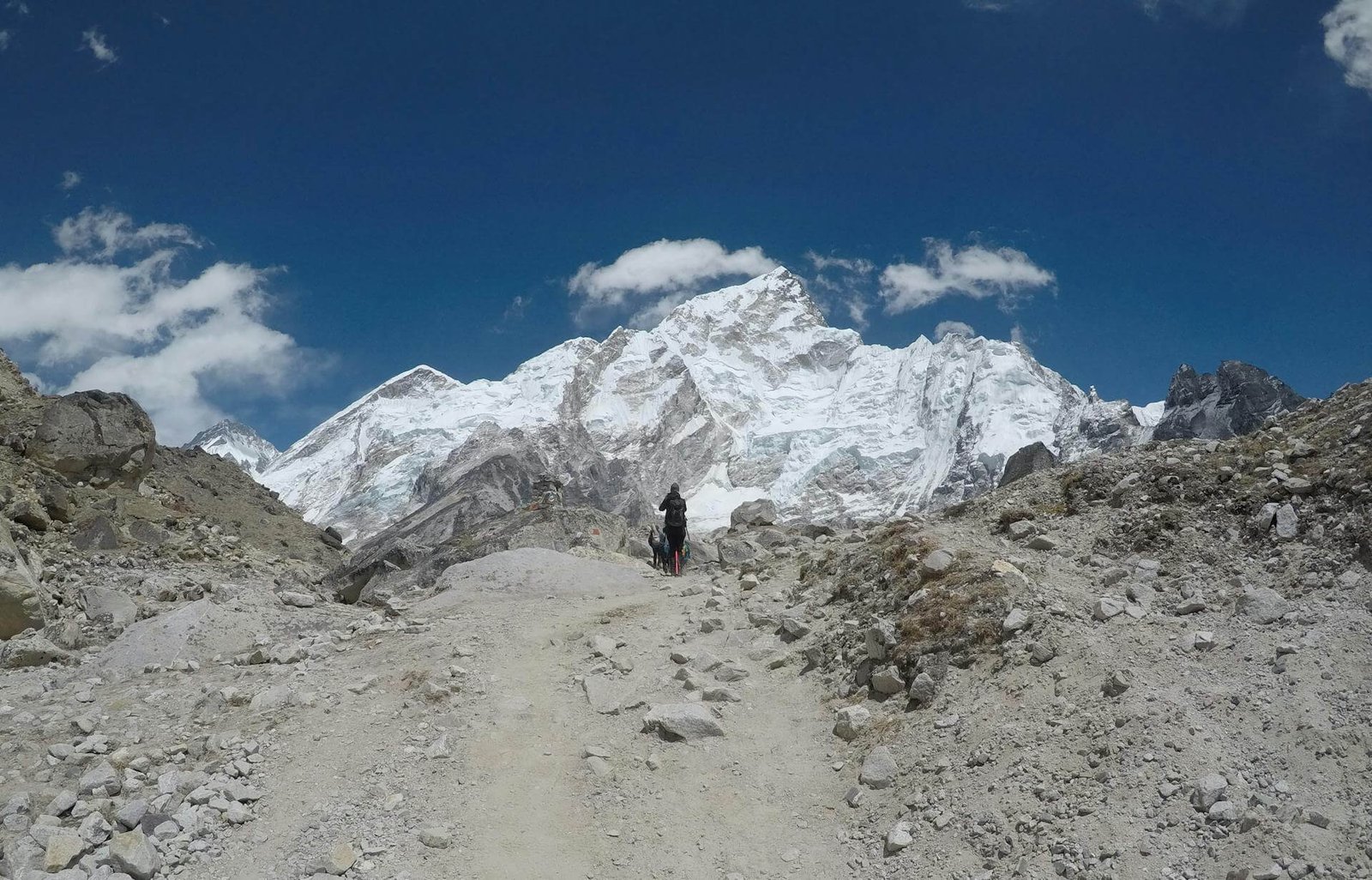
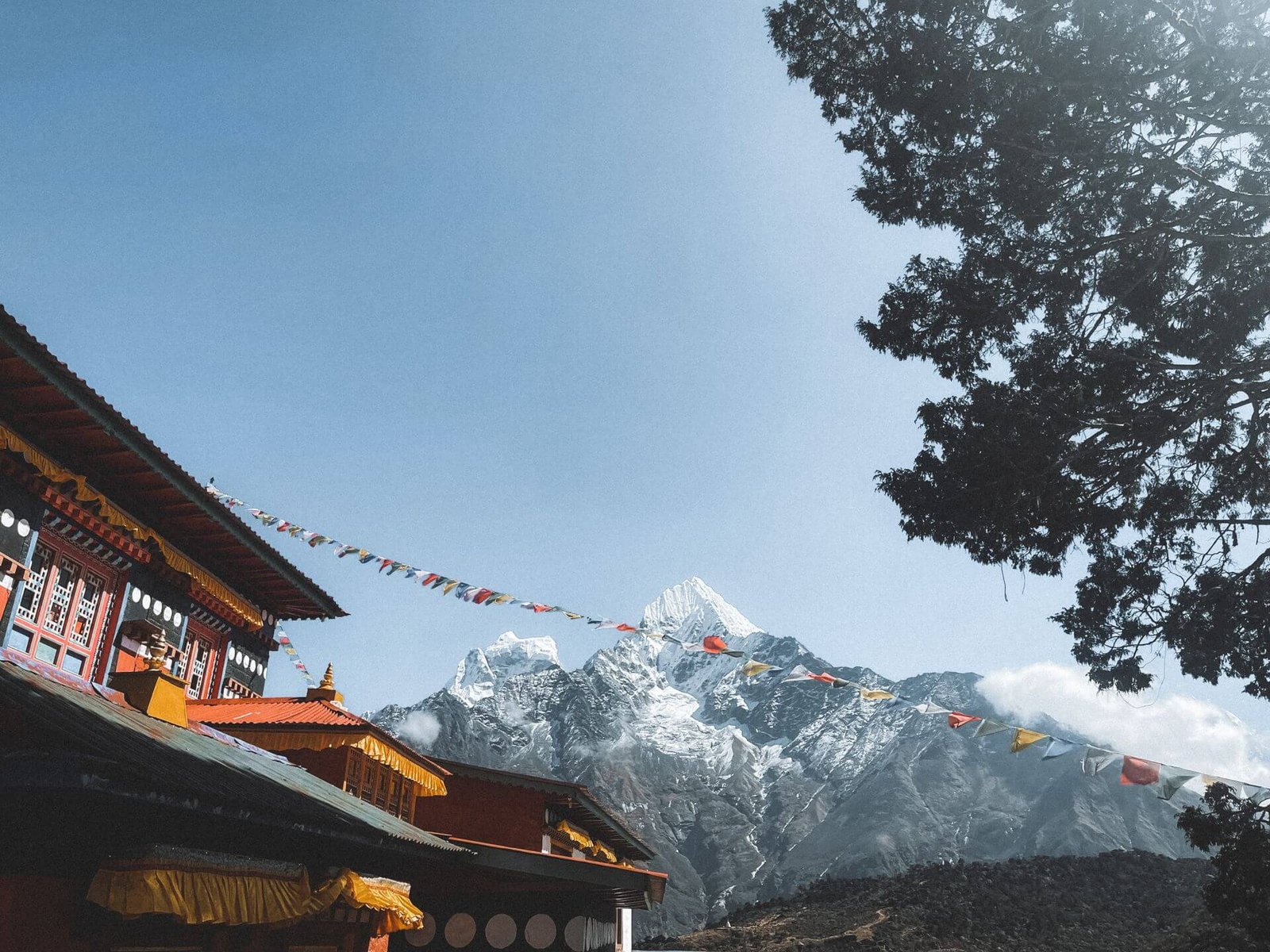
Every single person who climbs Everest, Bianca included, starts the same way: by walking through the Khumbu Valley to Everest Base Camp. That trail is open to ordinary, fit walkers, with no ropes, no death zone, and no record attempt required. It’s one of the greatest walks of the world, and it takes you right to the foot of the mountain Bianca stood on top of.
During the walk, you pass through Namche Bazaar, the lively Sherpa town that acts as the gateway to the high Himalaya, sleep in teahouses run by local families, and wake up to views that are out of this world.
What the Everest Base Camp Trek Involves
The classic trek to Everest Base Camp usually takes around 12 to 14 days round trip, including time to acclimatise so your body can adjust to the thinner air. You’ll reach Base Camp at about 5,364 metres, and most routes also climb the nearby viewpoint of Kala Patthar at 5,545 metres for the best look at Everest itself.
You don’t need climbing skills for this, just decent fitness, a sense of adventure, and a good local guiding team to walk with, the same kind of Sherpa expertise that gets summiteers up the mountain. If you’re after a taste of Bianca’s journey without reaching the same dizzying heights, this is the way to do it.
Climbing Everest Responsibly: Bianca’s Leave-No-Trace Message
One of the reasons I have so much respect for Bianca is that she emphasises the responsible side of climbing Everest, which is super important, especially as she has such a huge online following.
Bianca has spoken openly about the unglamorous reality of staying clean on the mountain, using ‘wag bags’ to carry human waste and packing every bit of her rubbish back down.
Her rule is simple: leave the mountain better than you found it, which matters now more than ever.
Everest has a serious waste problem, with tonnes of rubbish left on its slopes every season. Sherpas do what they can to help, but the real fix is climbers taking responsibility for what they bring in.
The same applies on the Base Camp trail: pack out what you pack in, respect local customs, and support the Sherpa communities whose home this is.
FAQ
How old was Bianca Adler when she summited Everest?
Bianca Adler was 18 years old when she reached the summit of Mount Everest on 20 May 2026, making her the youngest Australian to do so.
Is Bianca Adler the youngest person to climb Everest?
No. She is reported as the youngest Australian to summit Everest. She also holds the youngest-female world records on Manaslu and Ama Dablam, and a Guinness World Record for Manaslu.
Did Bianca Adler summit Everest on her first attempt?
No, Bianca Adler did not summit Everest on her first attempt. She turned back in 2025 about 400 metres below the summit due to dangerous weather and frostbite risk, then successfully summited in 2026.
Can beginners do the Everest Base Camp trek?
Yes, with preparation. You don’t need any technical climbing experience to reach Everest Base Camp, but you do need good general fitness and time to acclimatise. Walking with an experienced local guiding team makes it safer and far more rewarding.
Final Thoughts
I think what I admire most about Bianca isn’t that she stood on top of Everest.
It’s that she turned around when it wasn’t safe, came back a year later, and tried again. In a world obsessed with big achievements and dramatic success stories, there’s something refreshing about someone who understands that good judgement matters just as much as determination.
Most of us are never going to climb Everest (especially me!), and that’s fine.
Bianca’s story is a reminder that whether your goal is trekking to Base Camp, tackling a mountain closer to home, or simply pushing yourself to do something that scares you a little, setbacks are going to happen, and when they do, it’s okay to turn back.
That’s all for today’s post, but as always, thanks for reading and until next time!
XOXO
If you like this article and would like to support my work, please click the button above to donate a couple of bucks and buy me a coffee. The revenue that I receive on this website is minimal, so support from my readers enables me to keep creating content that you (hopefully!) love to read.
Disclaimer: Travelling Jezebel contains affiliate links. If you make a purchase on a recommended site, I may make a small commission at no extra cost to you.