Cyprus isn’t the first place you’d think to look for one of Europe’s newest astronomy attractions, but tucked up high in the Troodos Mountains, over 1200 metres above sea level, sits a striking, spaceship-shaped observatory that’s quickly become one of the most unique things to do in Cyprus.
I visited Troodos Observatory in November 2025, a few months after it opened, and in this post I’m going to share my thoughts about this Cyprus observatory and whether I think it’s worth a place on your Cyprus itinerary.
Are you ready? Then let’s get into it.
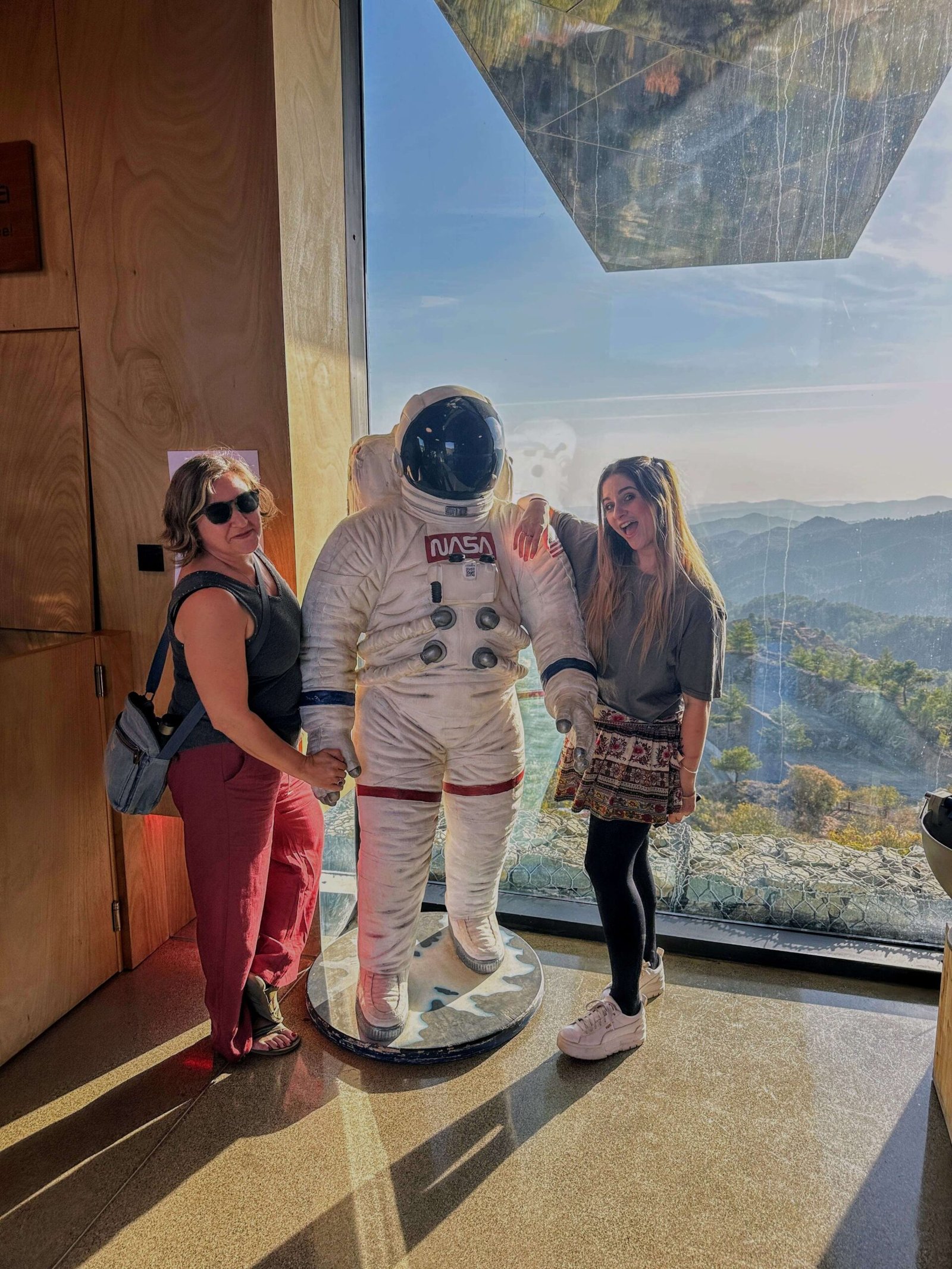
Troodos Observatory Cyprus – Is it Worth Visiting?
Before we get into my own visit, it’s worth knowing just how new this place is. This isn’t some long-standing scientific institution; it’s a purpose-built, publicly funded attraction that only opened its doors in May 2025, making it one of the newest additions to Cyprus’s tourism scene.
Here’s how it came to exist.
The History of Troodos Observatory
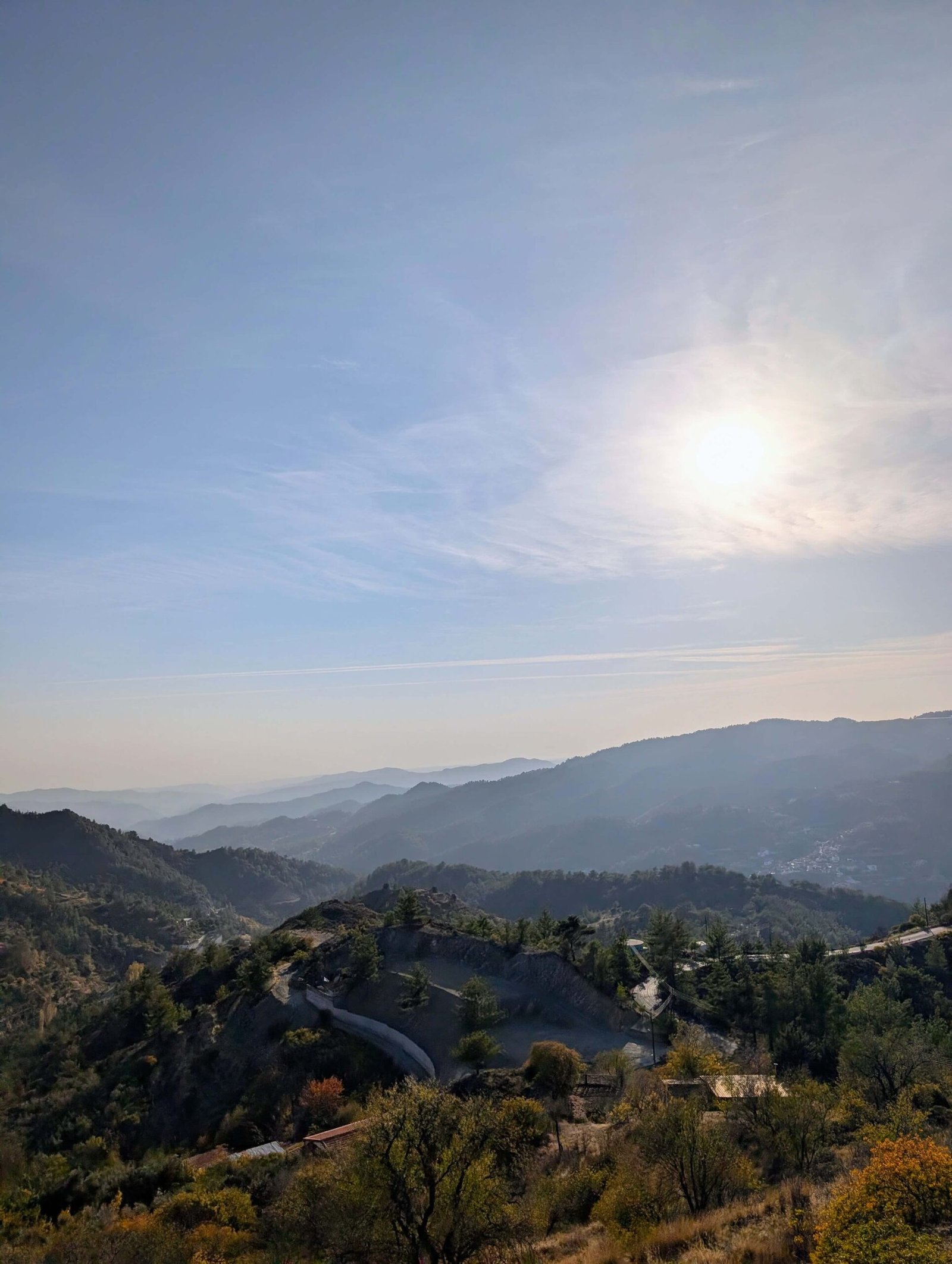
Troodos Observatory sits in Agridia, near the villages of Agros, Chandria, and Kyperounta, on a hillside chosen specifically for its low light pollution, low humidity, and more than 200 cloudless nights a year, which are obviously excellent conditions for stargazing.
Construction began back in 2021, as part of a wider Cypriot government strategy to develop the Troodos mountain communities, with the total project cost coming in at around €1.6 to €1.77 million and funding from both the Cypriot government and the EU. It officially opened to the public on 19 May 2025, with Cyprus’s president in attendance for the ceremony.
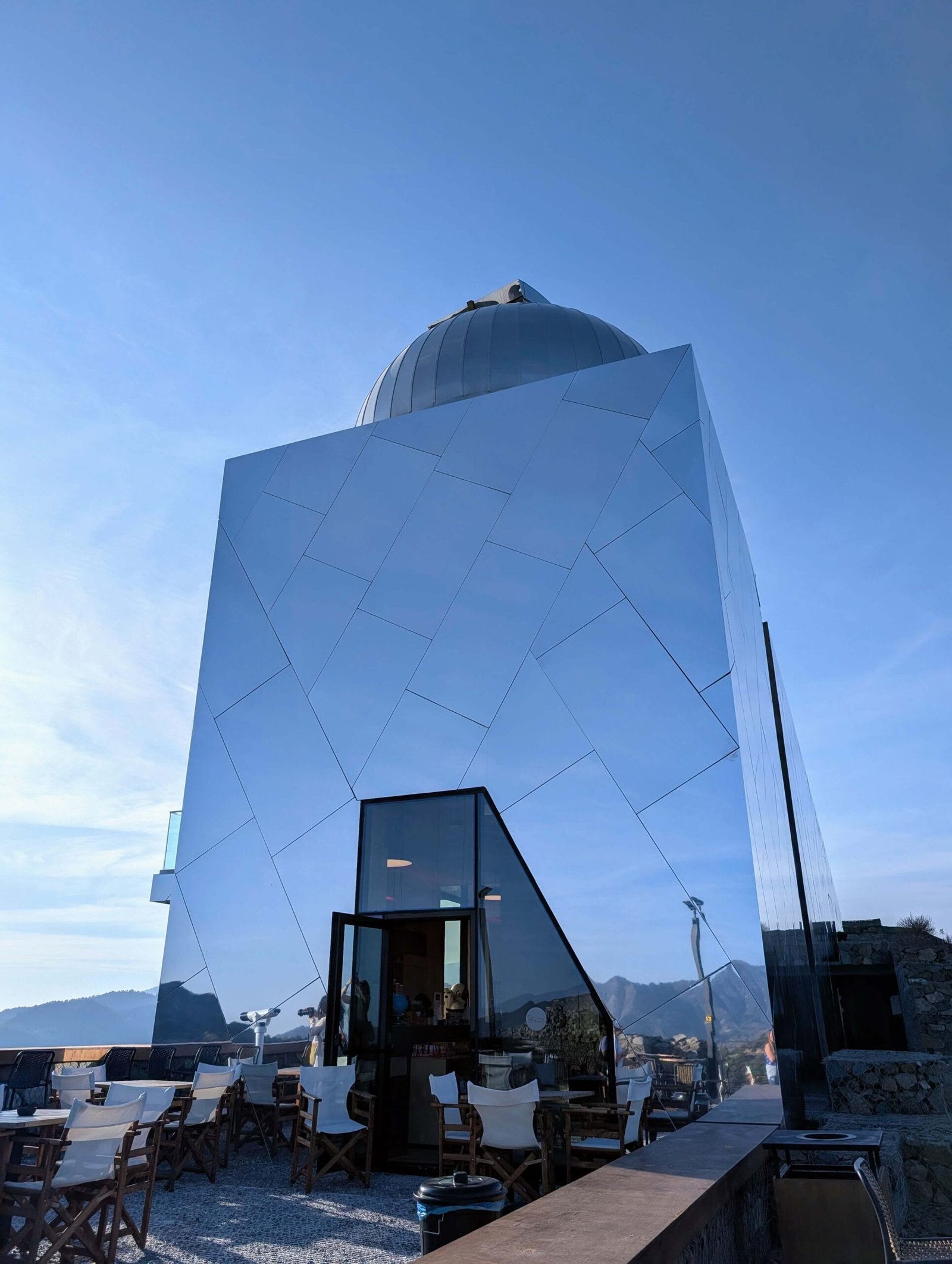
Designed by architect siblings Elena, Nicodemos, and Cassandra Tsolakis, the building’s futuristic, mirrored-panel exterior has earned it the nickname the ‘Spaceship Observatory,’ and it’s easy to see why: the architects themselves have admitted that while a spacecraft-like look wasn’t the explicit brief, it’s very much what came out of the design process.
Half of the building is actually embedded into the hillside, which helps keep the interior naturally cool through Cyprus’s brutal summer heat, and inside, the lighting is kept in low reds, blues, and purples throughout to protect visitors’ night vision ahead of stargazing sessions.
The Telescopes
Troodos Observatory is built around two main telescopes, each with its own dedicated space.
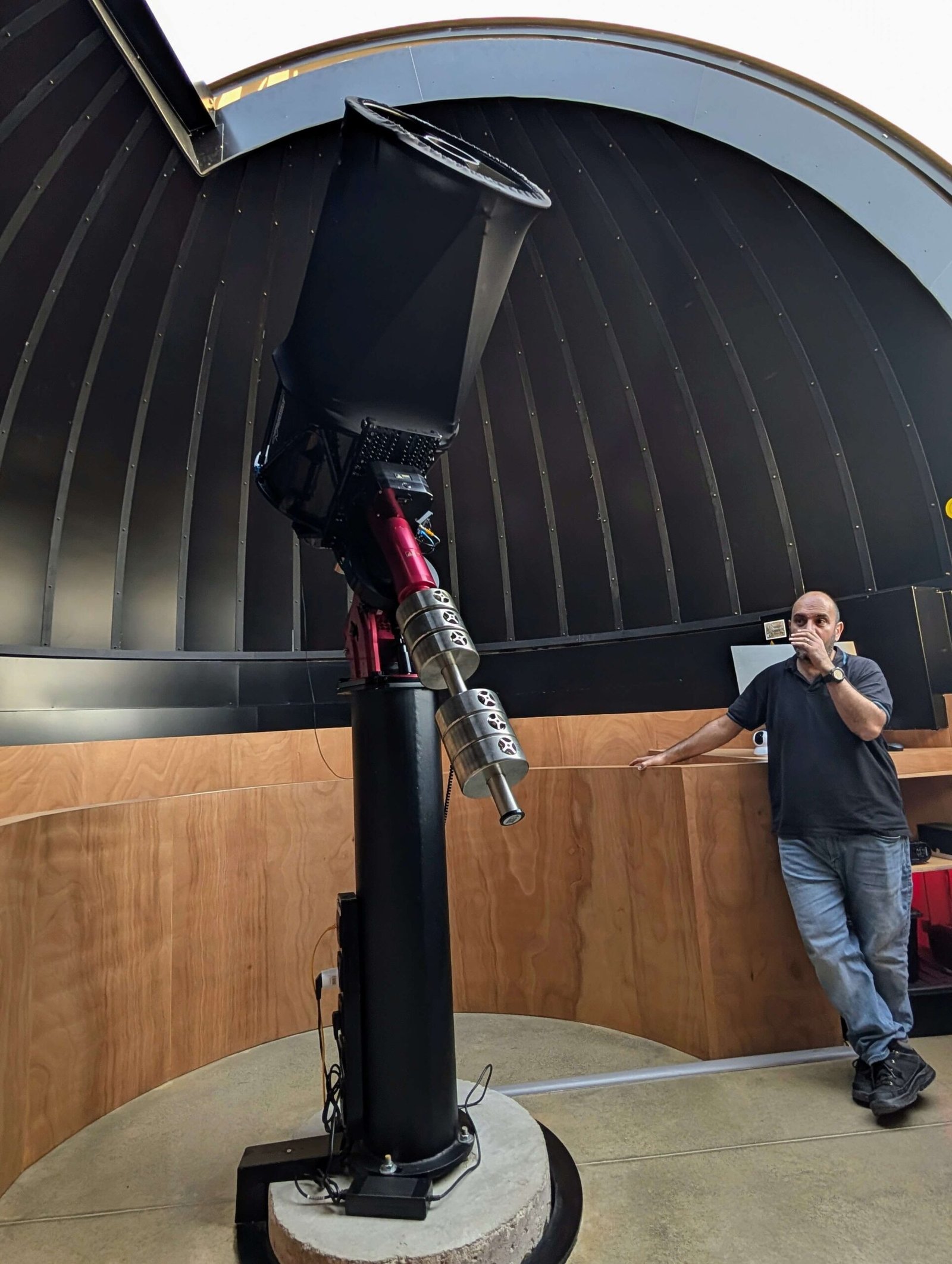
The headline attraction is a 20-inch reflector telescope, used for night-time stargazing, housed inside a 5.6-metre dome that rotates a full 360 degrees and opens electronically. It’s absolutely HUGE in person, and it’s currently the largest publicly accessible telescope in Cyprus. It’s also robotic, meaning it can automatically track and follow celestial objects as they move across the sky.
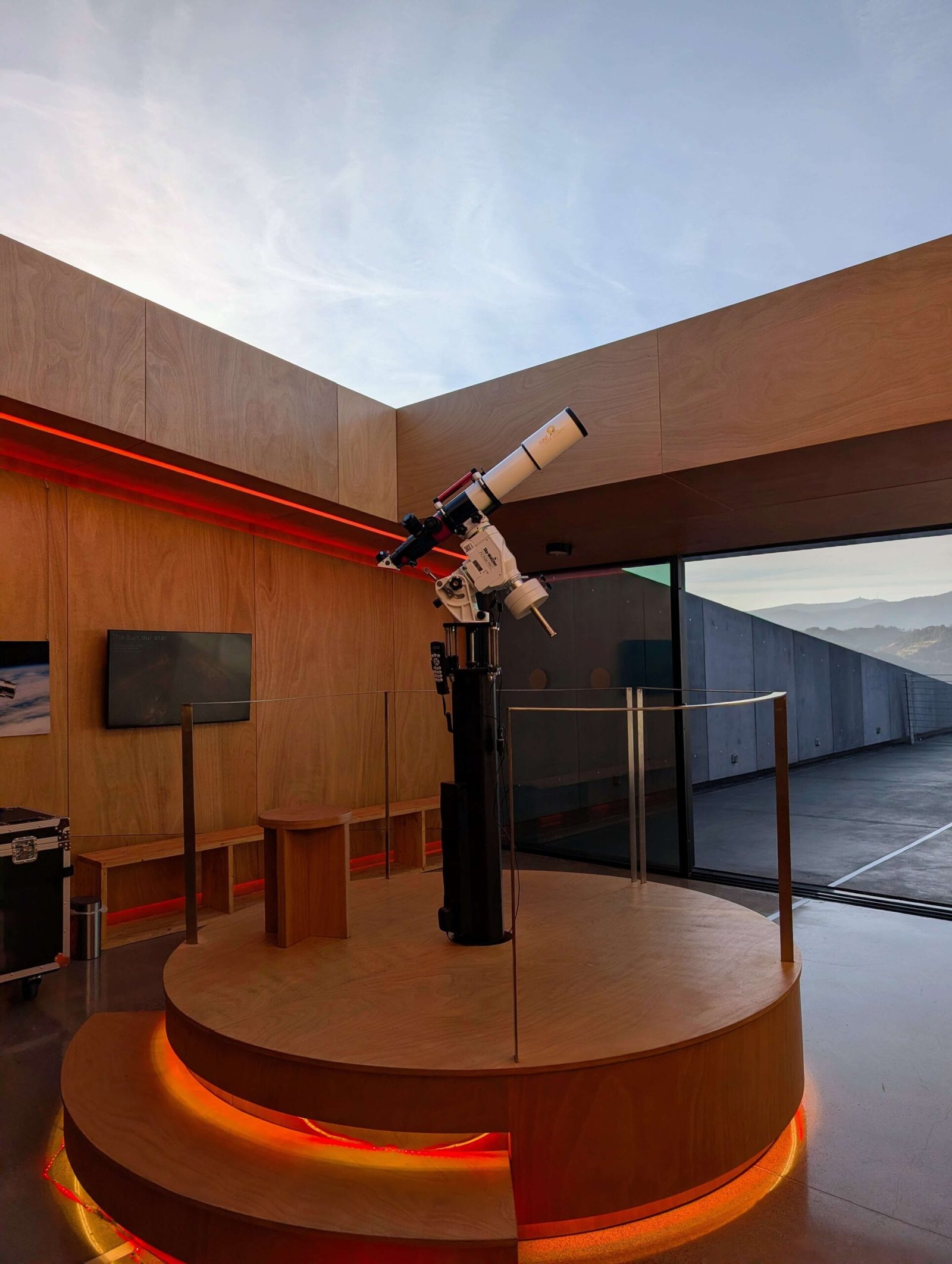
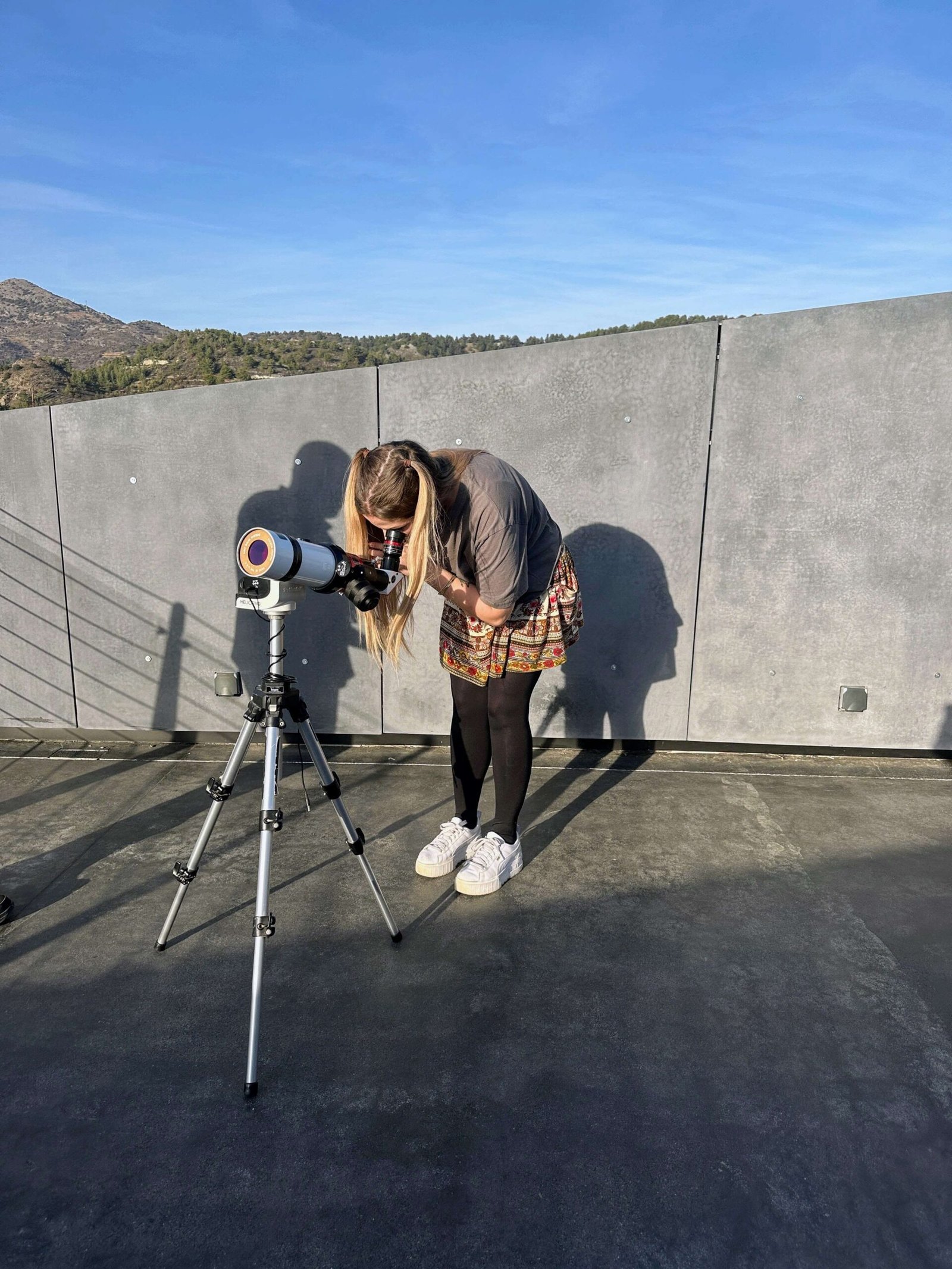
The second telescope is a Hydrogen-alpha solar telescope, often referred to on-site as the helioscope, housed under its own 4×4 metre hydraulic roll-off roof (manufactured in Italy, like the main dome), purely for observing the sun during daytime visits.
Both telescopes are mounted on columns that are structurally independent from the rest of the building, to keep even the slightest vibrations from affecting what you’re looking at. Even though I know nothing about this sort of thing, it’s this attention to detail that I think is really special, and it shows how much thought and care has gone into the project.
Inside Troodos Observatory: The Cosmotheatre and Astromarina
Beyond the telescopes themselves, the observatory has a couple of other spaces worth knowing about.
The Cosmotheatre is a small screening room where visits typically begin, showing an educational film covering our solar system and recent astronomical discoveries, a good primer before getting hands-on with the equipment.
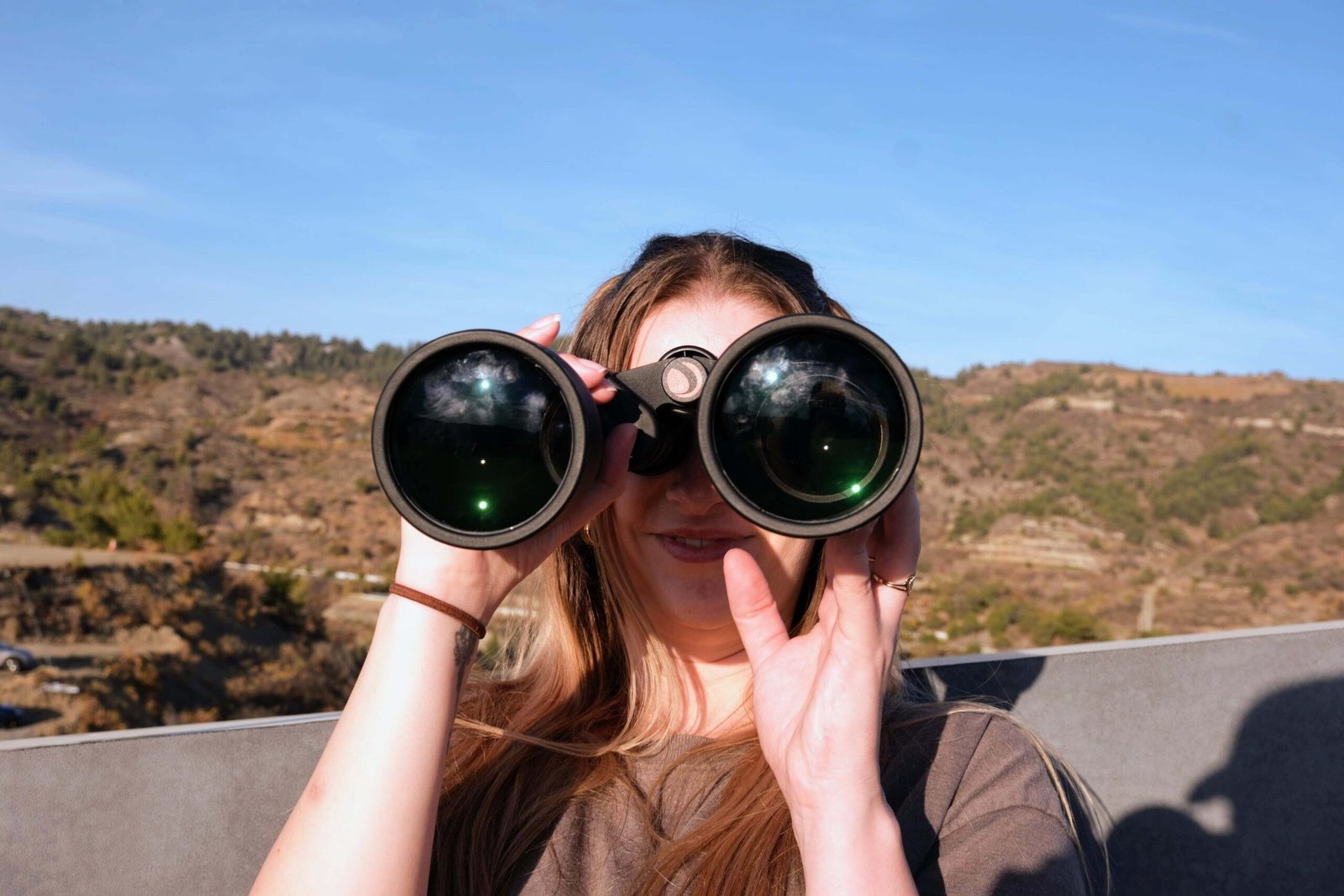
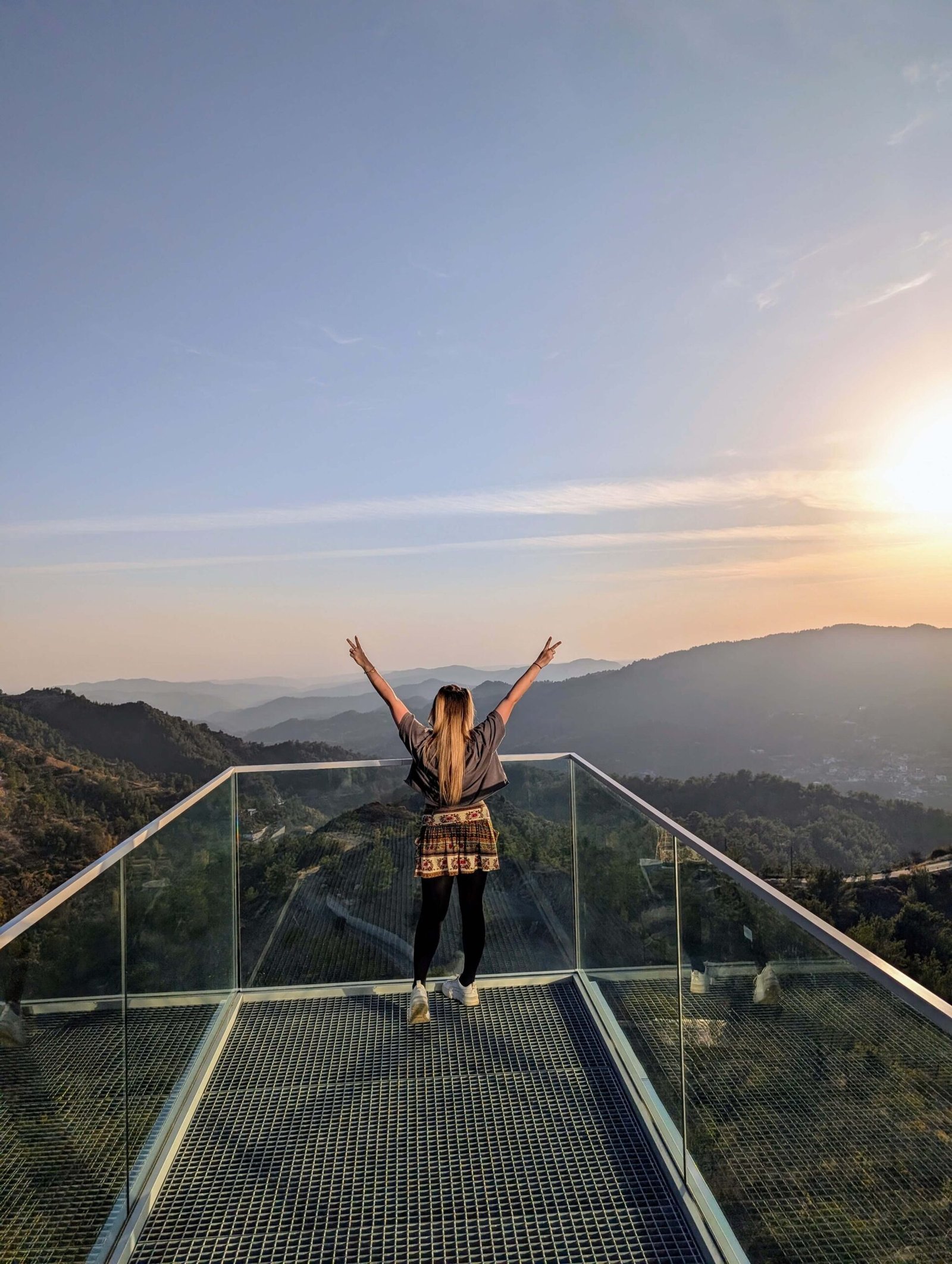
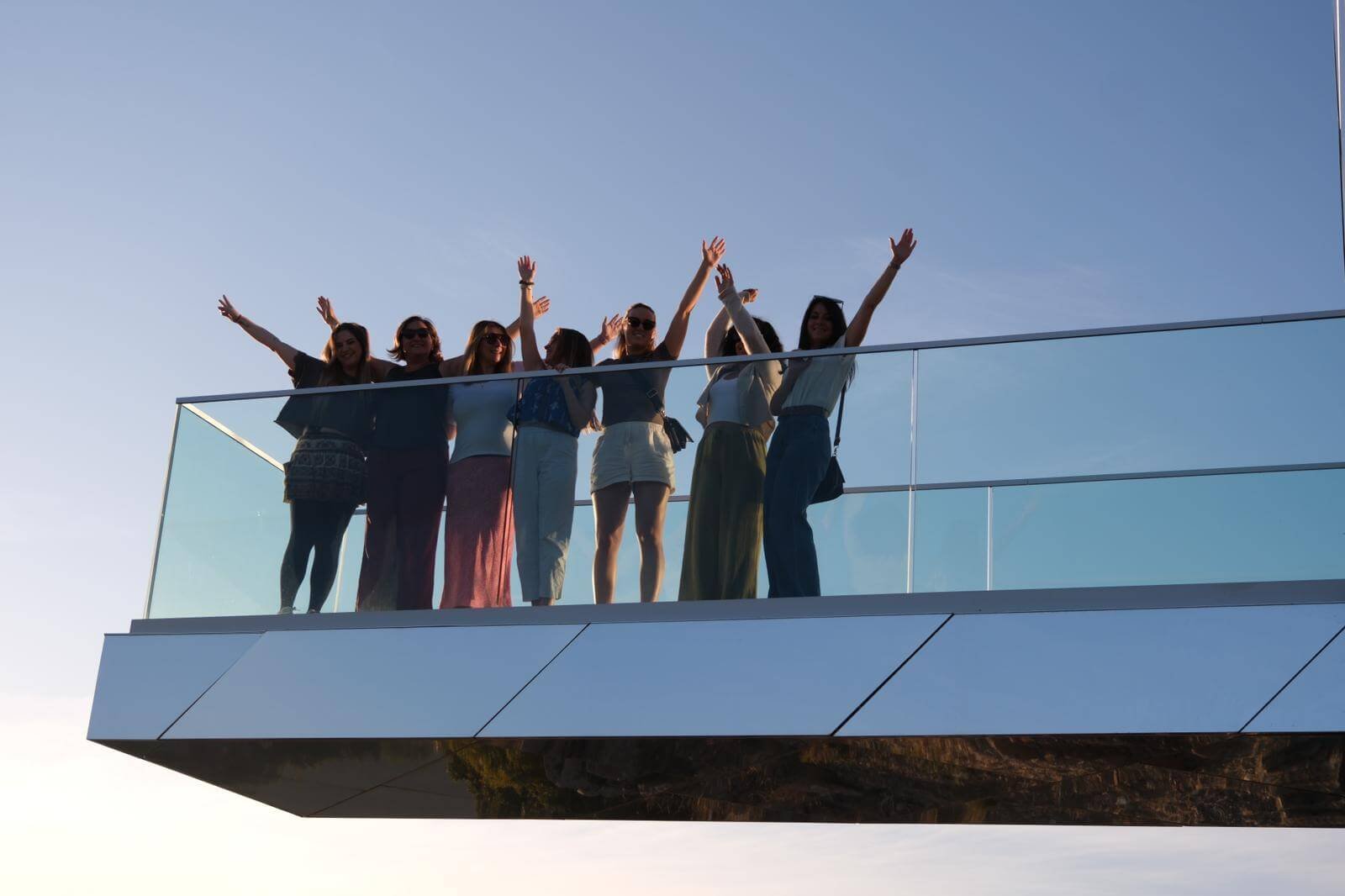
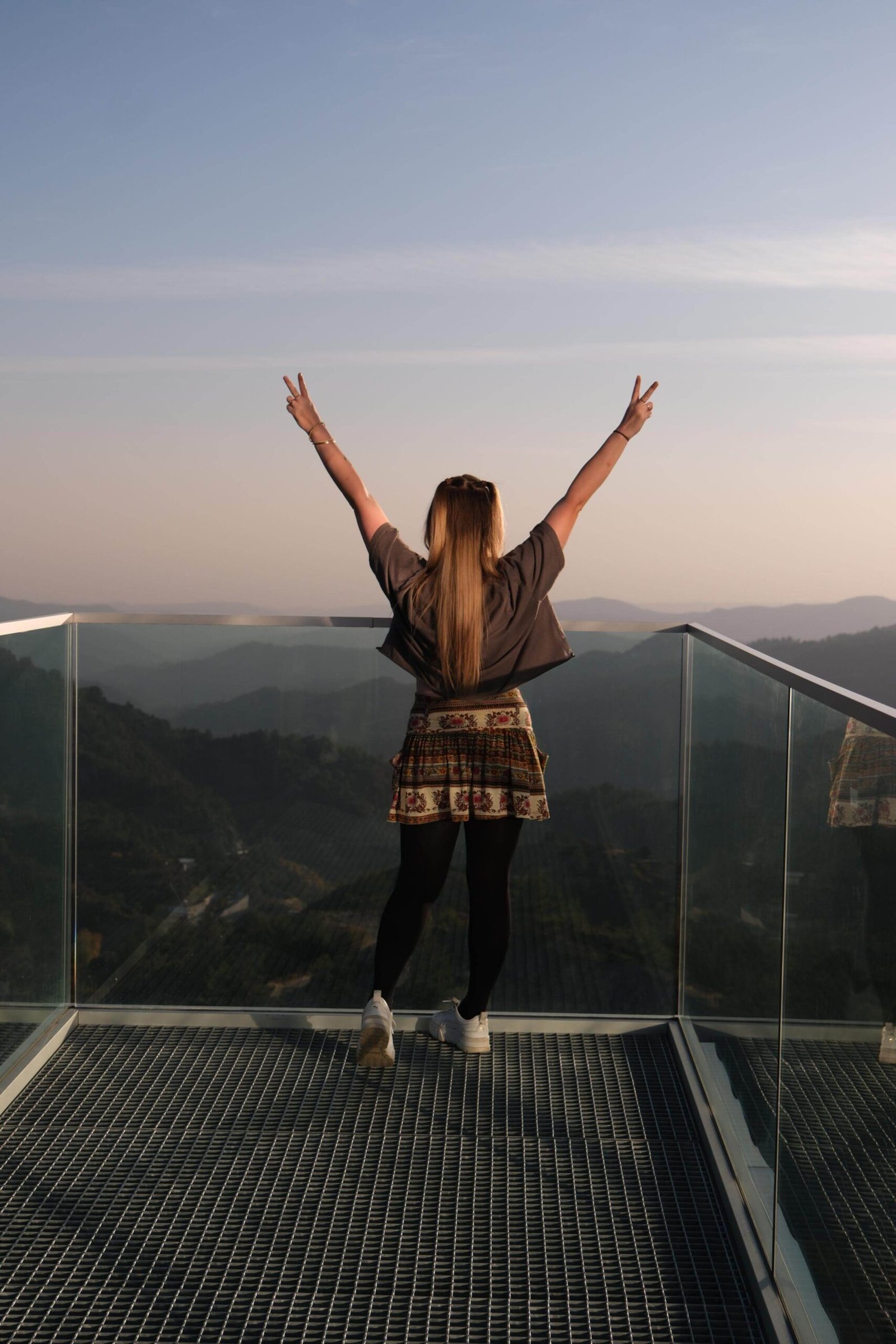
Outside, the Astromarina is an open-air viewing platform with stunning panoramic views across the surrounding Troodos mountains.
It’s designed so amateur astronomers can bring their own telescopes and binoculars along and plug straight into the building’s power supply, and it doubles as one of the best photo spots on site regardless of what’s in the sky that day.
My Visit: The Daytime Experience
I visited Troodos Observatory during the day, so stargazing itself wasn’t on the cards, but there’s still an interesting programme built specifically around daytime visits.
The absolute highlight for me was our guide. He was a proper astronomy nerd in the best possible sense, the kind of enthusiastic, deeply knowledgeable guide who makes you care about a subject you’d never normally think twice about, and it showed in every answer he gave.
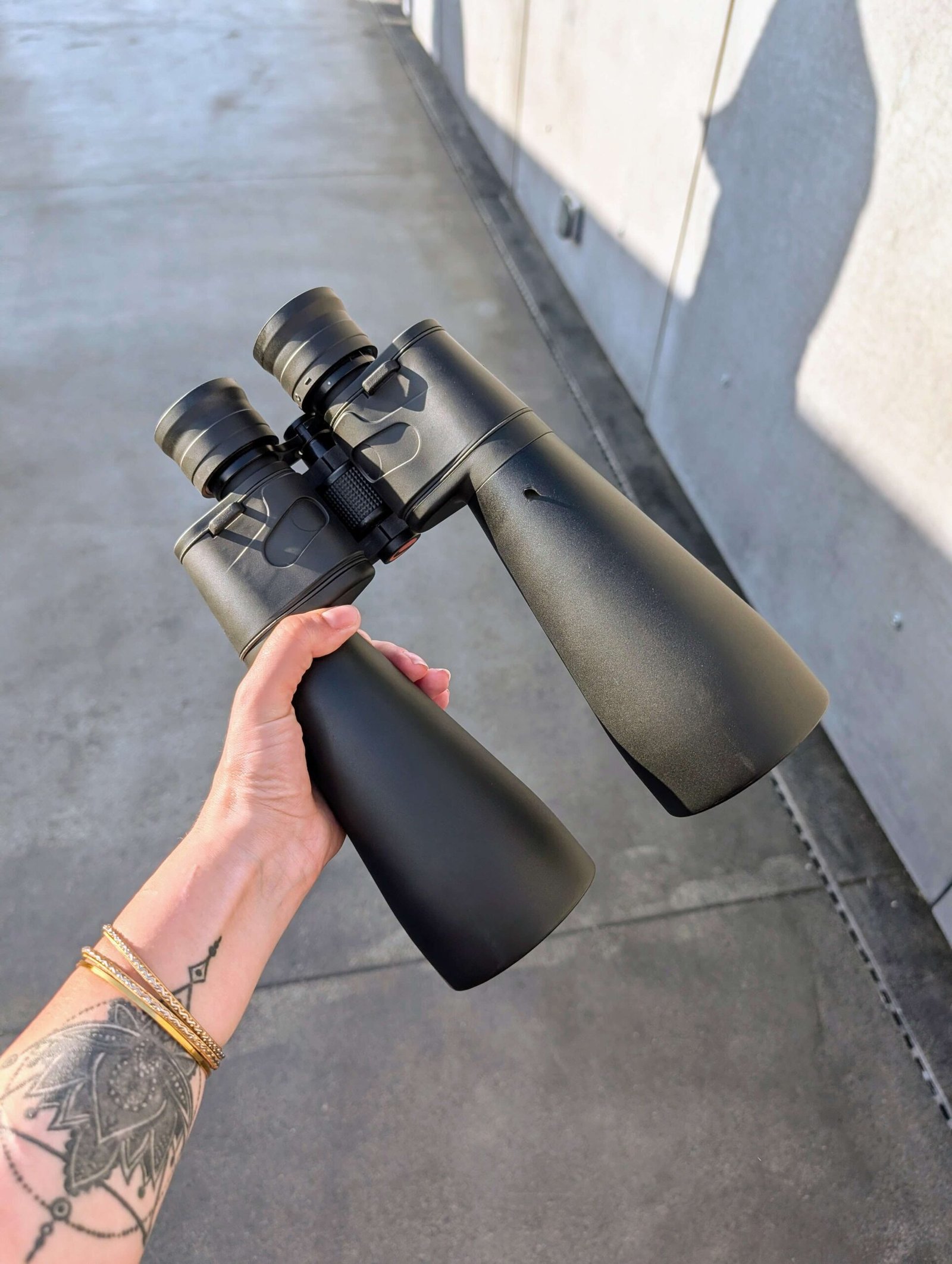
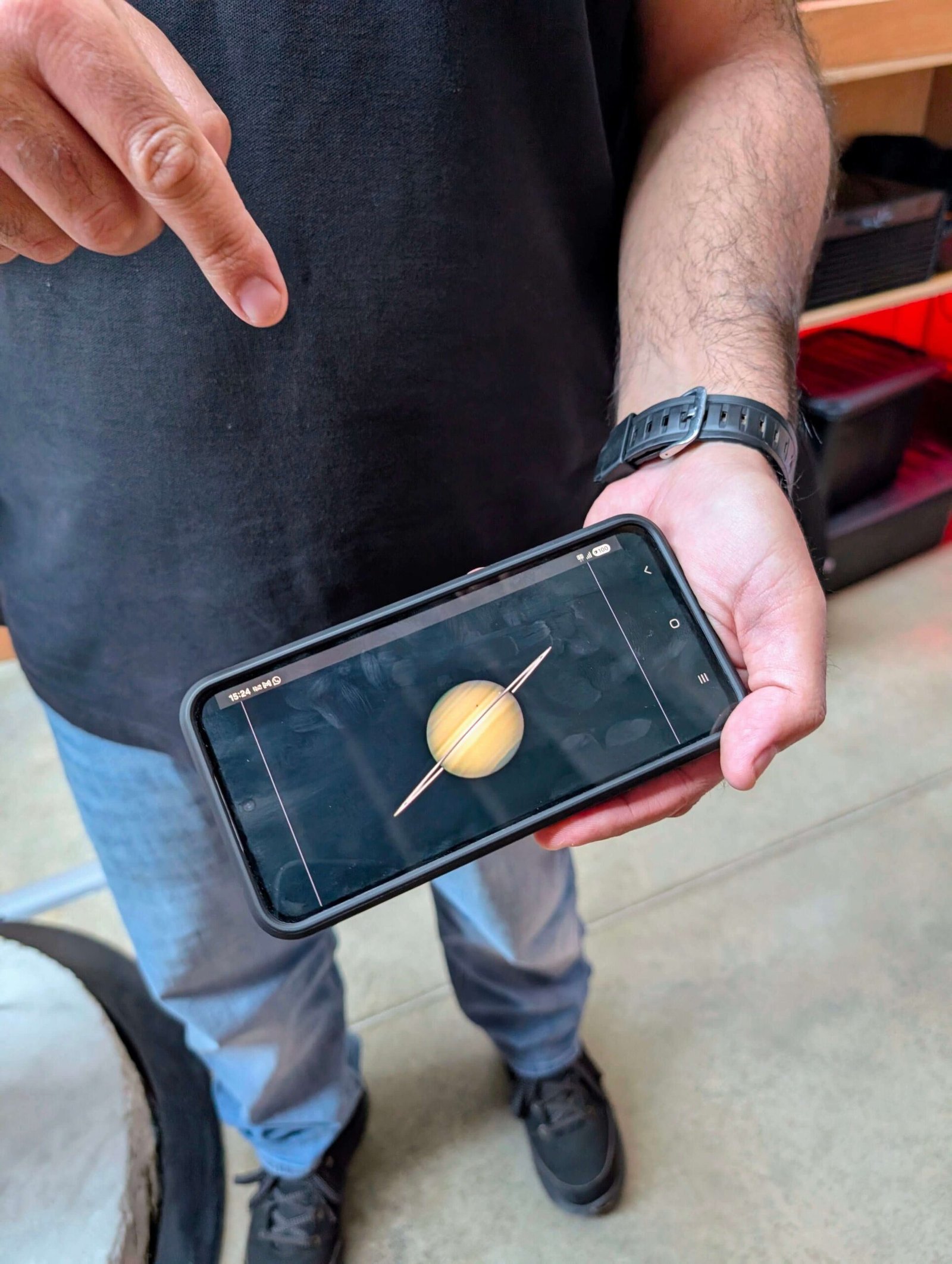
During our visit, we got to look at the sun through the observatory’s helioscope, which is a bizarre experience: seeing sunspots and prominences on the surface of a star that’s usually far too bright to look at directly.
We were also taken through to see the main 20-inch telescope up close, which is a beast, seriously impressive. Our guide talked us through exactly how it works and what it’s capable of picking out on a clear night.
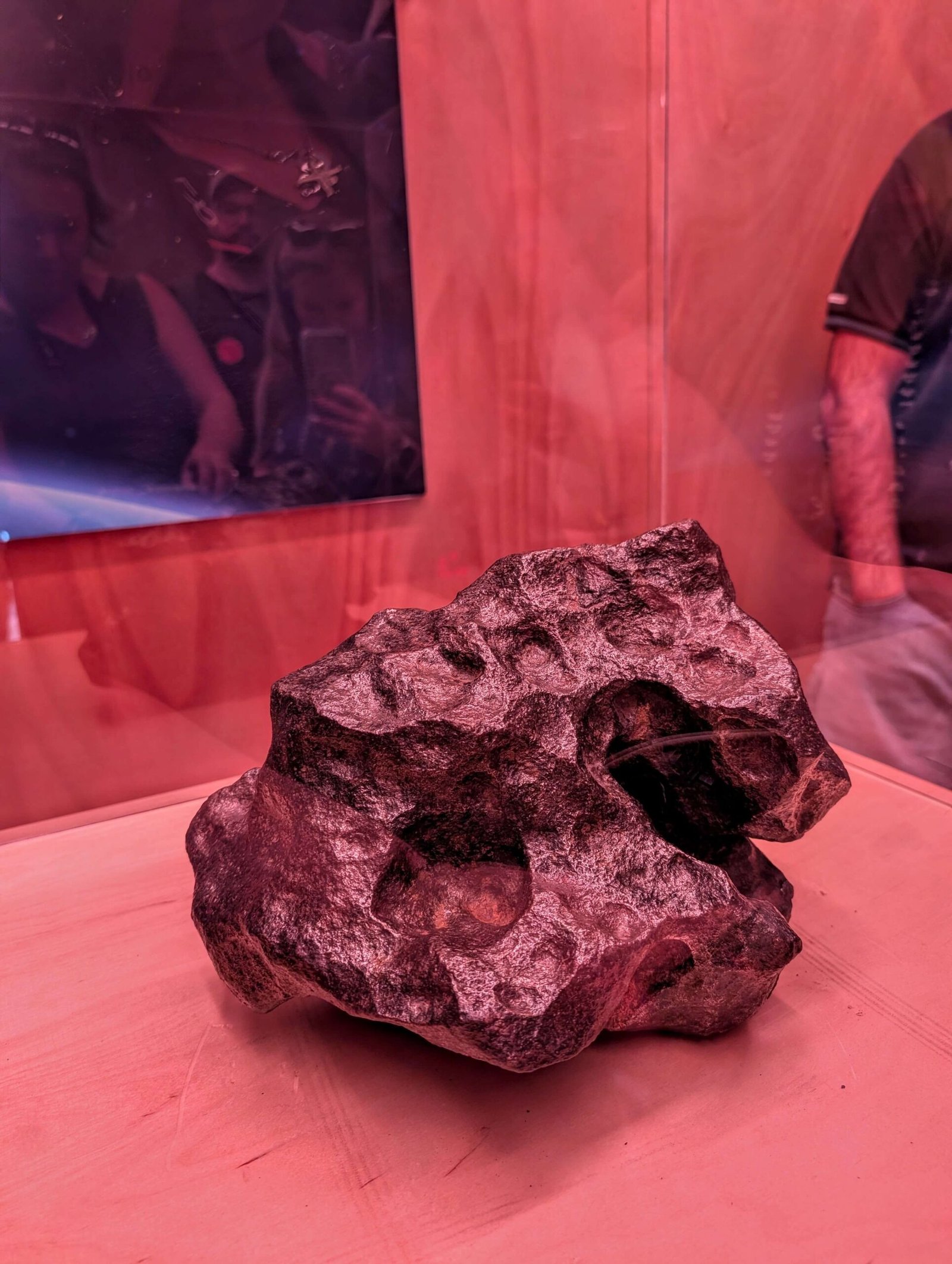
My favourite moment, though, was getting to touch an actual chunk of meteorite from Argentina, millions of years old, on permanent display at the observatory. It felt really uncanny touching something that was so old.
The Nighttime Experience
Although I can’t speak to it from personal experience, Troodos Observatory also runs a dedicated evening programme, which is the main reason people make the journey up into the mountains.
Night visits typically include a short lecture on stargazing basics and any notable celestial events happening at the time, a practical session on using telescopes and binoculars yourself, and a guided session with the main telescope (conditions permitting), taking in planets, nebulae, and, in summer, a clear view of the Milky Way.
There’s also the option to try your hand at ‘uranography,’ reading and navigating star charts, which I think is pretty cool.
Given how remote and dark the surrounding area is, and how frequently the observatory’s reviews mention the night sky on show, this is definitely the version of the experience to prioritise if you can only pick one.
A Word of Caution
A few practical things worth knowing. The Cyprus observatory is genuinely up in the mountains, roughly 45 minutes from Limassol or Nicosia, so this isn’t a spontaneous, tack-on visit; you’ll want to build proper travel time into your day.
Night-sky viewing is entirely weather-dependent, so a cloudy or overcast evening could mean missing out on the telescope element of a night visit, though the lecture and equipment sessions still go ahead regardless.
You should also definitely book ahead to avoid disappointment.
Need to Know
Please note that pricing can change, so it’s worth double-checking directly on their website for up-to-date figures.
Daytime Visit: Adults €7, students and children €5. Includes the Cosmotheatre film, sun observation through the helioscope, a look at the meteorite, a tour of the main telescope (without night-time observation), and a walk along the Astromarina.
Nighttime Visit: Adults around €20, students and children around €10. Includes the stargazing lecture, hands-on telescope practice, and guided observation through the main telescope, weather permitting.
Family-friendly discounts apply, with a second child and any additional children admitted free, and children under 3 always going free. Cyprus National Guard soldiers receive a 50% discount, and carers accompanying visitors with disabilities are admitted free.
Cyprus Observatory: How to Get There
Troodos Observatory is located in Agridia, in the Troodos Mountains, around a 45-minute drive from both Limassol and Nicosia, and just a five-minute drive from the Agros-Troodos road. A car is the easiest way to get here, since public transport links to this part of the mountains are limited.
Best Time to Visit
If stargazing is the priority, aim for a clear night, ideally outside the winter cloud season, and check the observatory’s own site or social channels for guidance on the best viewing conditions before you book.
If you’re visiting in summer specifically to see the Milky Way, evening visits are reportedly especially rewarding during that season.
Troodos Observatory Cyprus | Final Thoughts
It’s clear a huge amount of love and care went into both the building itself and the experience once you’re inside. The people behind this project are truly obsessed with stargazing, and it shows.
Even without stargazing on the agenda, our daytime visit was super engaging, and a huge part of that came down to having a guide who was so obviously passionate about the subject.
If you’re planning a trip to Cyprus and have any curiosity about space, I’d recommend building this into your itinerary, ideally as an evening visit if your schedule allows, so you can make the most of those famously dark, clear Troodos skies.
That’s all for this one, but as always, if you have any questions then let me know in the comments below.
Until next time,
XOXO
If you like this article and would like to support my work, please click the button above to donate a couple of bucks and buy me a coffee. The revenue that I receive on this website is minimal, so support from my readers enables me to keep creating content that you (hopefully!) love to read.
Disclaimer: Travelling Jezebel contains affiliate links. If you make a purchase on a recommended site, I may make a small commission at no extra cost to you.