
16 Turkish Food Traditions – All You Need to Know About Turkish Food Culture
It’s one thing to get to know the cuisine of the places you visit, but it’s another thing entirely to get to know the actual food culture.
When we don’t take the time to learn and understand the way that locals consume food, we not only run the risk of making embarrassing mistakes (I’m sure you’ve all heard never to order a cappuccino after 11am in Italy), but we also miss out on cultural experiences that revolve around food.
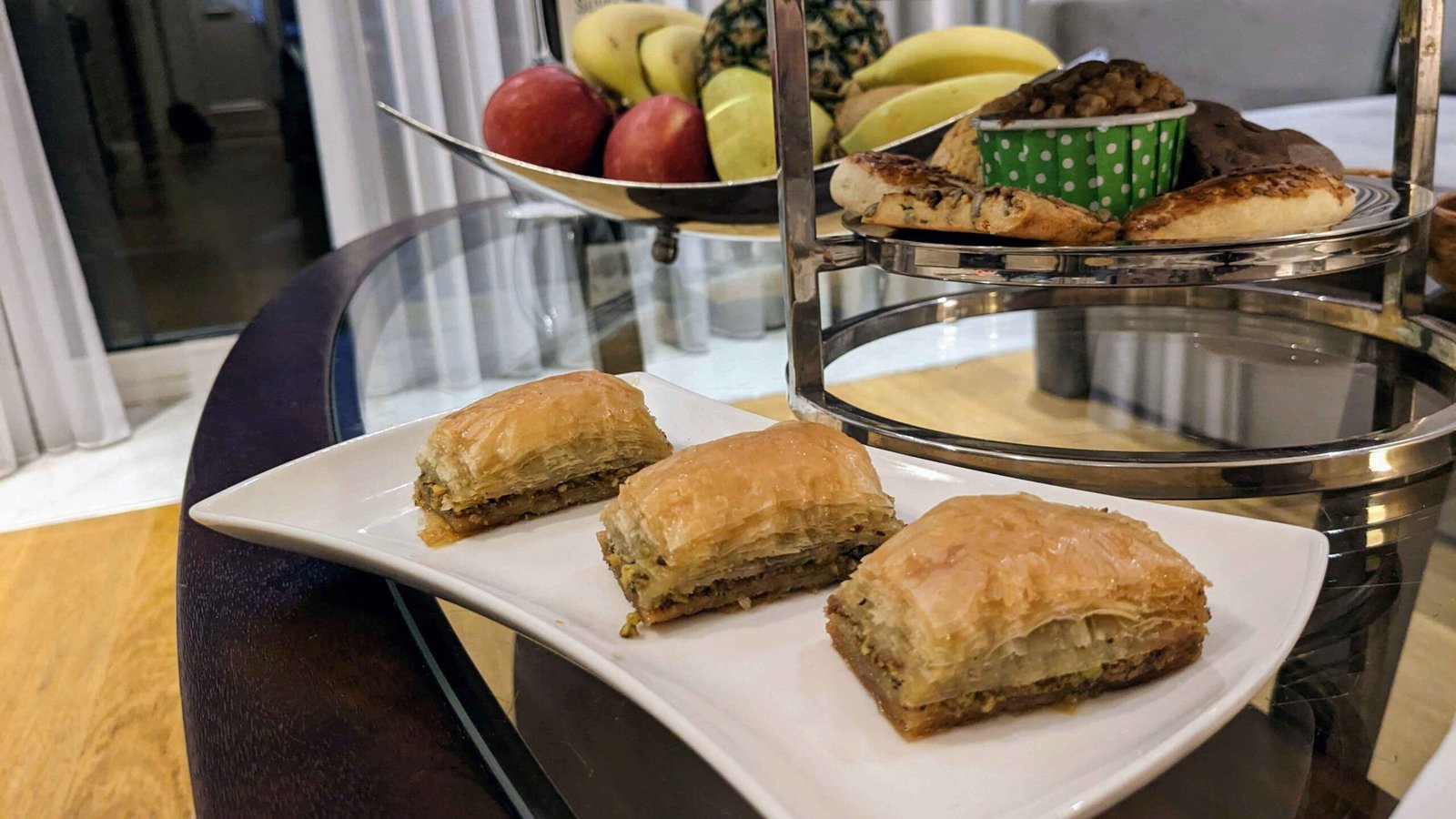
I’m talking about sharing couscous in Morocco, standing at the bar while drinking espresso in Italy, and experiencing the pure indulgence of a Georgian supra.
Türkiye (formerly Turkey) has a vibrant food culture, based on tradition, family recipes, and preparation methods that are passed down from generation to generation.
Turkish food traditions are the very core of Turkish cuisine, and it’s impossible to truly know Turkish food without becoming familiar with Turkish food culture.
In this article, I’m going to dive deep into the heart of Turkish food traditions, exploring what makes Turkish food culture so unique.
Are you ready? Then let’s get into it.
Turkish Food Traditions – All You Need to Know About Turkish Food Culture
Turkish Food At a Glance
Turkish food is rooted in centuries of migration, empire, and trade. Developed from Ottoman cuisine, which was shaped by Central Asian nomadic traditions with Mediterranean and Middle Eastern influences, a lesson in Turkish food is also a lesson in history.
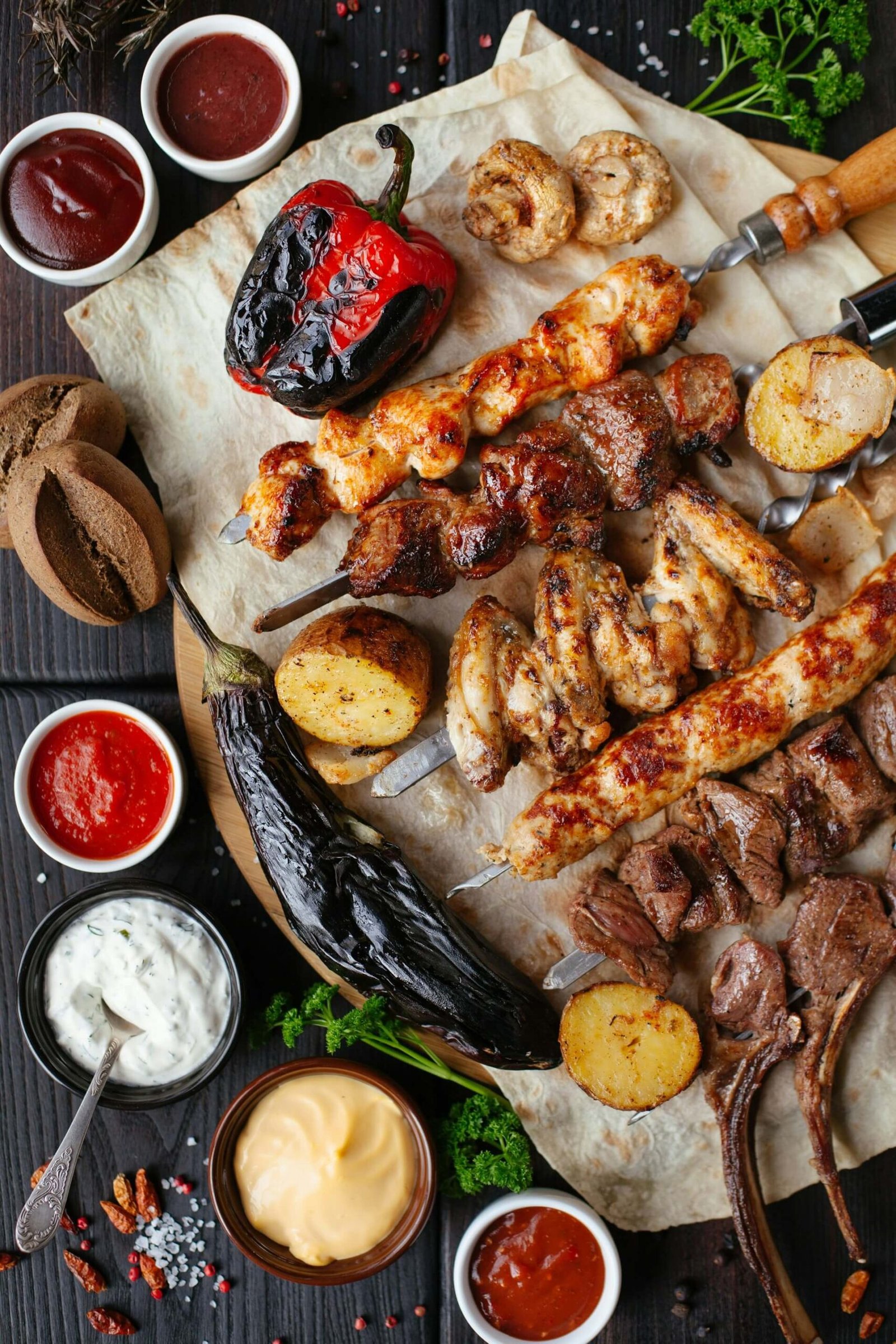
That history can be tasted with every bite: grilled meats from pastoral cultures, olive-oil dishes influenced by the Aegean and Mediterranean, and spices and sweets refined in imperial Ottoman palace kitchens.
Meals revolve around fresh bread (lots of bread), yoghurt, vegetables, and slow-cooked dishes perfected over generations. Meze spreads turn every meal into a feast, with Turkish food traditions dictating that food should be social, generous, and designed to be shared slowly.
16 Things You Need to Know About Turkish Food Culture
1. Breakfast is a big deal
Unlike the typical Italian breakfast, designed to provide nothing more than a sugar and caffeine spike, the traditional Turkish breakfast (kahvaltı) is rich in variety and is more of a spread than a single dish.
These days, the full affair is reserved for the weekend, when families have the time to come together and linger.
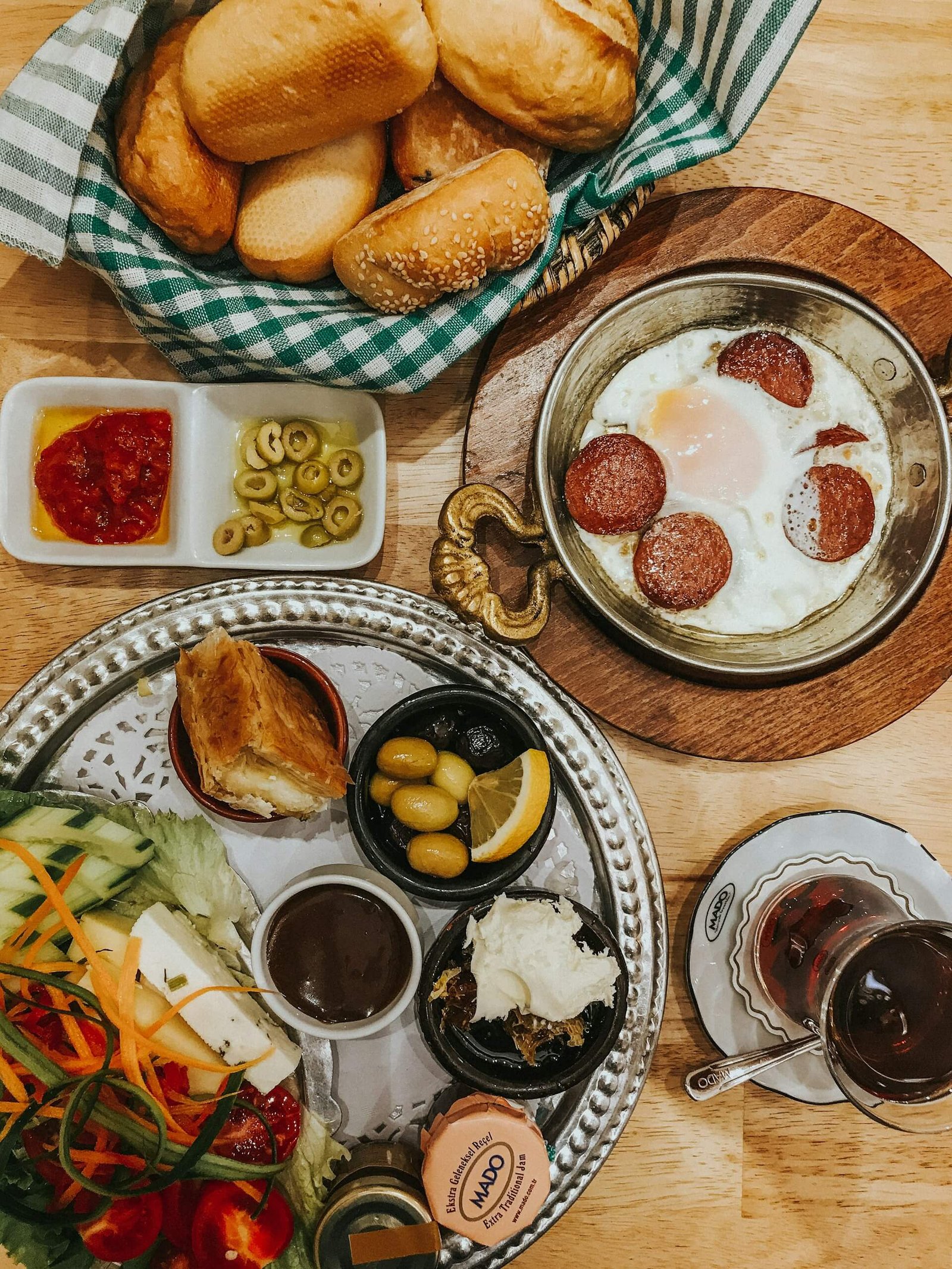
A traditional Turkish breakfast typically includes:
- White cheese (beyaz peynir) and yellow cheese
- Butter
- Olives
- Eggs (boiled, scrambled, or menemen with tomato and pepper)
- Muhammara (a roasted red pepper dip)
- Sliced tomatoes and cucumbers
- Honey and clotted cream (bal kaymak)
- Jams and marmalades
- Sucuk (spicy Turkish sausage)
- Börek (flaky filo pastry filled with cheese, spinach, or minced meat)
- Soups may also be eaten as part of breakfast in Türkiye
Fun fact: The Turkish word for breakfast, kahvaltı, means ‘before coffee.’
2. Turkish people love home-cooking
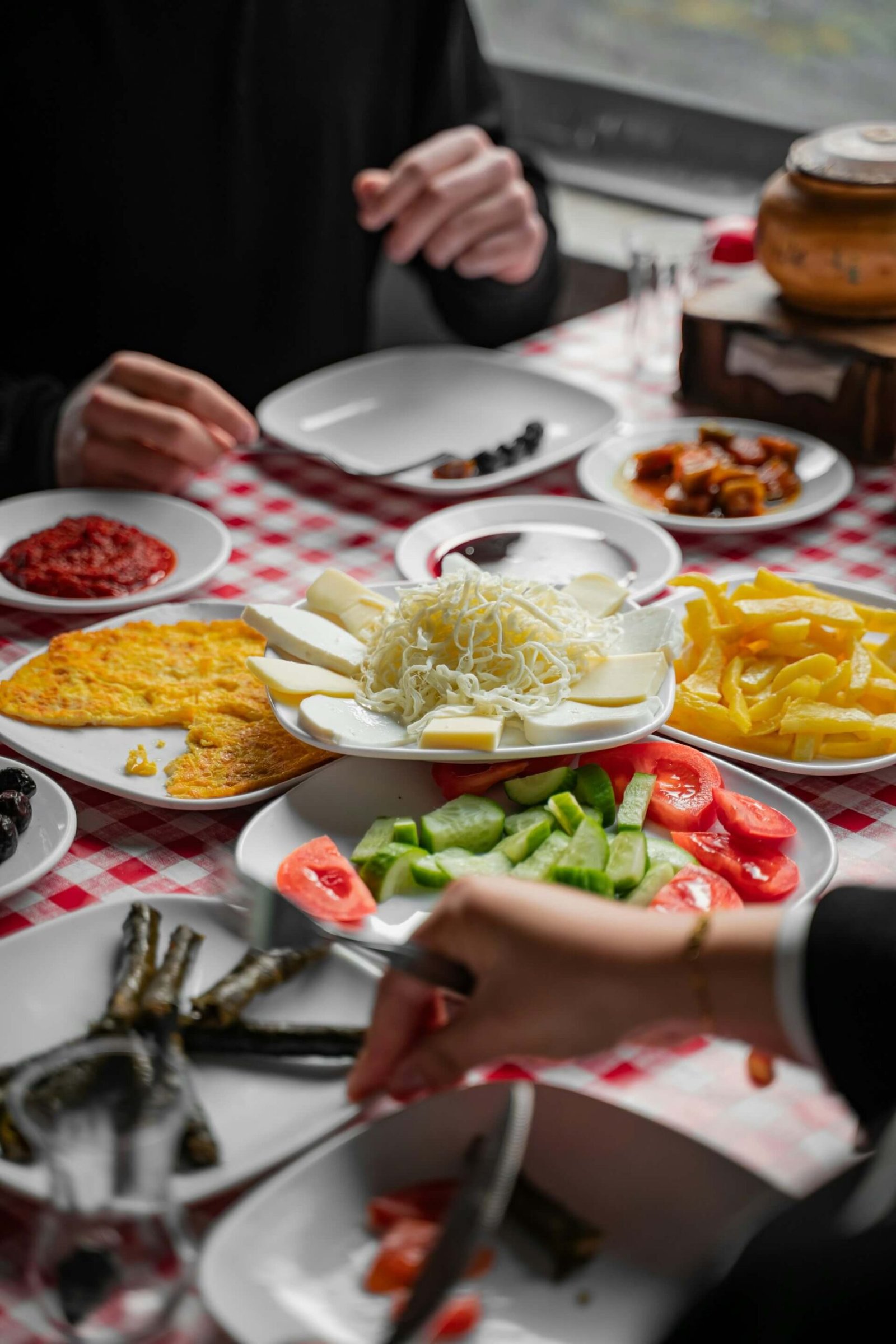
While eating out is becoming more and more common in Türkiye (especially in the big cities like Istanbul), Türkiye has always been a nation of home-cooking, with meals traditionally consumed in the home, as a family.
Cooking is seen as a way of caring for the family, and many classic Turkish dishes are designed to be made at home (soups and stews, for example). Of course, Turkish people enjoy going to restaurants, but home cooking remains the default, with a much higher value placed on it than in many Western nations.
3. Hospitality often involves food
Food is central to Turkish hospitality, and tradition dictates that whenever a guest comes to the home, they must always be offered something to eat or drink.
Even during short visits, it is typical to offer tea, sweets, and fruit. This custom is rooted in nomadic traditions and Ottoman social norms, where generosity was a reflection of honour and status.
Top tip: If you’re invited to a Turkish person’s home, be sure to accept whatever you’re offered. Refusing food can be seen as impolite.
4. Never return an empty pot!
If you borrow a kitchen pot from your Turkish neighbour, don’t return it without putting something inside!
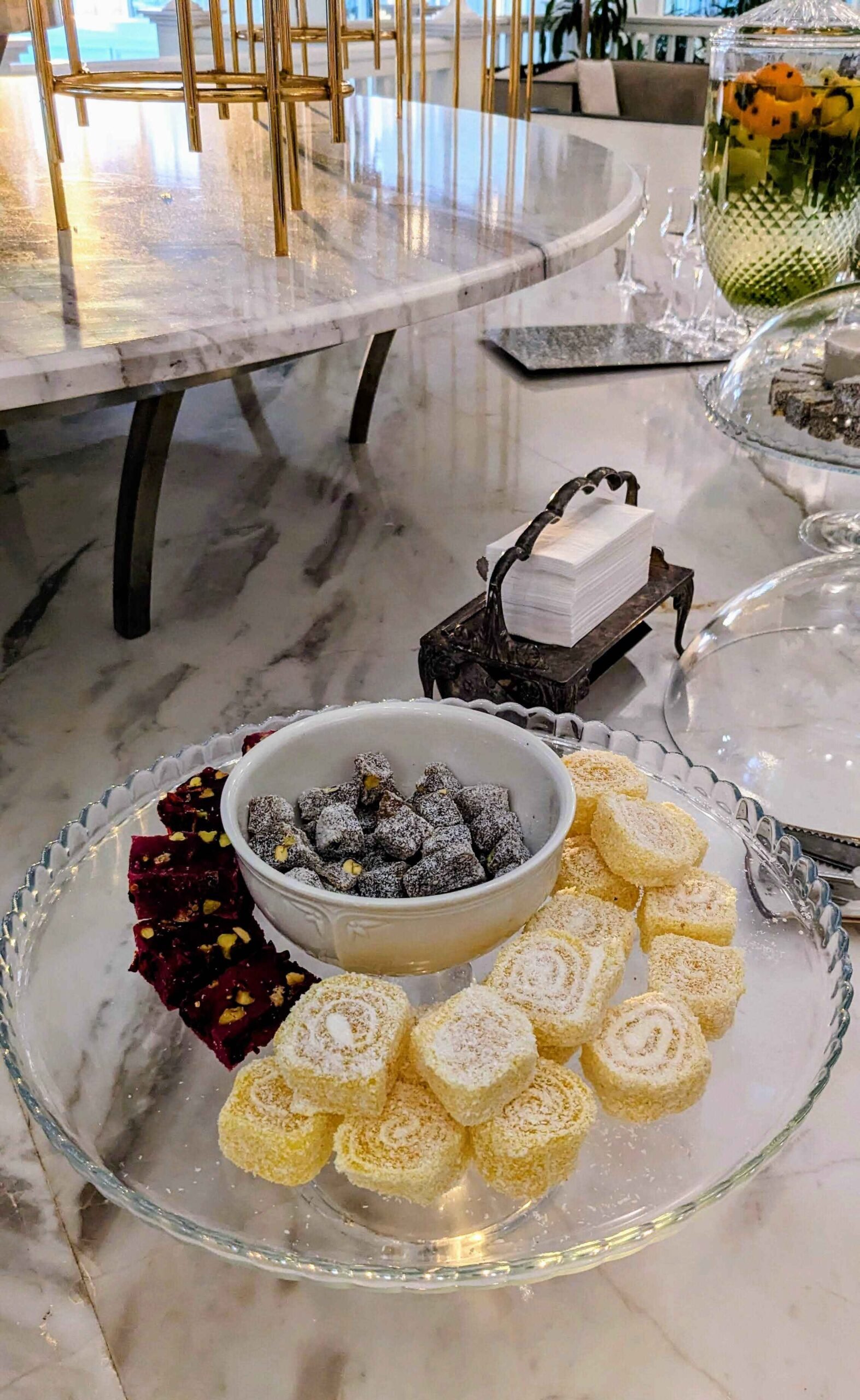
In Türkiye, if you borrow a pot from your neighbour, it is considered polite to return it with something inside. This might be home-cooked food, sweets, fruit, or even something simple like bread or pickles. It doesn’t really matter what you put inside the pot – what matters is the gesture itself.
Nowadays, this custom is much more common in smaller towns with tight-knit communities, and in the older generations.
5. Turkish supper
The equivalent to ‘supper’ in Türkiye is yatsilik, which is a late-night snack eaten before or after the night (yatsı) prayer.
Yatsilik foods include fruit, nuts and seeds, biscuits, simple cakes, and tea.
6. Keşkek
Keşkek is traditional Turkish dish that is often served at weddings and religious holidays.
It is a slow-cooked wheat and meat porridge, usually made with lamb or chicken.
The preparation of Keşkek is very important. First, the wheat is washed with prayers, before being carried to a large stone mortar outdoors, to the sounds of traditional music.
This dish is extremely labour intensive, with multiple people standing over the cauldron and stirring the mixture continuously as more ingredients are added.
This continues for the whole night, and around midday, the strongest people in the village pound the Keşkek with wooden mallets, as the crowd cheers and musicians play traditional music. Keşkek is prepared in large quantities, with neighbouring villages often being invited to join the feast.
Keşkek is especially popular in Central Anatolia and parts of Eastern Türkiye.
7. Bread is life
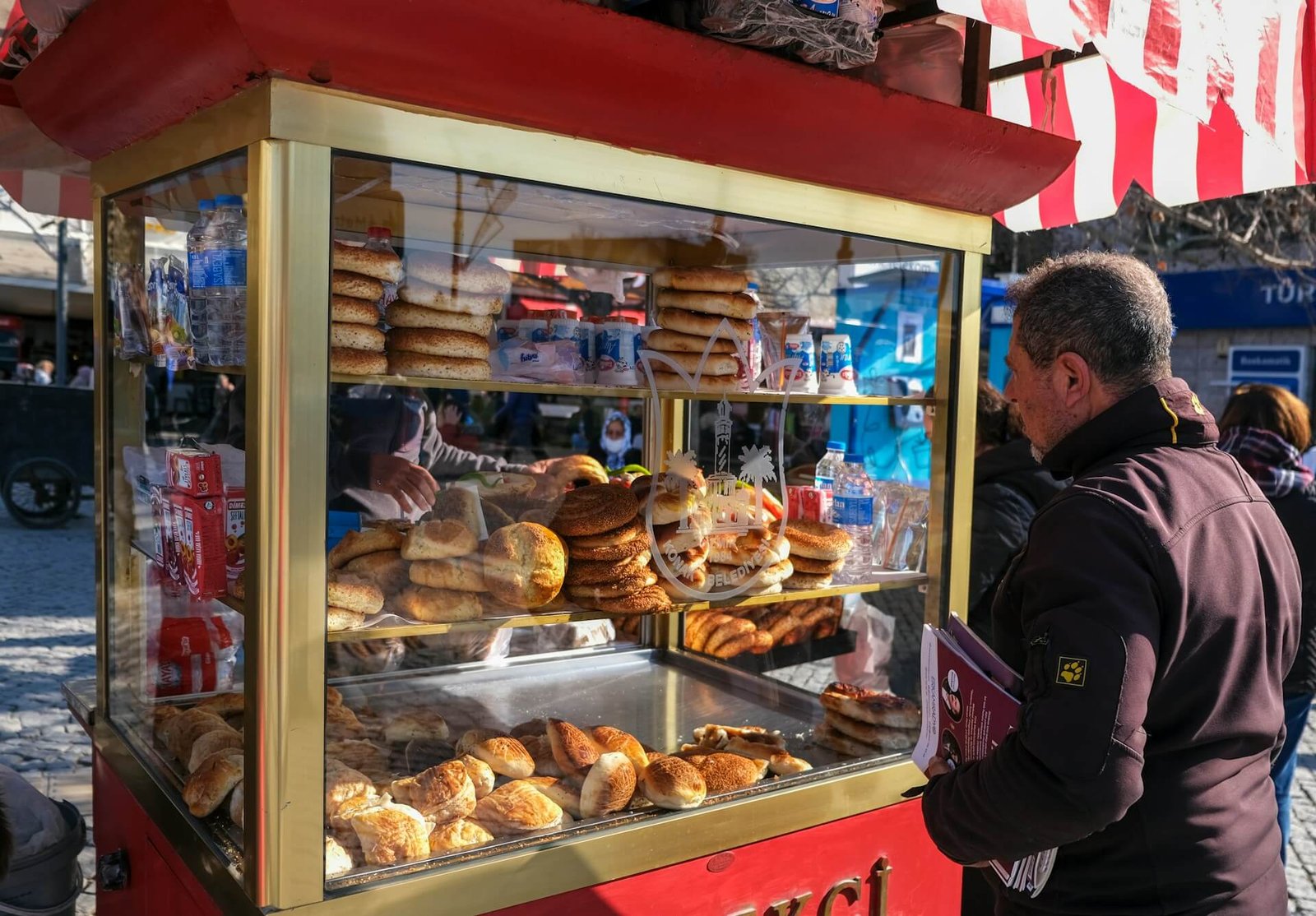
In Türkiye, bread is not just a food – it’s everything.
Turkish people eat bread with every meal, and a meal is considered incomplete without it.
Trust me – you can never overestimate how much bread a Turkish person will consume with their meal! Türkiye even has the highest bread consumption per person globally, with the average Turk consuming almost three times their weight in bread every single year!
8. Flatbread traditions
There are so many different types of bread in Türkiye, but flatbread is perhaps one of the most culturally revered.
Turkish flatbread usually takes at least three people to make, and sharing flatbread is an integral part of Turkish food culture.
As well as being a common accompaniment to everyday food, flatbread is also shared at special occasions like weddings, births, funerals, religious gatherings and holidays.
At a Turkish wedding, the couple’s neighbours will traditionally receive flatbread for prosperity.
The culture of making and sharing flatbread is still common in countries like Azerbaijan, Iran, Kazakhstan, Kyrgyzstan and many more.
9. The Sultan’s Paste Festival of Manisa
One of the most special Turkish food traditions takes place at the Mesir Macunu Festival of Manisa, which takes place from the 21st – 24th of March each year.
The Mesir Macunu Festival is a centuries-old celebration that commemorates the recovery of Hafsa Sultan, mother of Suleiman the Magnificent, who was said to be cured of a disease by a herbal paste.
The paste is made with 41 fresh spices and herbs. After it is made, a team of 14 women wrap the paste in small pieces of paper, before 28 imams and apprentices bless it and scatter it from the top of the minaret and the domes of the Sultan Mosque.
Every year, thousands of people come from all over the country to try and catch the pieces as they fall, believing that if they are successful, their wishes for marriage, work, and children will come true within a year.
Suring the preparation of the paste and throughout the festival, a 45-piece orchestra performs traditional Ottoman music.
10. Esnaf lokantası
If you find yourself in in Türkiye and you’re looking for authentic and affordable Turkish cuisine, you need to find an ‘esnaf lokantası‘ (a type of restaurant that caters to tradesmen).
These no-frills establishments can be found all over Türkiye serving traditional home-cooking at affordable prices. These are some of the best places to try local food, and they’re a quintessential part of Turkish food culture.
11. Turkish tea
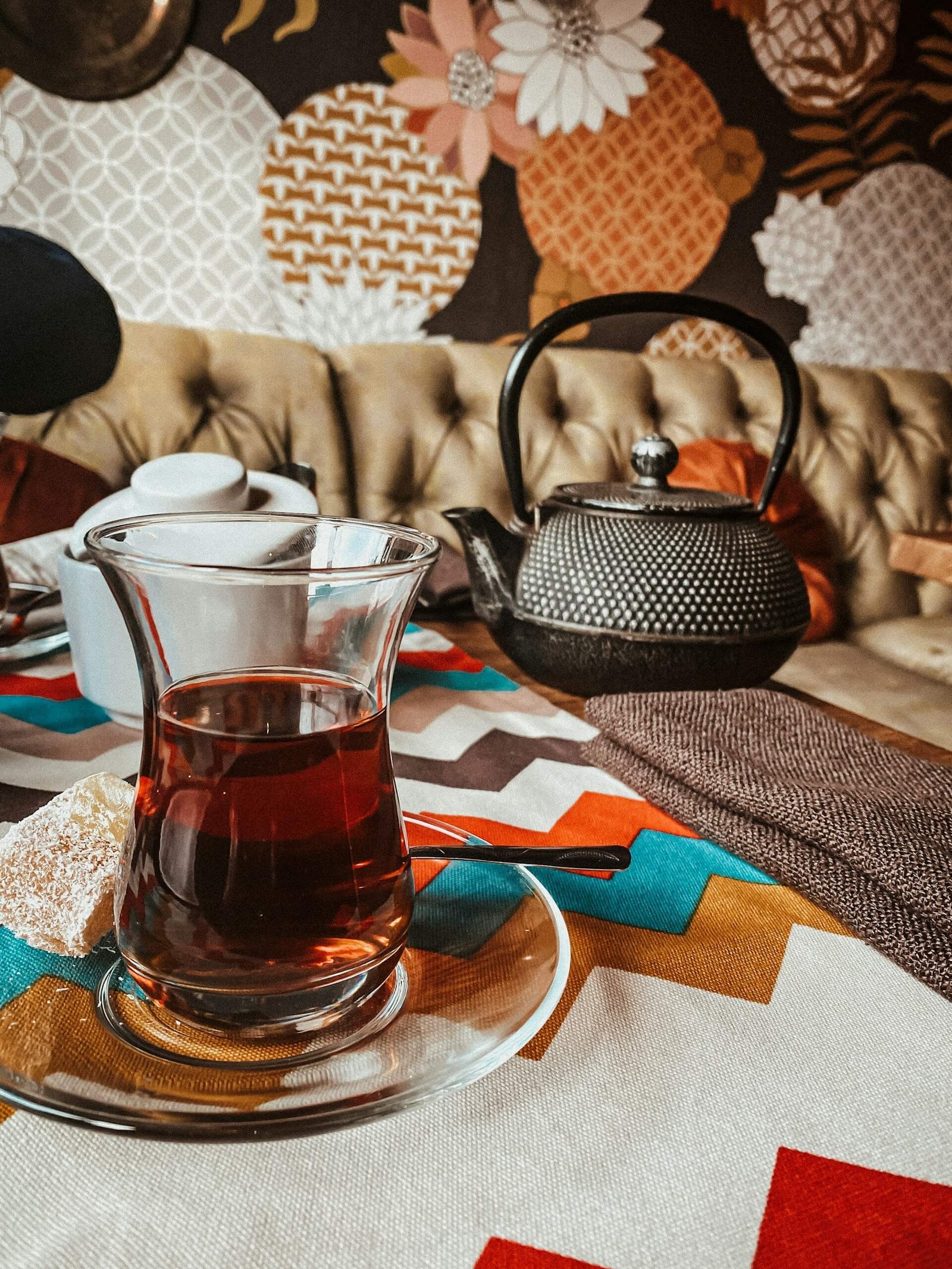
If there’s one thing that Turkish people love as much as bread, it’s tea.
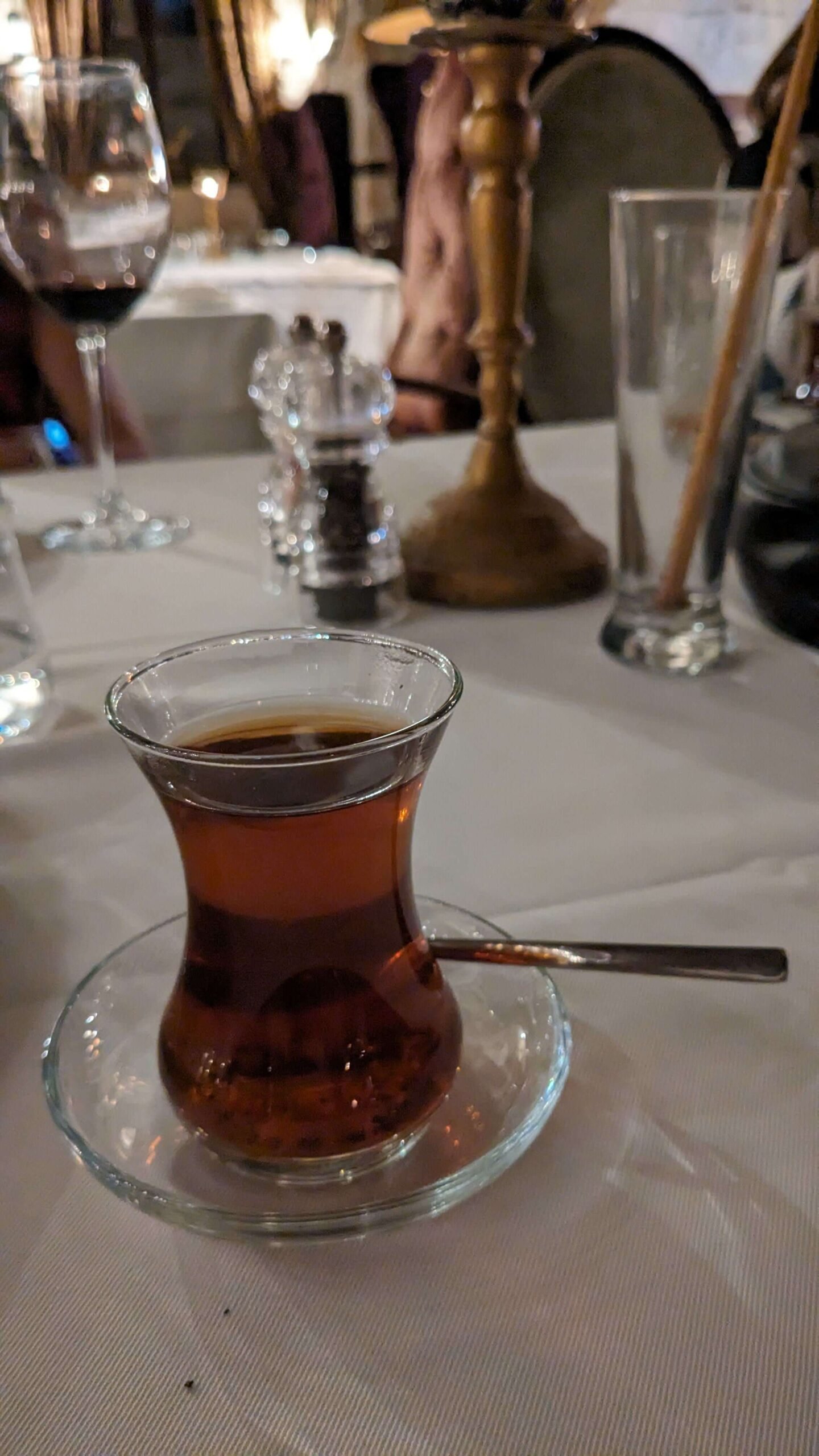
From morning till night, Turkish people drink black tea, called ‘çay’. Tea is a huge symbol of hospitality in Türkiye, and will almost always be offered to guests in homes, shops, hotels, and restaurants.
12. Turkish coffee
It isn’t as popular as tea, but coffee is still a huge part of Turkish culture.
Coffee beans were introduced to Turkiye in the 16th century the Ottoman Governor of Yemen, Özdemir Paşa. Turkish coffee is very strong, very bitter, and still has the powdery coffee grounds at the bottom of the cup.
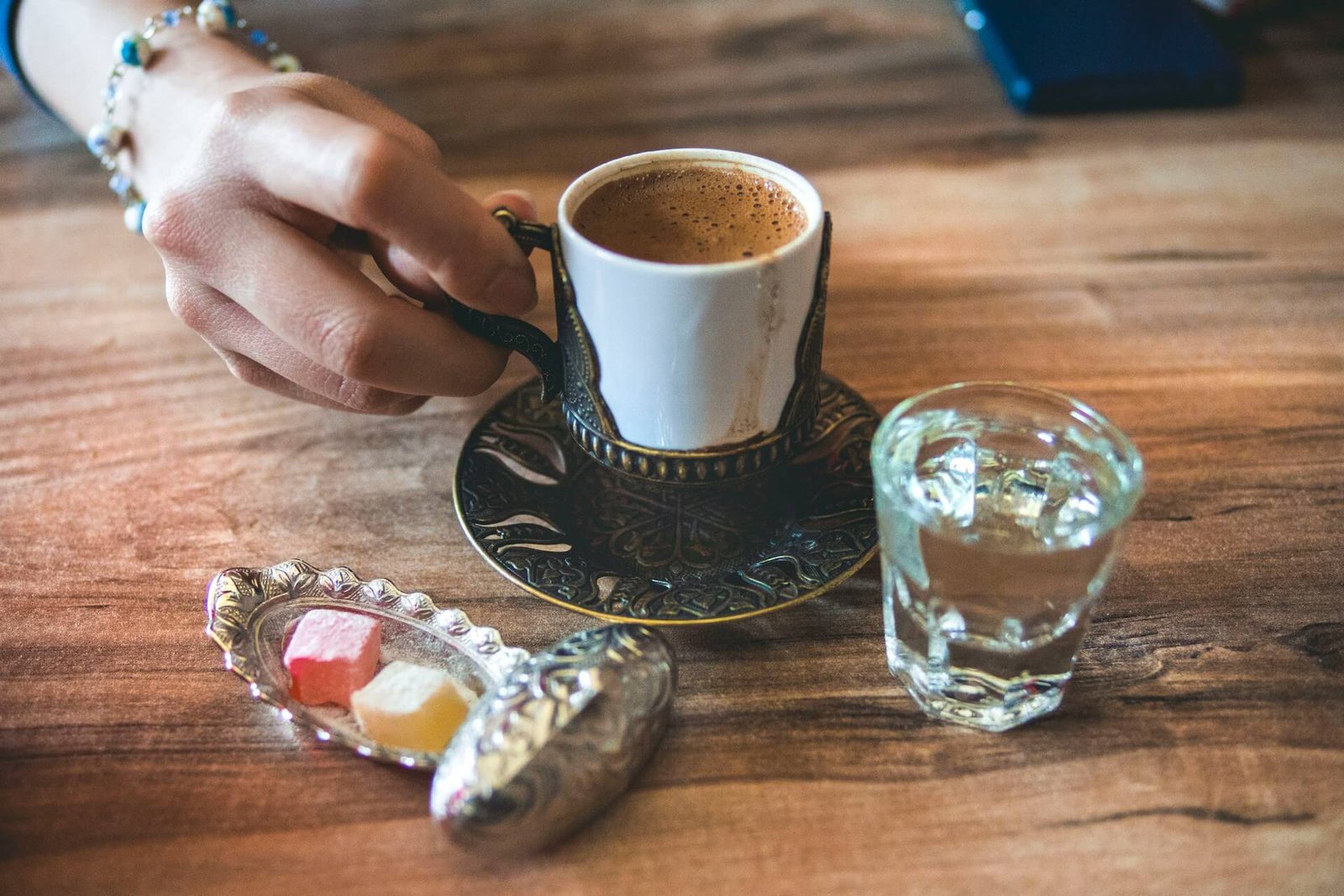
You can find Turkish coffee anywhere the Ottomans ruled, although it is usually referred to by the name of the country where you’re drinking it (like ‘Albanian coffee,’ for example).
One of the most interesting things about coffee culture in Türkiye is the practice of fortune-telling by ‘reading’ the coffee grounds in the bottom of the cup. This practice has gone on for centuries, and many Turks believe it to be an accurate prediction of the future.
13. Raki
Despite most Turkish people identifying as Muslim, Raki is Türkiye’s national alcoholic drink, and it’s a central part of Turkish food culture.
Raki is an anise-flavoured spirit similar to ouzo that turns milky-white when mixed with water or ice, earning it the name ‘Lion’s Milk.’
Turkish Raki is not the same as the raki (also rakija, rakia) that you may have encountered in the Balkans, but its cultural significance is similar.
14. Turkish people share food
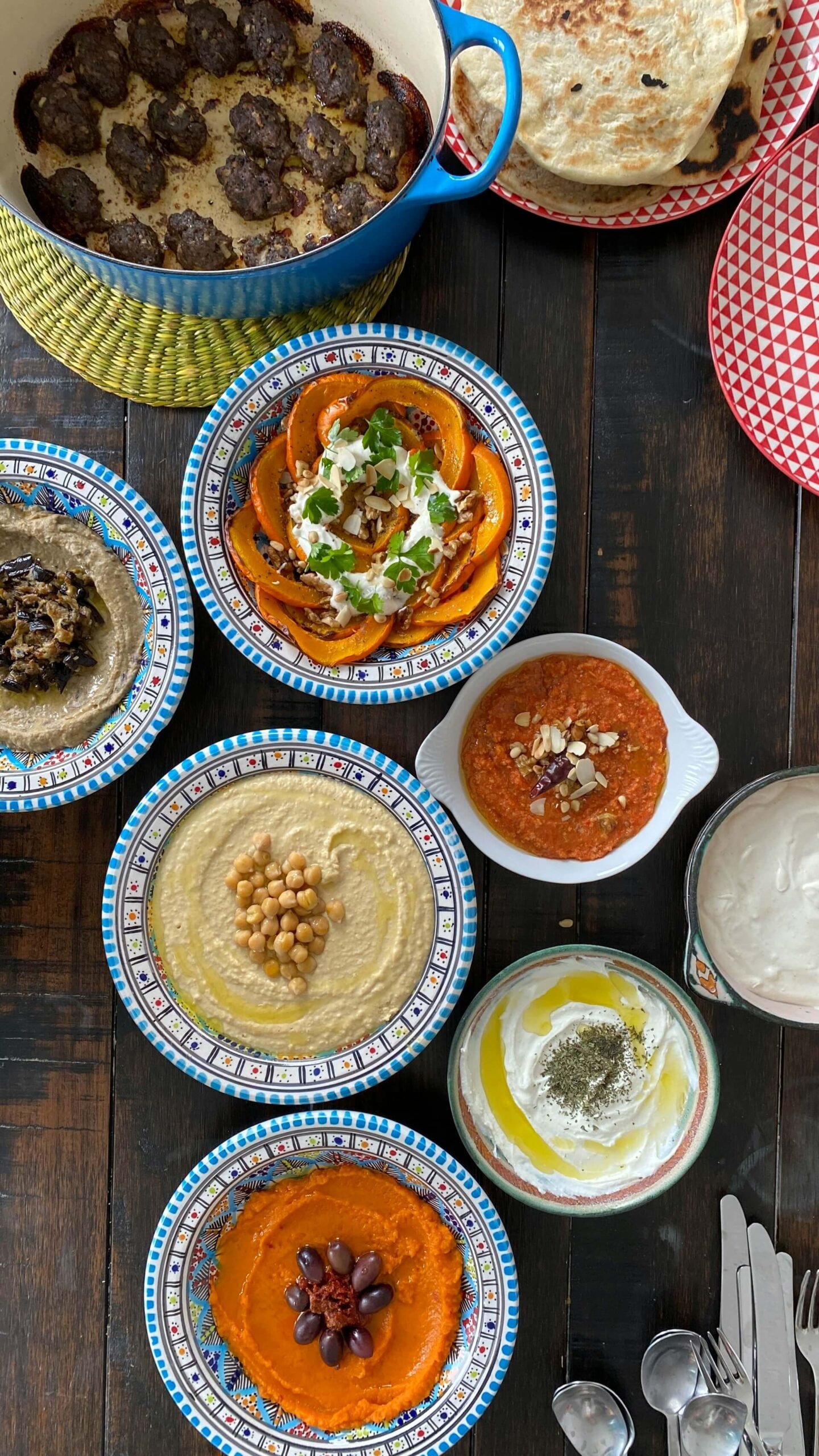
Sharing food is a fundamental part of Turkish food culture, with meals designed to be shared, lingered over, and expanded as more people arrive at the table.
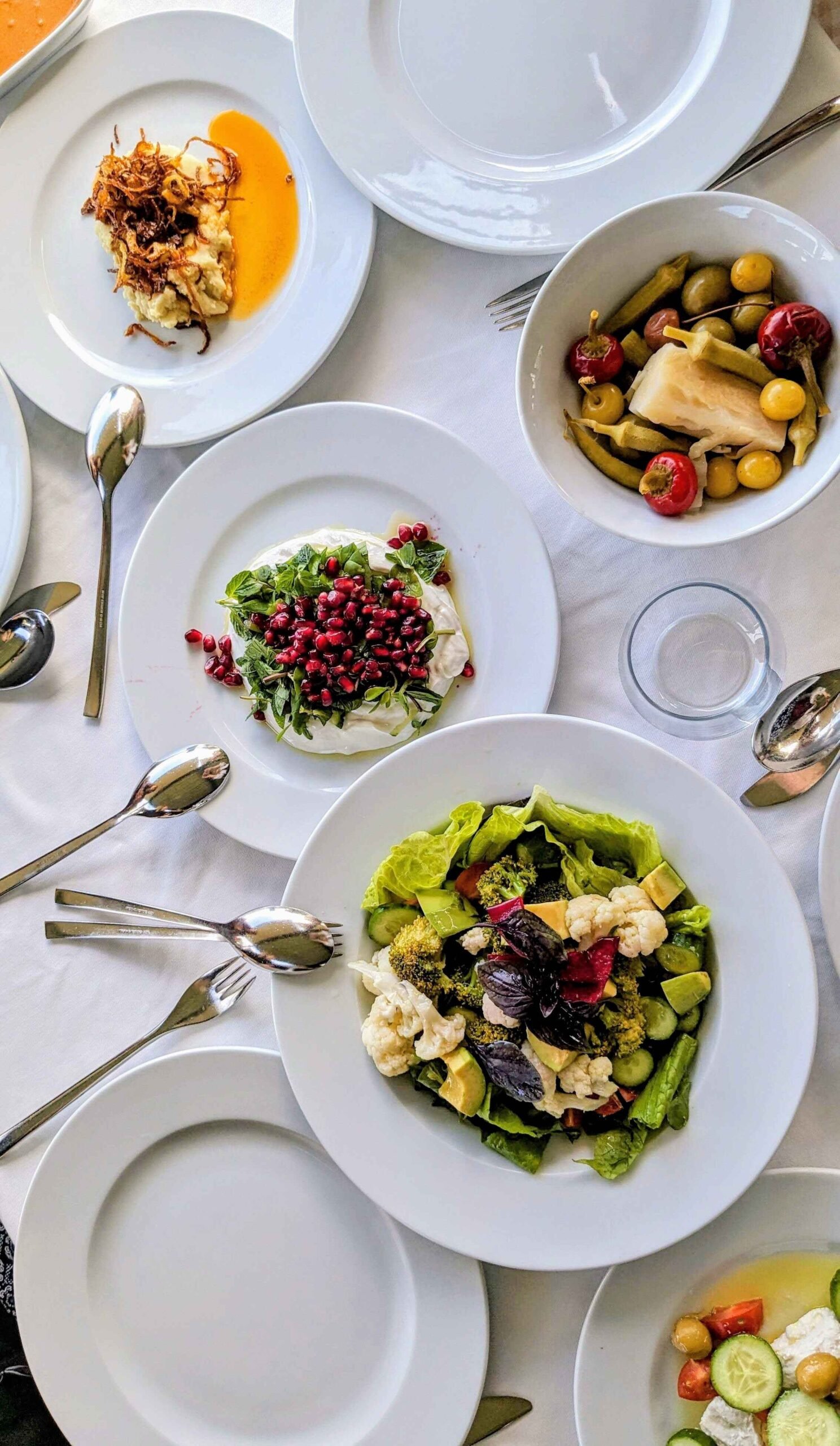
Even when they go out to eat, Turkish people will at least make sure that their starters are shared, ordering multiple small dishes for the table. This is known as a meze spread, and if it’s big enough, it can be a full meal in itself.
Common Turkish meze dishes include:
- Acılı ezme (spicy tomato and pepper salad or dip)
- Cold eggplant salad
- White cheese
- Sigara böreği (filo pastry stuffed with cheese)
- Strained yoghurt with herbs
- Fried calamari
- Cacık (tzatziki)
- Dolma (stuffed vine leaves)
- Meatballs with bulgur
- Şakşuka (fried vegetables in tomato sauce)
15. Yoghurt drinks are very common
It’s very common to drink yoghurt drinks in Türkiye. Not only are yoghurt drinks a welcome refreshment in the hotter months, but they’re also believed to aid digestion.
The most popular one is ayran, which is made from yoghurt, water, and salt. You’ll see this everywhere, from supermarkets, and kebab shops, fast-food chains and upmarket restaurants. Ayran is most often served with grilled meat, döner, or pide.
16. Turkish food culture is sustainable
One of the best things about Turkish food culture is that it’s sustainable.
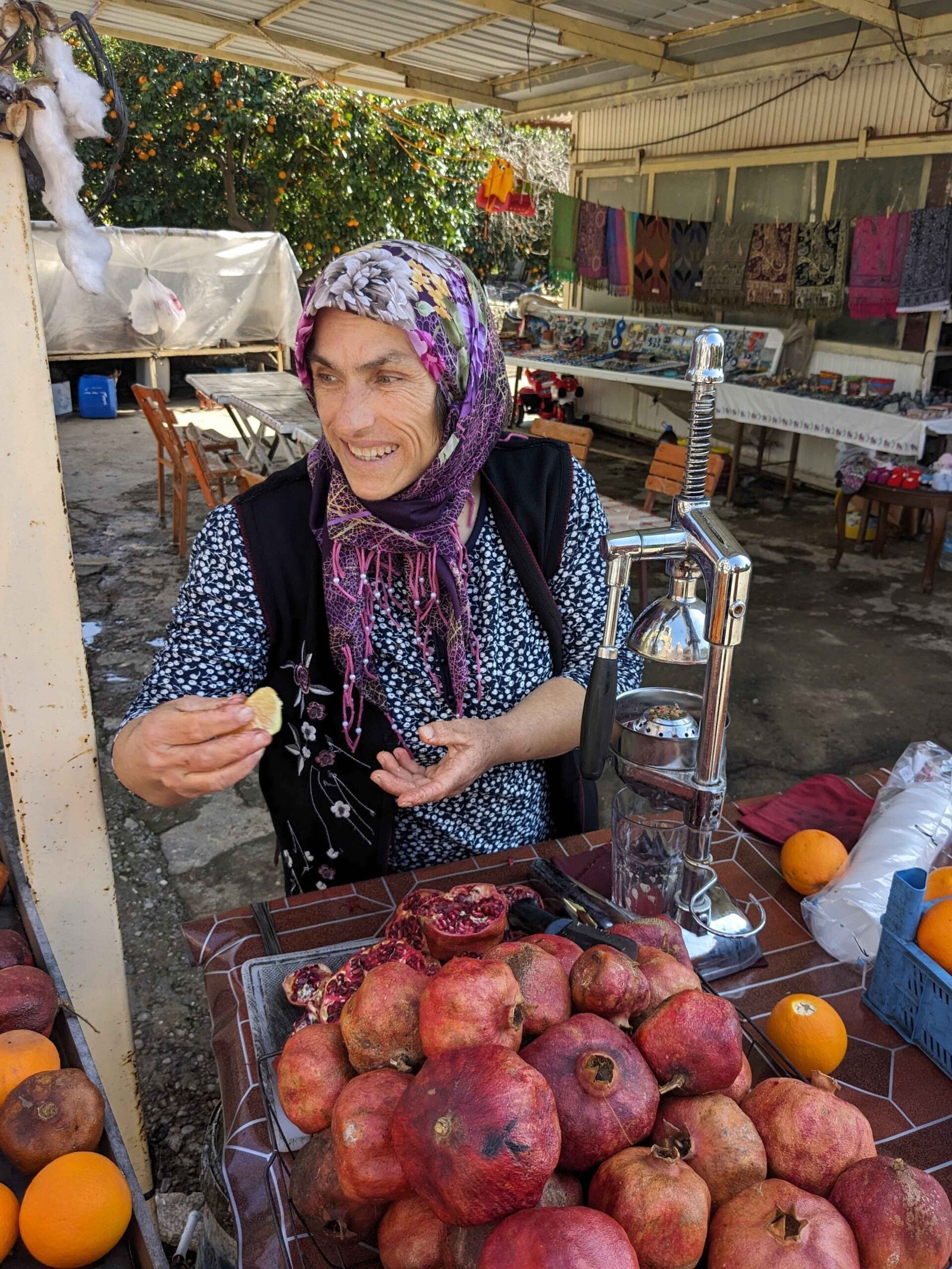
With most Turkish recipes utilising seasonable produce and having no waste materials, Turkish cuisine is naturally low-waste and sustainable.
Turkish kitchens never see anything go to waste. With cupboards stocked with pickled goods, vegetable scraps turned into hearty broths, orange peels added into cake mixtures, and pantries bursting with dried summer fruits, the global community could learn a lot about sustainability from Turkish cooks.
Turkish Food Culture | Final Thoughts
As you can see, there is so much more to Turkish food than the food itself – food in Türkiye cannot be separated from the traditions and rituals that go with it, whether that be tearing off pieces of communal flatbread at a meze table, or making sure to return your neighbour’s pot with something inside it.
At the heart of Turkish food culture is community, and the act of sharing food, as well as quality time, together with the whole family. This, rather than the dishes themselves, are what makes Turkish food culture so special.
That’s all for today’s post, but as always, if you have any questions then please leave them in the comments section below and I will do my best to get back to you!
Until next time,
XOXO
If you like this article and would like to support my work, please click the button above to donate a couple of bucks and buy me a coffee. The revenue that I receive on this website is minimal, so support from my readers enables me to keep creating content that you (hopefully!) love to read.
Disclaimer: Travelling Jezebel contains affiliate links. If you make a purchase on a recommended site, I may make a small commission at no extra cost to you.
