
Six Dishes That Define Istria, Croatia’s Most Underrated Food Region
When it comes to culinary travel destinations, platforms such as Tripadvisor and TasteAtlas tend to spotlight the usual names: Italian cities dominate, alongside expected favourites like Paris and Marrakech. Yet the Croatian peninsula of Istria rarely features on these lists, remaining something of a hidden gem, despite a local cuisine that closely mirrors Italian gastronomy, shaped by a shared climate, history and culinary heritage.
Now, a local travel expert says that ‘hidden gem’ status won’t last forever – and that British travellers, in particular, are overlooking one of the Mediterranean’s strongest food regions.
For travellers who explore with their palate, local guide Toni Hrelja, Founder & CEO of Croatian villa rental company Villsy.com, shares the iconic Istrian dishes visitors should seek out when travelling through the region.
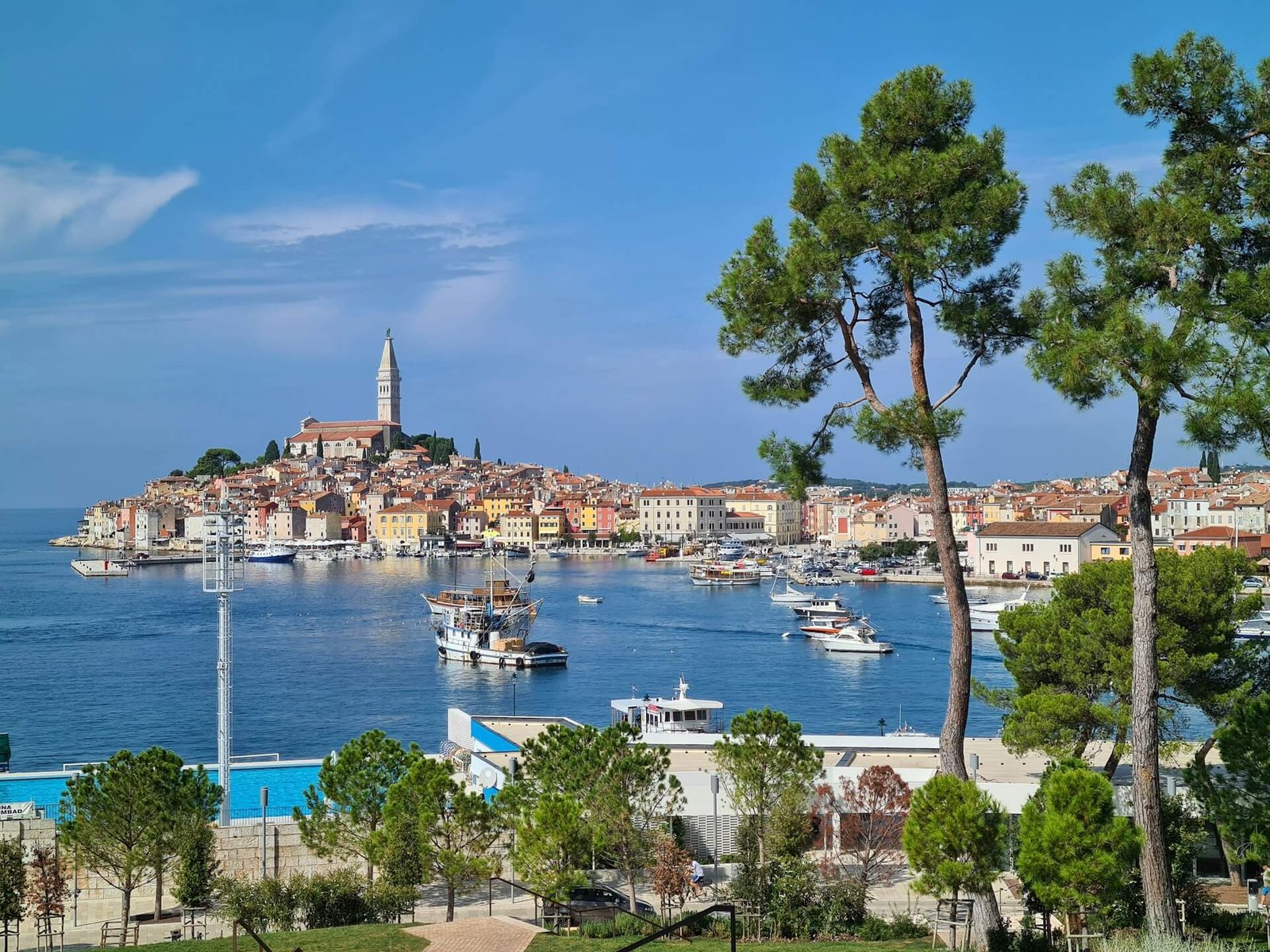
‘Istria’s strength is its diversity,’ says Hrelja. ‘In a short drive, you can go from world-class seafood on the coast to truffle-rich forests inland. It’s a complete gastronomic world, especially when summer crowds have gone.’
Below are six stops, each anchored by one cult Istrian dish, a recommended restaurant, quick cultural context, and what to expect price-wise.
A Local’s Guide to Croatian Istria: The Hidden Gem for Food Travel
1. Fuži with White Truffles: Motovun
Hand-rolled fuži pasta, slicked with butter and finished with freshly shaved white truffle, is the defining dish of inland Istria. The truffles come from the oak forests of the Mirna Valley below Motovun, where hunting remains a generational craft rather than a tourist gimmick.
The pasta itself is traditionally made at home, designed to hold rich sauces and make the most of precious seasonal ingredients. In Motovun, Konoba Mondo serves the dish with restraint, allowing the aroma of the truffle to do the talking. Truffle dishes range from €20 onwards.
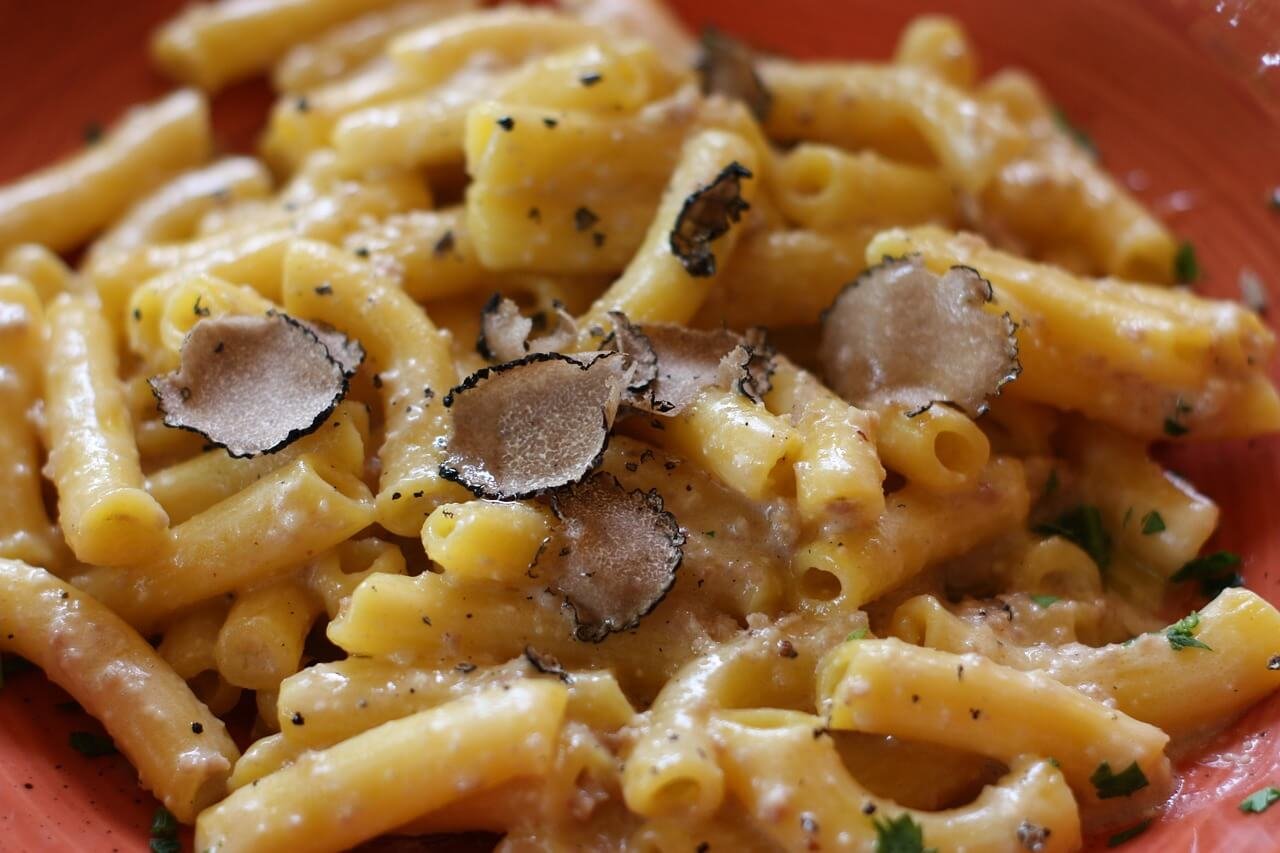
Hrelja calls black and white truffles Istria’s ‘crown jewels,’ and notes that they’re often more accessibly priced than across the border in Italy. ‘The forests around Motovun and Buzet produce exceptional specimens,’ he says, adding that the white truffle season typically runs from September through January.
2. Adriatic Mussels, Buzara style: Rovinj
Buzara-style mussels, gently steamed with white wine, garlic and herbs, began as a fisherman’s meal, cooked quickly with whatever was to hand.
Today, they remain one of the purest expressions of coastal Istrian cooking: simple, briny and best eaten slowly.
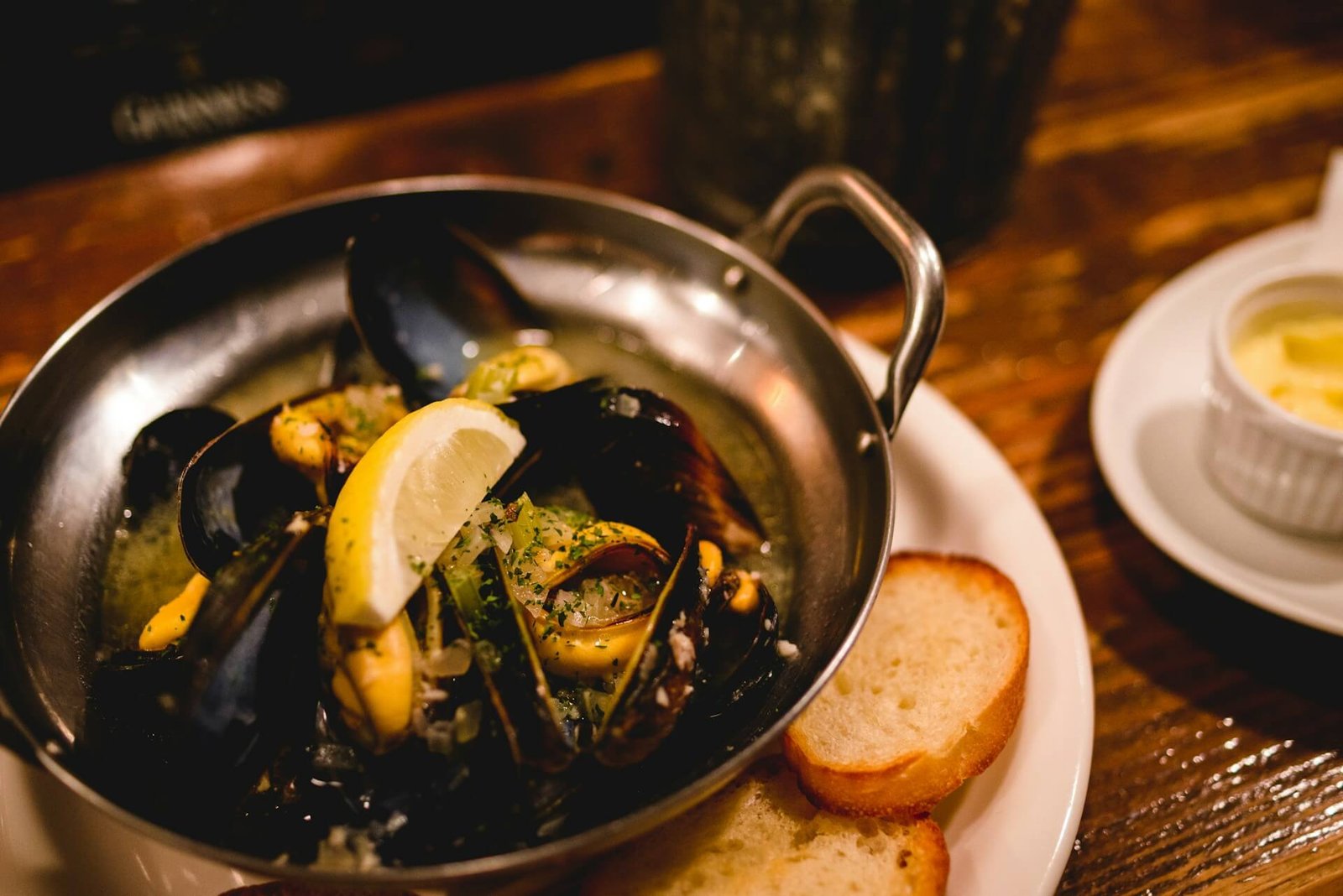
In Rovinj, where Venetian architecture meets the Adriatic, Restaurant Puntulina serves seafood just metres above the water, letting freshness and setting elevate the dish rather than heavy technique.
Restaurant Puntulina sits directly above the sea holding a wonderful view. Seafood dishes start from €50 onwards.
3. Kapešante (Scallops): Novigrad
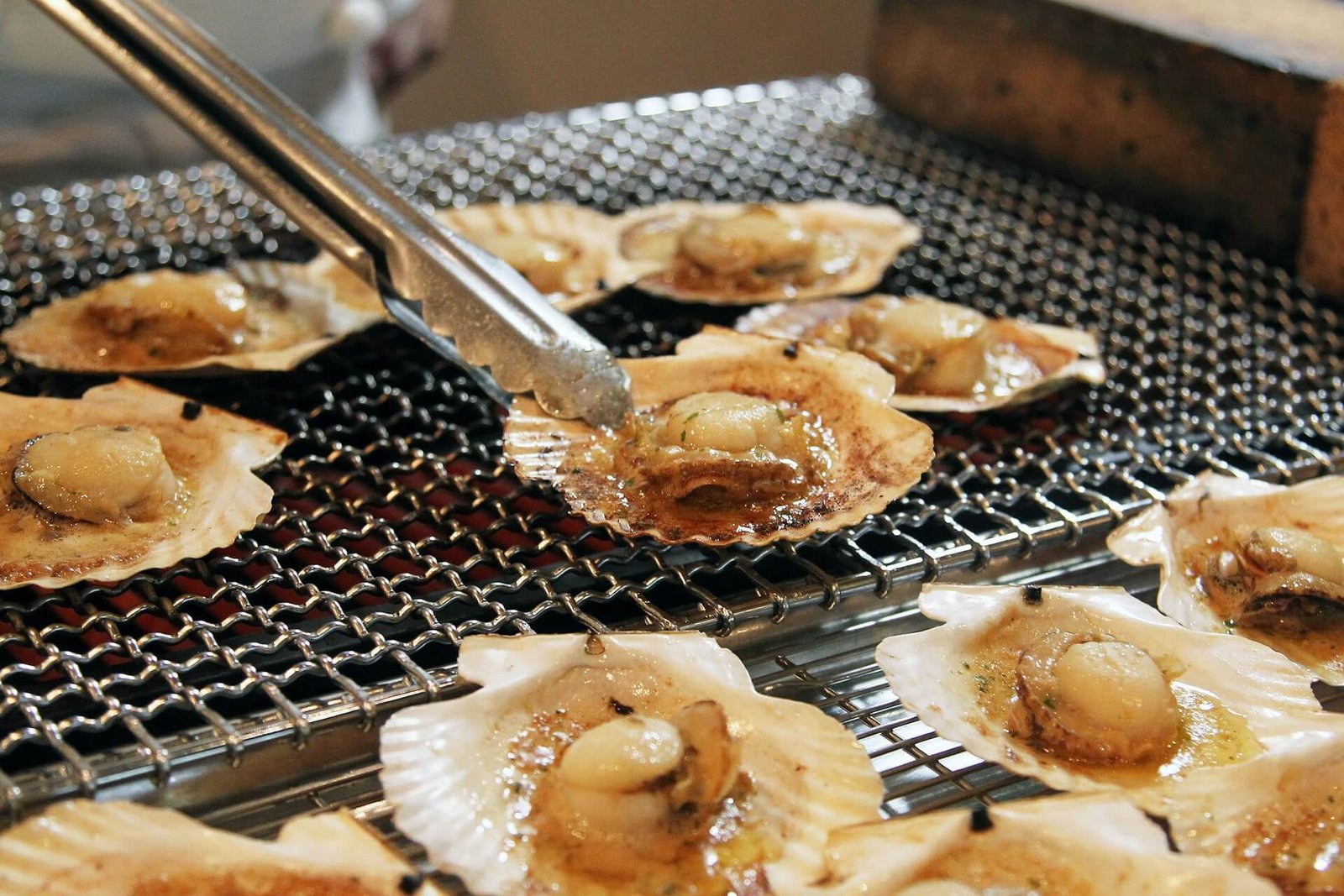
Known locally as kapešante, scallops are closely tied to Novigrad and the nearby Lim Bay, where calm waters create ideal growing conditions.
Traditionally grilled or barely dressed, they reflect Istria’s wider seafood philosophy: minimal intervention, maximum respect for the ingredient.
At Restaurant Viking, scallops are prepared simply to showcase their natural sweetness, a point of pride for the region’s maritime culture. Individual scallops are usually priced at around €4.50 each.
4. Istrian Pršut: Vodnjan
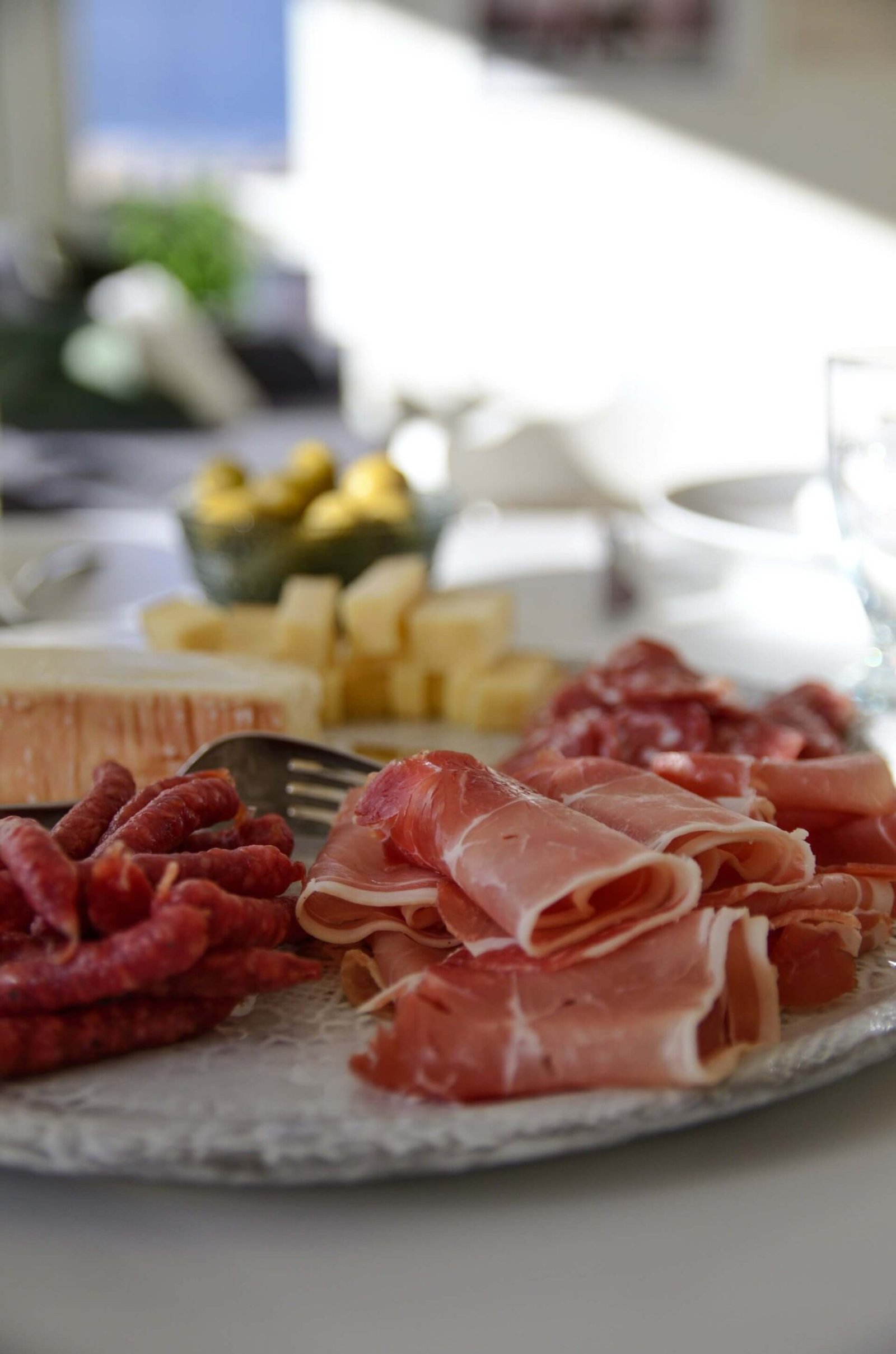
Istrian pršut (prosciutto) tells the story of preservation shaped by climate. Unlike smoked versions found elsewhere, it’s air-dried using the cold northern bora wind, resulting in a lighter, cleaner cured meat. Thinly sliced and often paired with local cheese or olive oil, it remains a centrepiece of family gatherings and celebrations.
In Vodnjan, Stancija Buršić continues the traditional production of pršut, serving it as it has been enjoyed for generations.
‘Unlike Italian prosciutto, Istrian pršut is typically cured with sea salt before being air-dried in the strong northern bura wind,’ says Hrelja. ‘It’s less sweet and more robust – it tastes like the landscape.’
5. Traditional Maneštra: Hum
Maneštra is Istria’s most humble and enduring dish – a hearty soup made from beans, seasonal vegetables and often corn.
Born from rural kitchens where nothing went to waste, it varies slightly from village to village.
In Hum, often described as the world’s smallest town, Humska Konoba serves maneštra as honest comfort food, reflecting the agricultural roots that still shape Istrian cuisine.
Portions typically start from around €6.
6. Boškarin Carpaccio: Vižinada
Boškarin, the indigenous Istrian ox, once powered farming across the peninsula before nearly disappearing in the late 20th century.
Its revival has turned it into a symbol of regional identity and protection. Served as carpaccio, the meat’s delicate texture and subtle sweetness are allowed to shine without distraction.
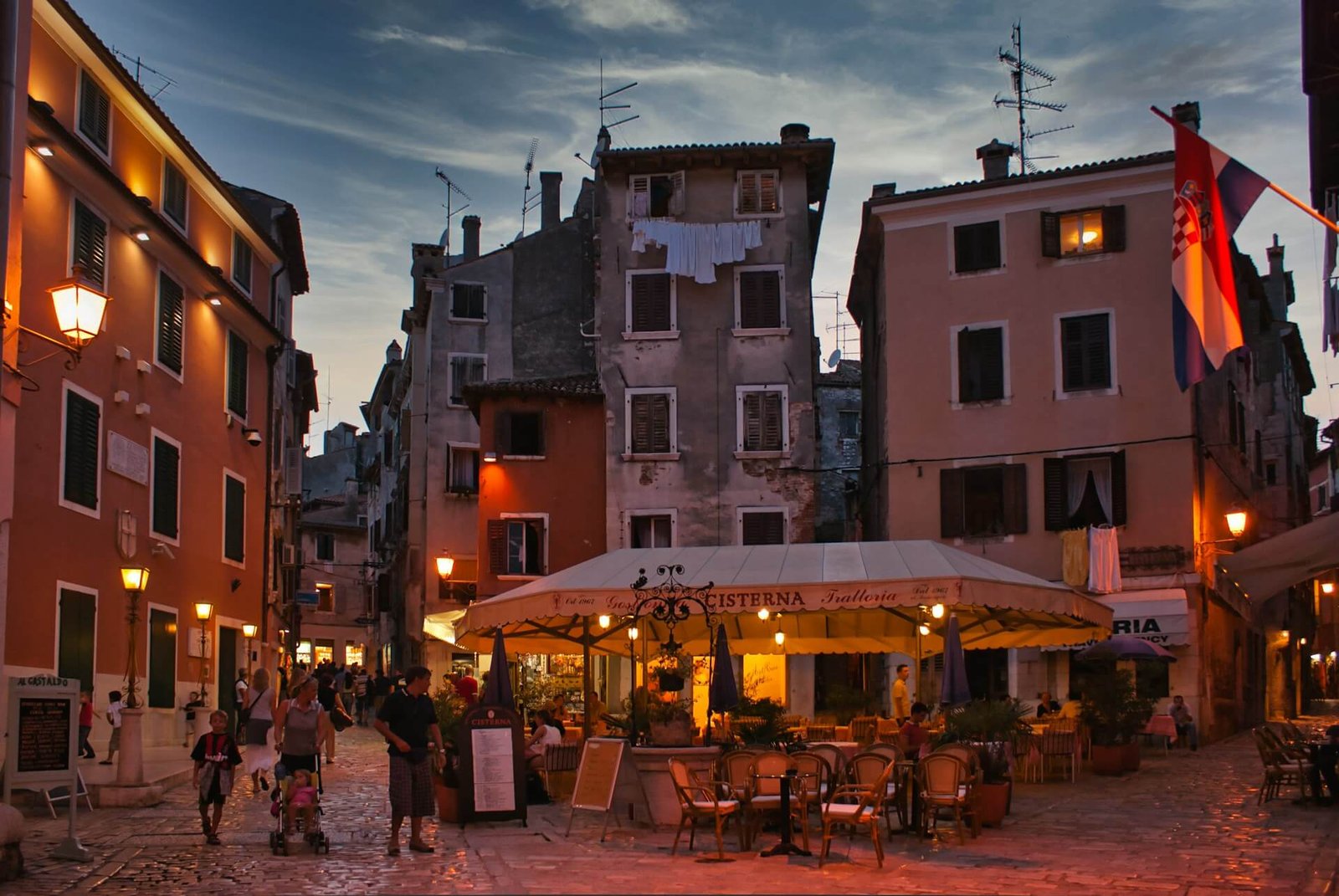
At Konoba Jadrugi, boškarin is treated with respect, linking modern dining with centuries of rural tradition.
In Istrian konobas and restaurants, boškarin dishes with pasta (like fuži or šurlice in a rich stew or ragu) typically start at around €13 and go upwards, while steak cuts usually begin in the €30 range and can climb higher depending on the cut and portion size.
‘Boškarin was nearly extinct before local efforts revived it,’ says Hrelja. ‘It’s now a symbol of Istrian identity, and when it’s cooked slowly with homemade pasta, the flavour is deep, complex, and totally unique to this region.’
Food in Istria | Final Thoughts
From its rugged coastline to lush green hills, Istria forms a complete gastronomic region with a unified culinary identity. Its gastronomic strength rivals the best food regions of Italy – Piedmont’s truffles, Tuscany’s wines – yet remains refreshingly undiscovered.
For travellers seeking authentic regional cuisine beyond the crowded Mediterranean mainstream, Istria is the answer.
You May Also Like
Savouring Tradition: Embarking on a Parma Ham Tour from Bologna
13 Unique Things to Do in Split, Croatia
28 Traditional Balkan Dishes Not to Miss
If you like this article and would like to support my work, please click the button above to donate a couple of bucks and buy me a coffee. The revenue that I receive on this website is minimal, so support from my readers enables me to keep creating content that you (hopefully!) love to read.
Disclaimer: Travelling Jezebel contains affiliate links. If you make a purchase on a recommended site, I may make a small commission at no extra cost to you.
