If you love books as physical objects just as much as what’s written inside them, George Bayntun is one of the most special places to visit in Bath.
George Bayntun is one of the most famous bookbinderies in the world, home to the Bayntun-Rivière bindery, which has been hand-binding and restoring books since 1829 and is one of the last of its kind anywhere in the world.
During my recent trip to Bath, I knew I had to pop in for a look around, and in this post I’m going to tell you all about it: the history of the business and the building it’s housed in, what you can expect to see and do inside, practical visiting information, and my honest thoughts on whether it’s worth visiting if you only have limited time in the city.
Are you ready? Then let’s get into it.
George Bayntun, Bath – Is it Worth Visiting?
Before we get into my own visit, it’s worth knowing that this isn’t a museum or a tourist attraction. George Bayntun is a working bookbindery and antiquarian bookshop, doing exactly the same work it was founded to do over 130 years ago, which is a huge part of what makes visiting feel so magical.
The History of George Bayntun
The bindery traces its roots back to two separate businesses.
Robert Riviere founded his bookbinding firm in Bath in 1829, while George Bayntun, born locally in 1873, served his own apprenticeship before setting up his own bindery nearby in 1894, first in Northumberland Place, then later in larger premises on Walcot Street.
In 1920, Bayntun purchased the bookselling business of George Gregory, adding a bookshop to his binding operation, and in 1939 the two firms finally merged, moving into the Manvers Street building the business still occupies today, under the name Bayntun-Riviere.
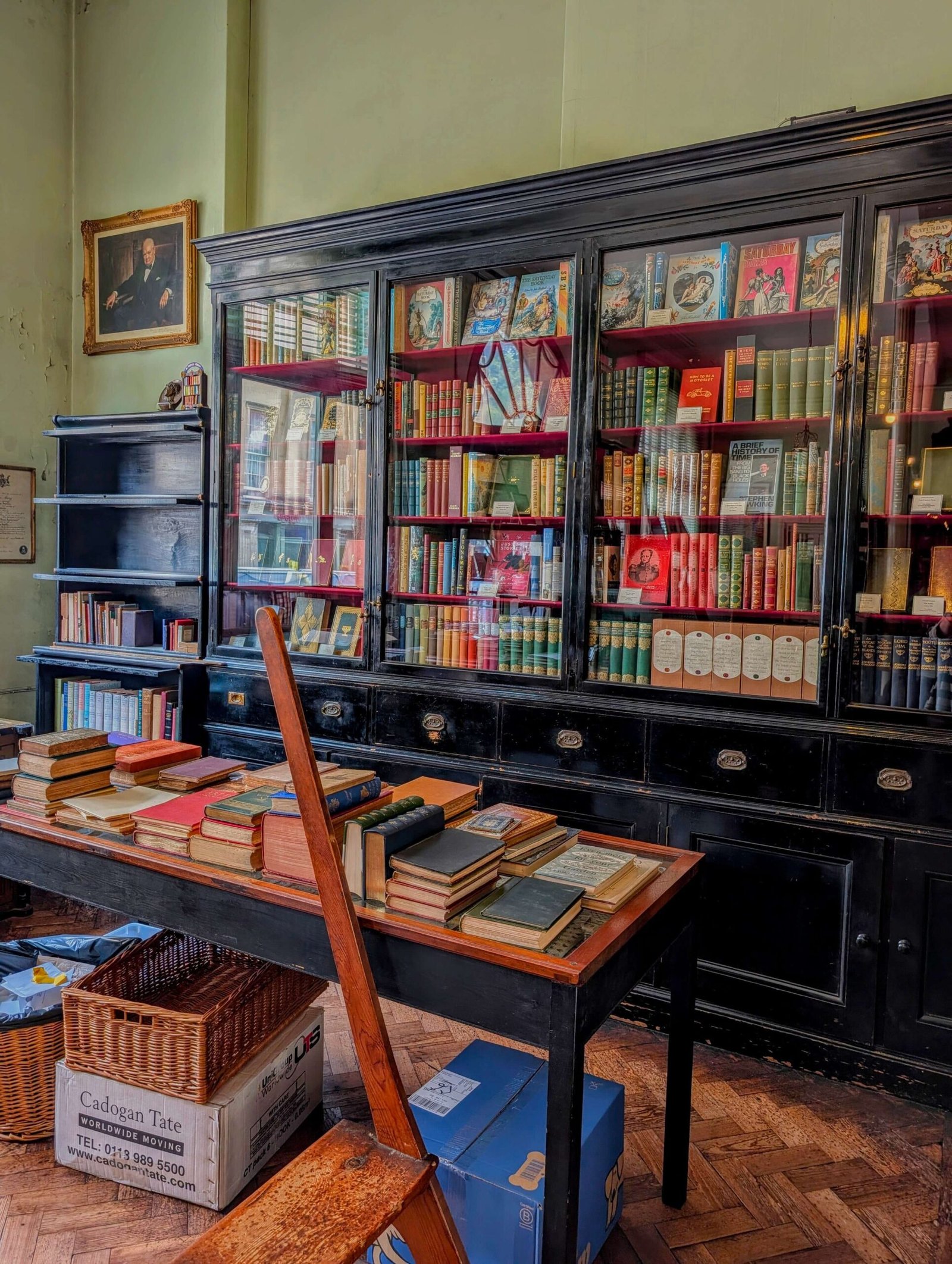
The building was originally Bath’s Post Office sorting office, and the bindery’s craftsmen still work at the very same benches once used to sort the city’s mail.
Bayntun’s reputation for quality, old-fashioned, entirely hand-done craftsmanship (he was notoriously resistant to the machine binding techniques other firms were adopting at the time!) eventually earned the firm royal recognition.
Queen Mary, who spent much of the Second World War nearby at Badminton House, became a frequent and enthusiastic customer, and in 1950 granted Bayntun-Riviere a Royal Warrant. Her coat of arms is still displayed above an inner door leading to the shop’s main staircase.
Today, Bayntun-Riviere is recognised as the last of the great Victorian trade binderies still in family ownership (it’s currently in its fourth generation), and it continues to bind entirely by hand, just as George Bayntun insisted on from the very beginning.
The Bindery
Behind the shop, a team of skilled bookbinders and restorers still work using traditional hand techniques, repairing, rebinding, and creating brand new fine leather bindings for customers and institutions worldwide.
The workshop reportedly holds the largest collection of binding hand tools and blocks in the world (more than 15,000 of them!), some of which date back to the 18th century and are still in regular use today.
They use only the finest materials for their books. For example, the edges of all of their bindings are gilded by hand using 23½ct gold, and they have a range of over 40 colours of premium quality goat and calf skins, as well as a vast selection of hand-marbled papers.
Depending on when you visit, you may be able to see the bindery team at work from the shop, hunched over the benches, gold-tooling covers or carefully re-backing a centuries-old spine.
It’s a really rare thing to witness a trade like this still being practised exactly as it always has been rather than as a recreated demonstration for visitors, and although I felt a bit awkward gawping through the glass windows, I’m still glad I managed to catch a glimpse!
The Shop
The shop itself spans three floors, and each one has a distinctly different feel.
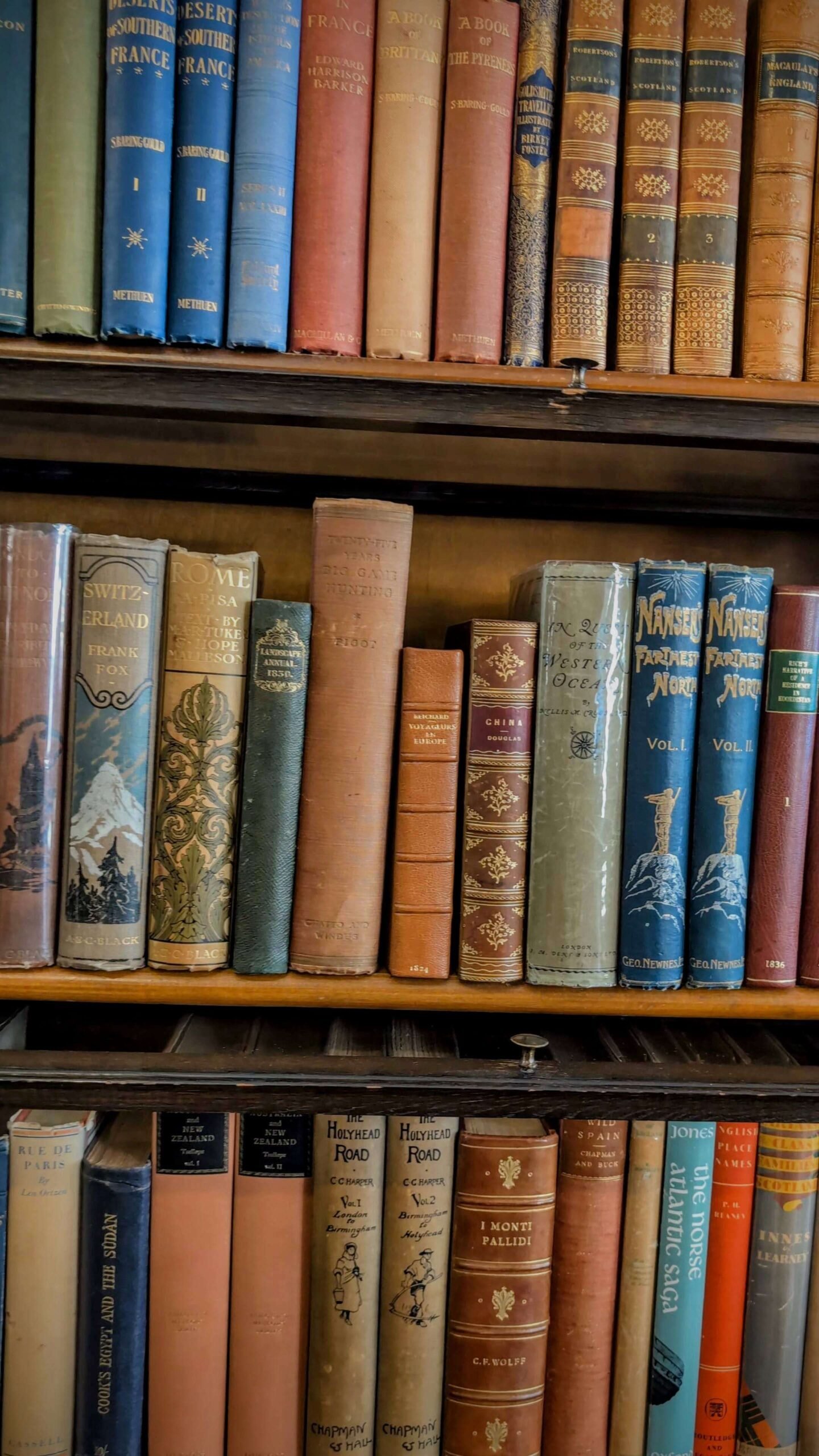
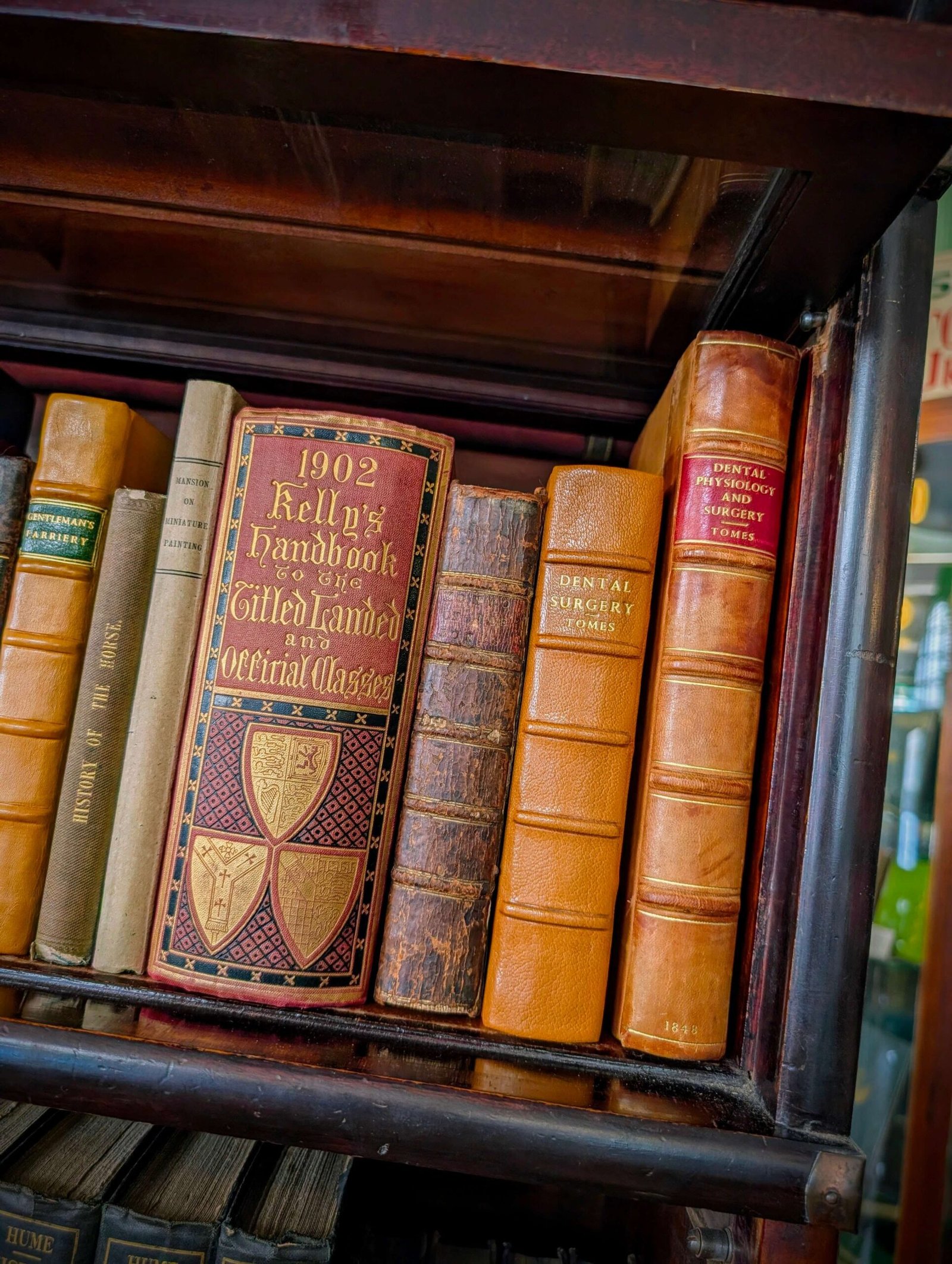
On the ground floor, you’ll find George Bayntun’s finest stock: luxuriously-presented rare, first, and illustrated editions, and antiquarian books dating back up to 500 years!
You can also see exquisite examples of the bindery’s own work, including elaborately tooled leather covers, gilt lettering, and the occasional Cosway-style binding featuring hand-painted miniature portraits set beneath glass on the front cover. There are also intricate maps, illustrations, and various other ephemera available to purchase.
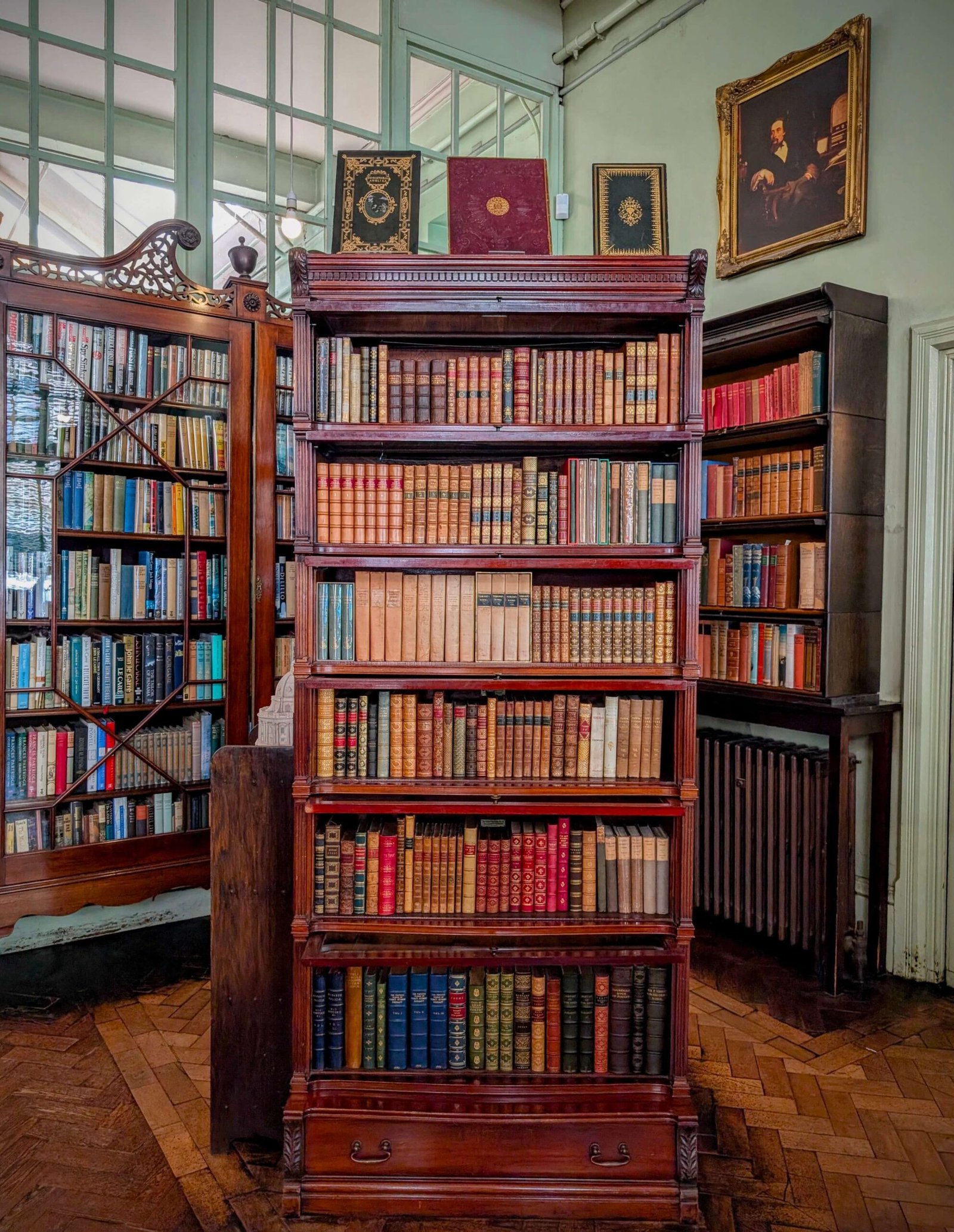
If you like looking at books, and are someone who fantasises about spending your evenings in the library at Hogwarts or some other dark academia setting, you’ll be in your element here. I knew that I wasn’t going to buy anything (their new bindings cost hundreds of pounds), but I still really enjoyed looking around at the beautiful pieces on display.
The décor is also stunning, and pretty much unchanged since 1938, at which time most of the furniture was already antique!
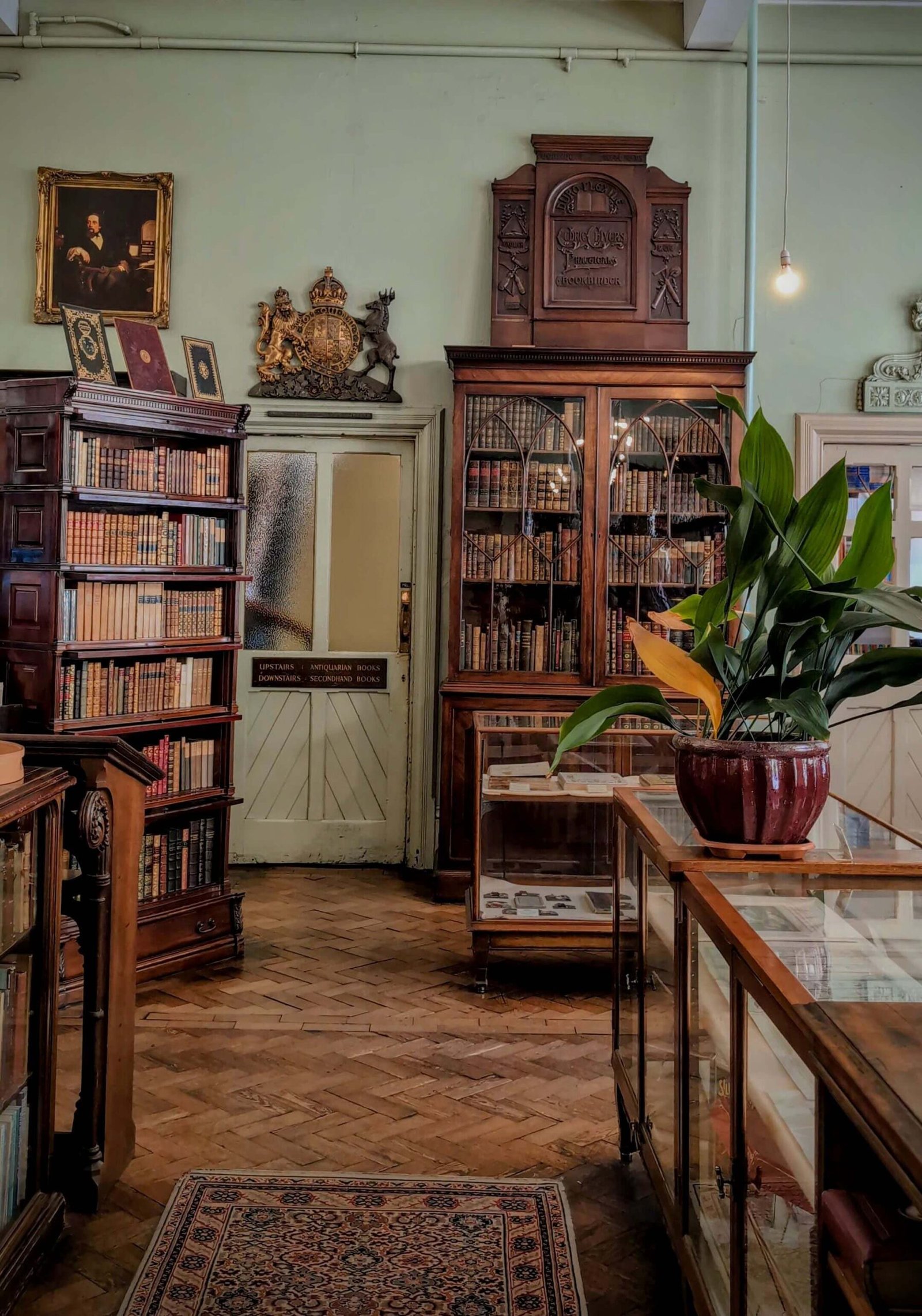
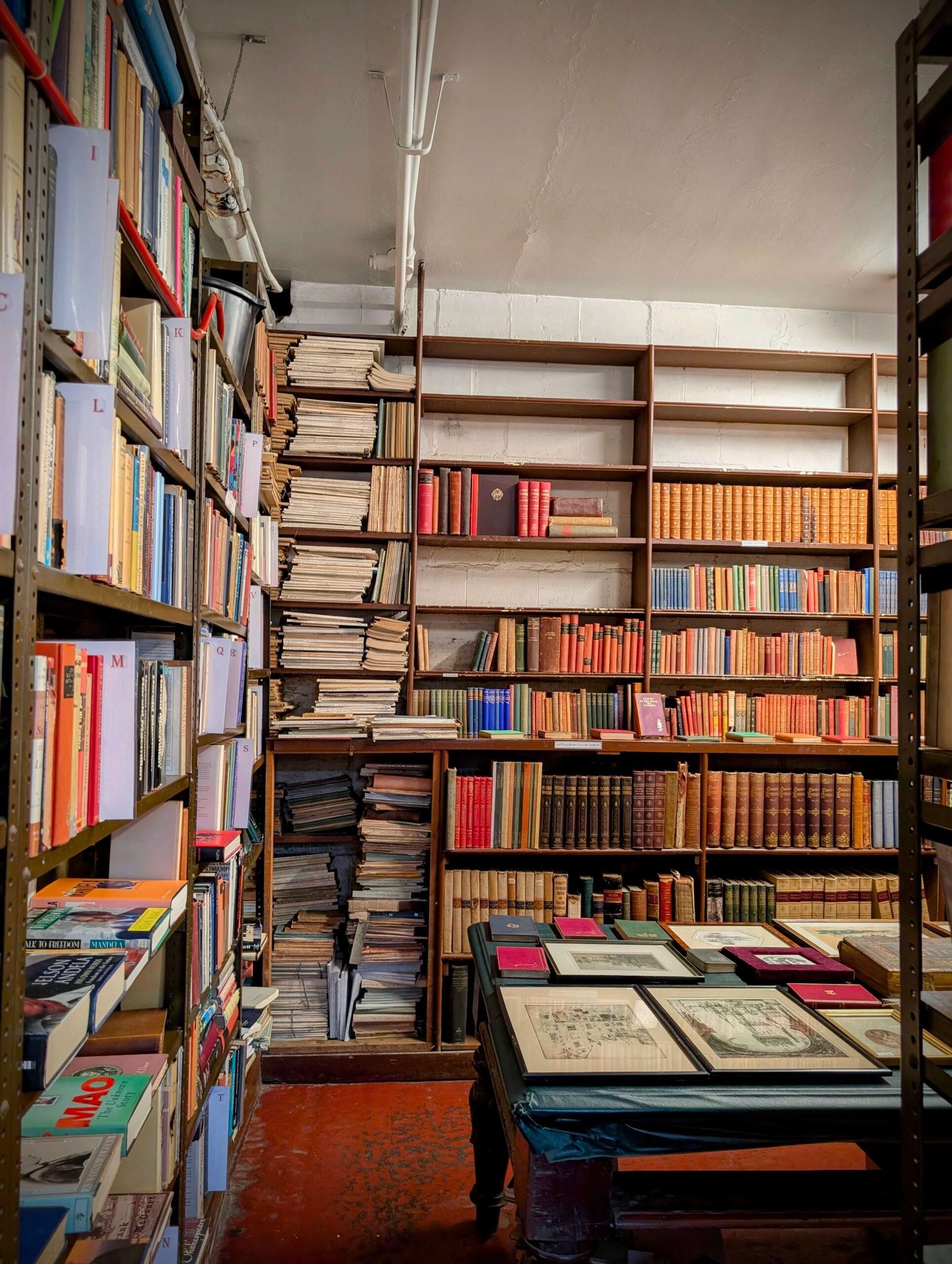
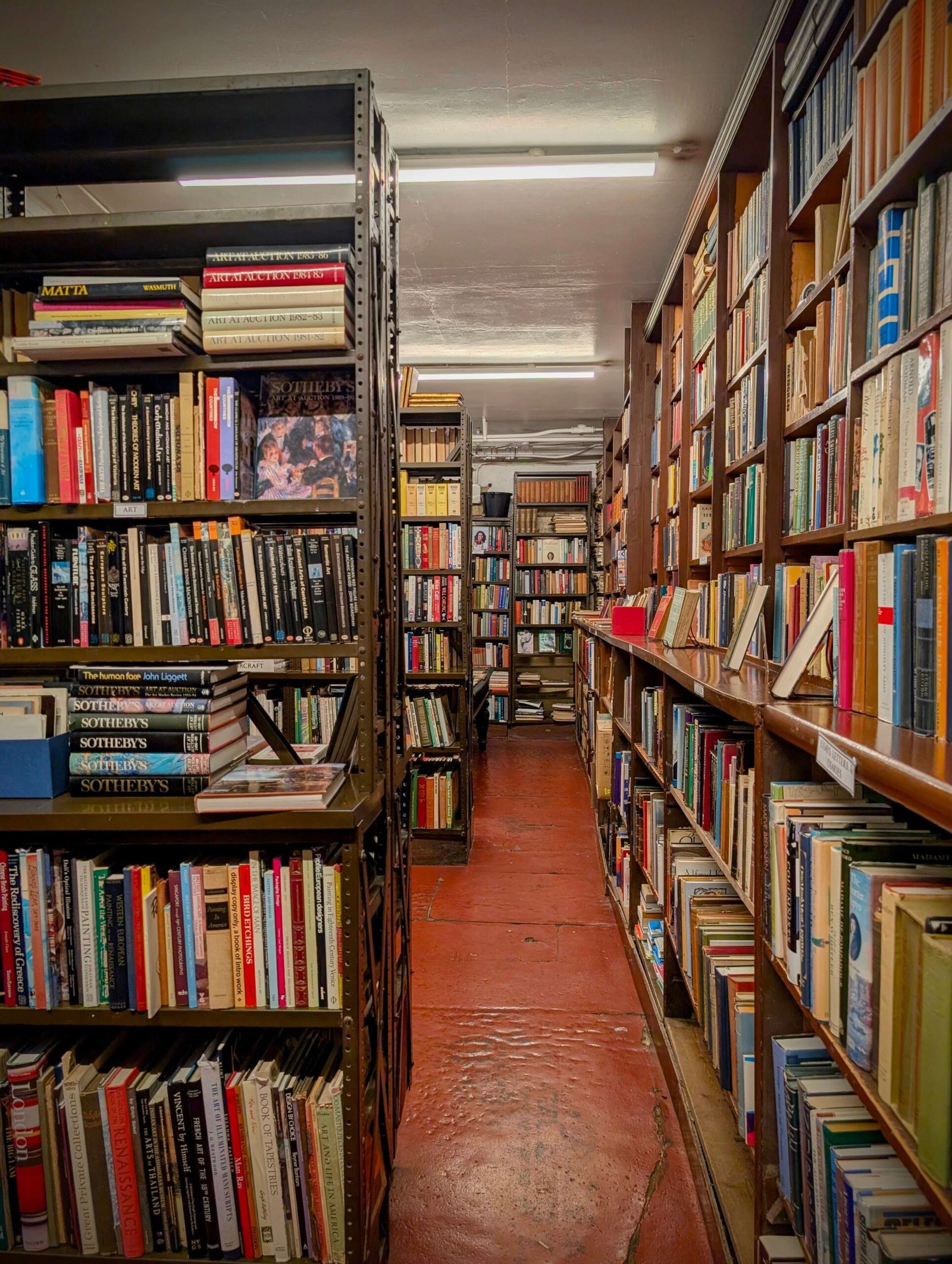
If you love rummaging for second-hand treasure like me, you’ll want to head to the basement.
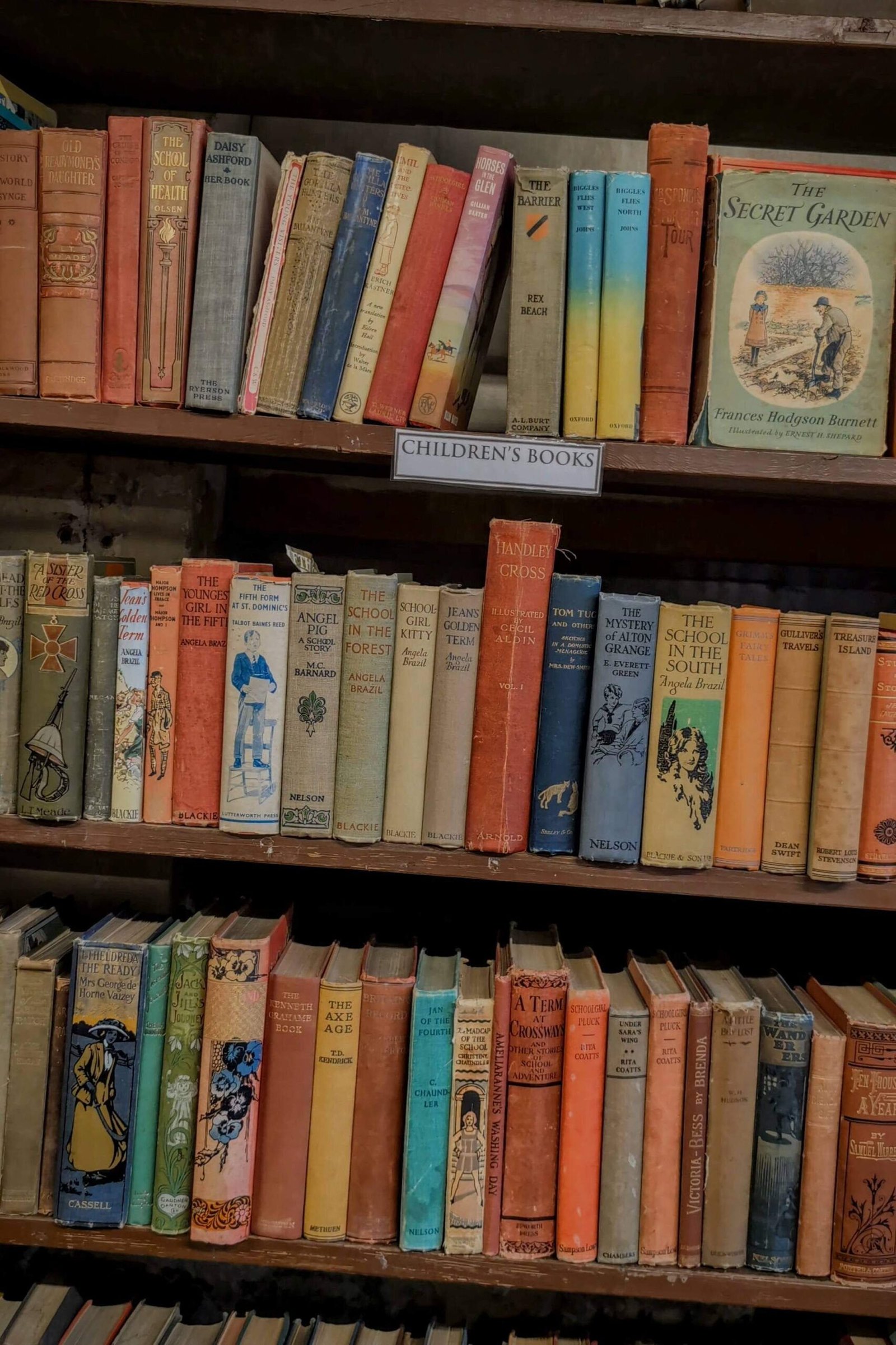
There, you’ll find second-hand and antiquarian books of every description: old children’s books, stunning Folio Society editions, stacks of old magazines and newspapers, and tonnes of local history books.
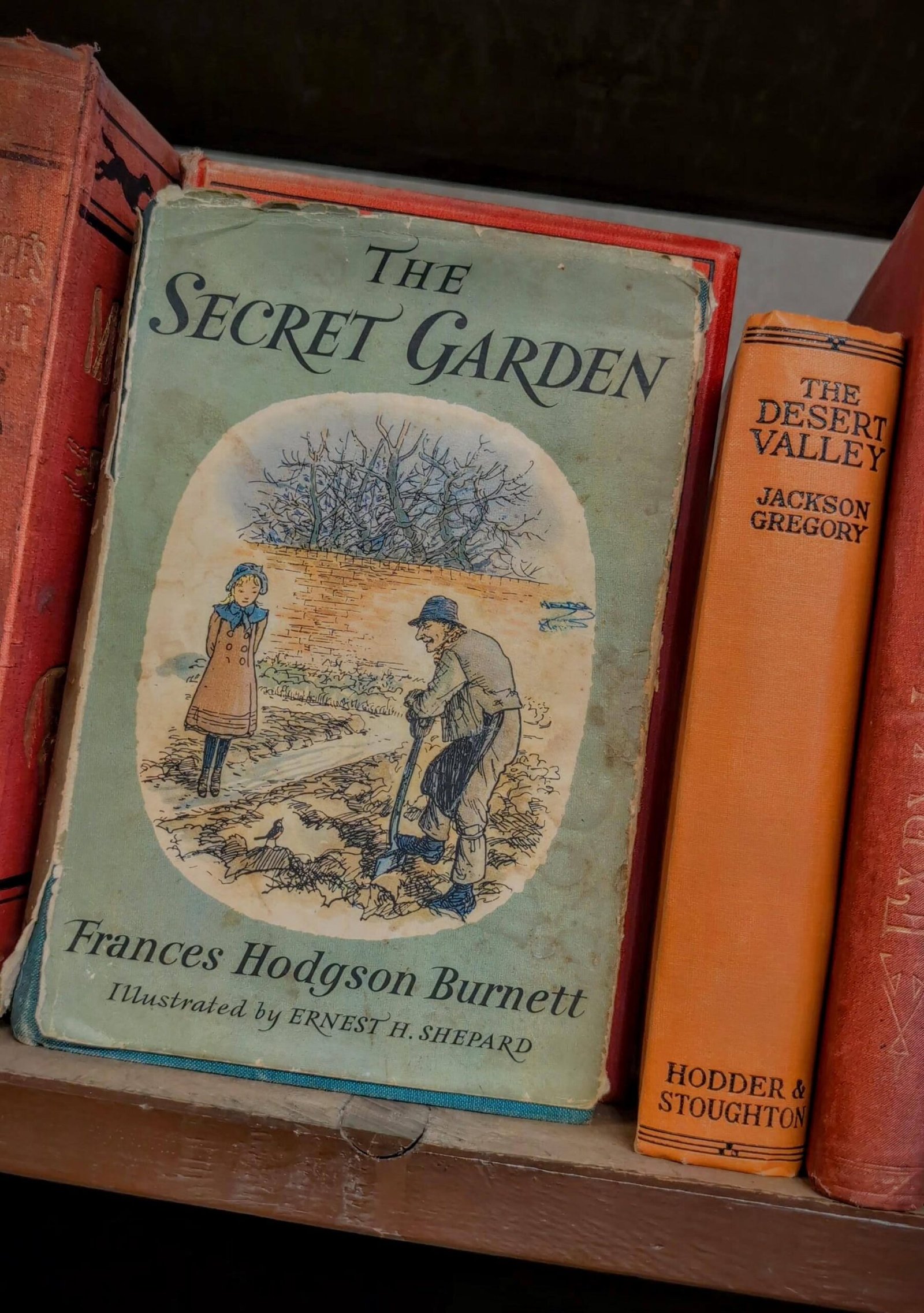
Despite the sheer volume of stock, everything is super well-organised, and it never felt overwhelming or chaotic in the way some second-hand bookshops can (I personally love those kind of shops, but I know that they aren’t for everyone).
The whole place has a wonderfully calm, peaceful atmosphere, with quiet rooms, old wood, and the kind of hush that makes you want to speak in a whisper even though nobody’s asked you to (seriously, I was self-conscious of how loud my footsteps sounded!).
It’s a world away from the most popular tourist attractions in Bath and it really feels like it could be one of Bath’s best-kept secrets (for book lovers, at least).
Know Before You Go
Because this is a working business rather than a museum, don’t go expecting an interactive exhibition, information panels, or a gift shop selling branded merchandise – the main appeal is the atmosphere, the stock, and the rare glimpse of a dying trade still being practised properly.
It’s also worth knowing that Bayntun-Riviere keeps fairly traditional weekday trading hours (more on that below), and typically closes for lunch, so it’s not somewhere you can just turn up to at any time.
Opening hours
George Bayntun is open Monday to Friday between 9:00am – 1:00pm, and again from 2:00pm to 5:00pm.
It is closed on Saturdays, Sundays, and bank holidays.
How to get there
It’s a short, flat walk from Bath Spa railway station, just a couple of minutes in the direction of the city centre, which makes it an easy one to fit in right at the start or end of a day exploring Bath.
George Bayntun address: 23 Manvers Street, Bath BA1 1JW (Google Maps link).
You can check their website for more information.
George Bayntun Bath | Final Thoughts
George Bayntun is one of those rare places that feels untouched by time, and if you’re a bibliophile, you’ll undoubtedly find it fascinating to see the book binders at work, exactly as they would have been more than a century ago.
Between the elegant rare editions upstairs and the second-hand treasure trove in the basement, there’s something here for every kind of book lover.
If you’re the sort of person who finds solace in old bookshops and libraries, or you just want to see a genuinely dying craft still being kept alive by hand, I’d say this is an unmissable stop on any bookish trip to Bath.
That’s all I have for today, but as always, if you have any questions then let me know in the comments below, and if you’re planning a trip to Bath, you might want to check out my list of 15 Bookish Things to Do in Bath!
Until next time,
XOXO

![The Medical Museum Copenhagen – Copenhagen’s Most Macabre Museum? [Medicinsk Museion]](https://travellingjezebel.com/wp-content/uploads/2026/03/PXL_20250208_141756440.NIGHT-1-768x1024.jpg)