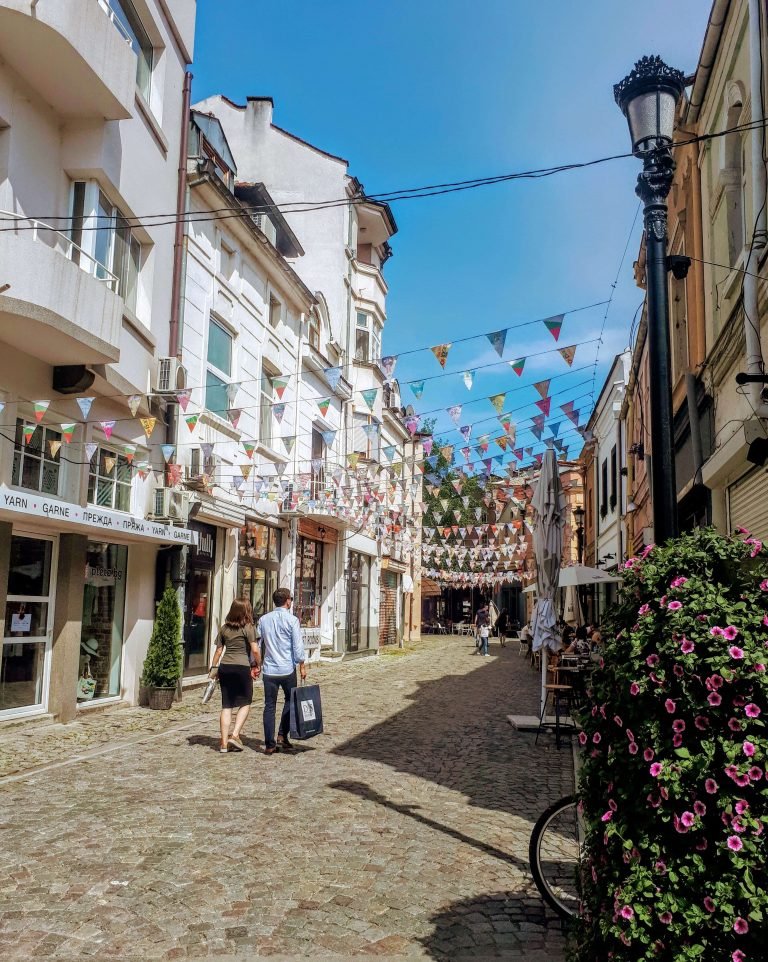
Copenhagen isn’t short on quirky museums (and I should know – I ticked off as many as I could during my 10-day visit!) but few have quite the reputation of the Medical Museion (officially Medicinsk Museion).
Tucked inside a grand 18th-century academy building, the museum is home to shelves of preserved organs, human skulls, malformed foetuses, and an anatomical theatre where generations of surgeons once learned their trade on real cadavers.
I love anything a little macabre, and when I heard about some of the exhibits in the Medical Museum Copenhagen, I knew I had to pay a visit.
In this post, I’m going to share my full review of the Medical Museum Copenhagen. We’ll get into the history of the building itself, what’s inside (and how graphic it really gets), practical information on tickets and opening times, and my honest opinion on whether it’s worth visiting.
Are you ready? Then let’s get into it.
Note: In this article, I’m going to be using the terms ‘museum’ and ‘museion’ interchangeably. The institution itself spells it the latter way, but as most English speakers are searching for the classic spelling, I’m going to use both versions of the spelling.
The Medical Museum Copenhagen – Is it Worth Visiting?
Before we get into the exhibits themselves, it’s worth knowing that this isn’t a museum built for tourists in the way most of Copenhagen’s attractions are.
The Medicinsk Museion is a working part of the University of Copenhagen still used for lectures, doctoral defences, and academic research, and you won’t find as many interactive or creative parts of the exhibit as you would in other Copenhagen museums (like the Museum of Danish Resistance, for example).
With that being said, if you’re genuinely curious about the human body and medical research, you will likely find this museum fascinating, as I did.
The History of the Building
The Medicinsk Museion is housed in a Neoclassical building on Bredgade, designed by architect Peter Meyn and completed in 1787 as the Royal Academy of Surgeons, a dedicated school for training surgeons at a time when surgery and general medicine were still taught separately in Denmark.
In 1842, the Academy merged with the University of Copenhagen’s Faculty of Medicine, and the building became the centre of Danish medical education for the next century. Generations of medical students sat through lectures and watched live dissections in the building’s original anatomical theatre, a horseshoe-shaped room built specifically so a packed room of students could watch a demonstration unfold on the table below.
By the mid-20th century, growing student numbers meant medical teaching moved to newer facilities elsewhere in the city, and by 1969 the old Academy building had been fully handed over to what was then called the Medical-Historical Museum. It was renamed Medical Museion in 2004 to better reflect its role as a research-active university museum rather than a static historical collection.
The Collection
The Medical Museum Copenhagen holds somewhere between 150,000 and 250,000 individual artefacts (the exact count depends on how you define an artefact), making it one of the largest medical history collections in Europe, alongside extensive archives of historical documents, photographs, and books dating back to the early 17th century.
Only a fraction of that collection is on display at any one time, spread across a rotating programme of exhibitions, so what you see can vary depending on when you visit.
The Body Collected
The exhibition most people come specifically to see is The Body Collected, a display bringing together centuries of preserved human material: shelves of glass jars containing organs, bones, tissue samples, and skeletons,
Something I found incredibly interesting was a section on disease, where organs with cancer and other diseases were displayed. It might sound silly, but I’d never really thought about what cancer ‘looks like,’ so it was interesting to physically see it like this.
You can even see biopsies, cells, and DNA, preserved in special biobank freezers.
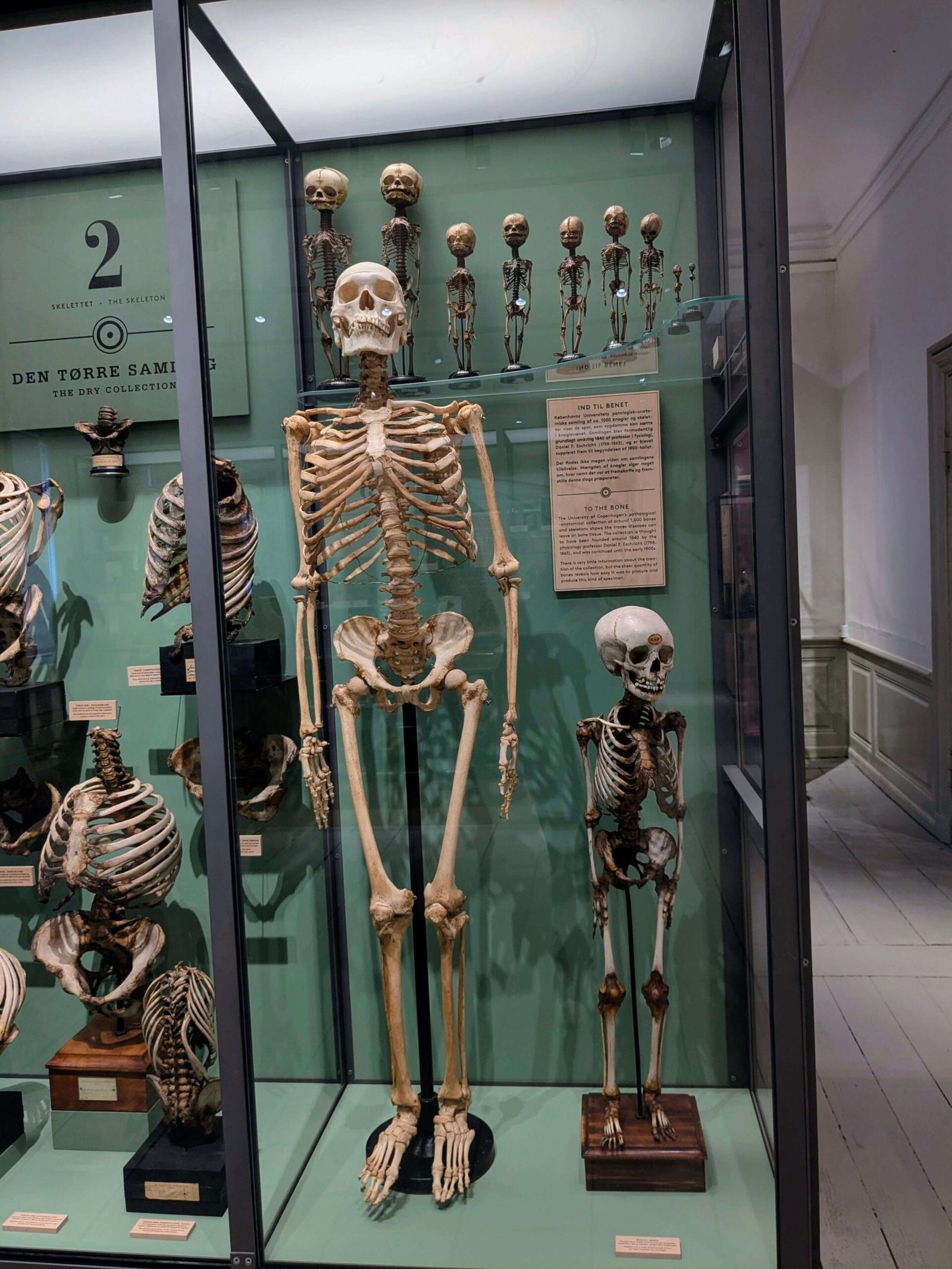
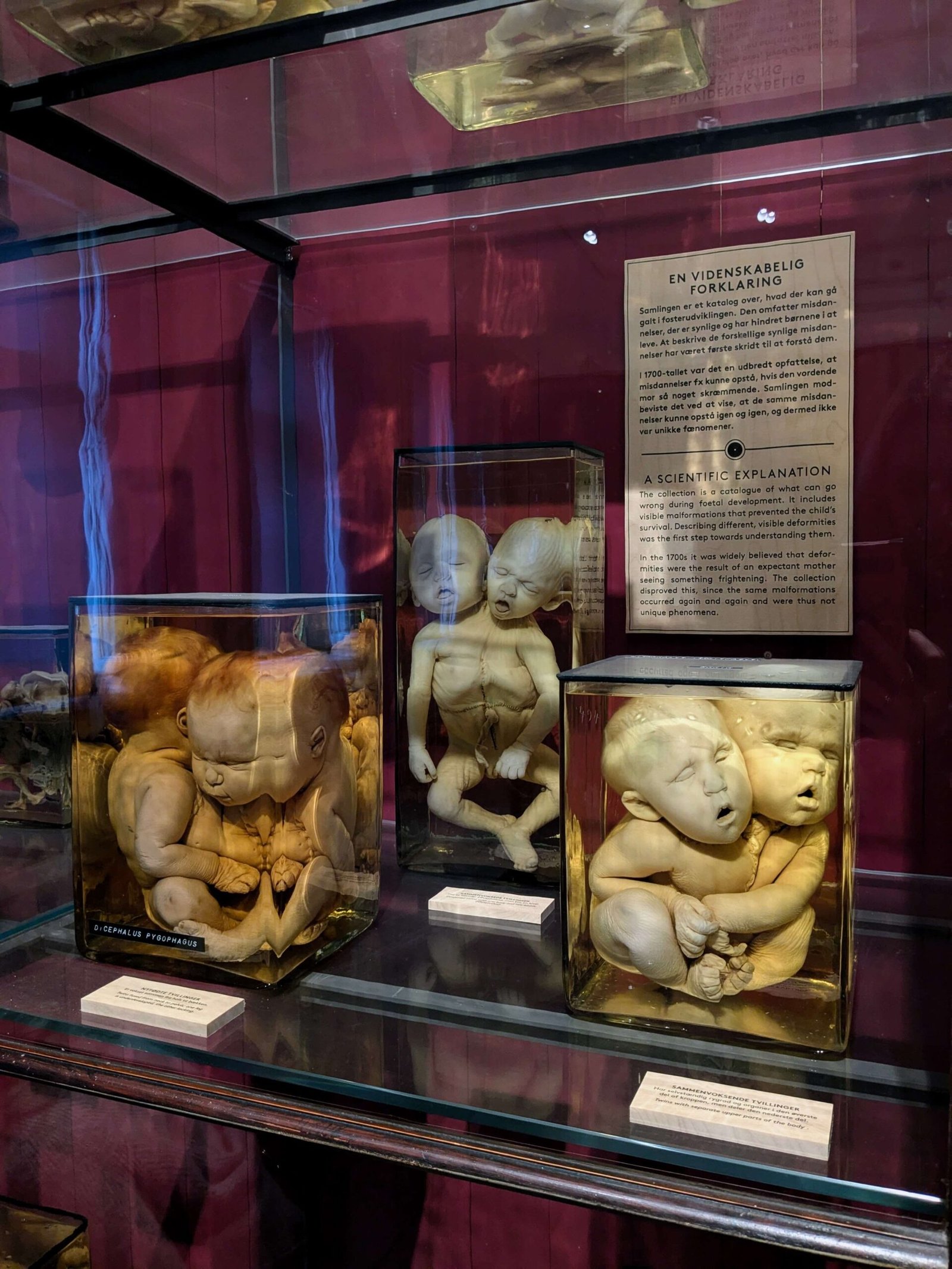
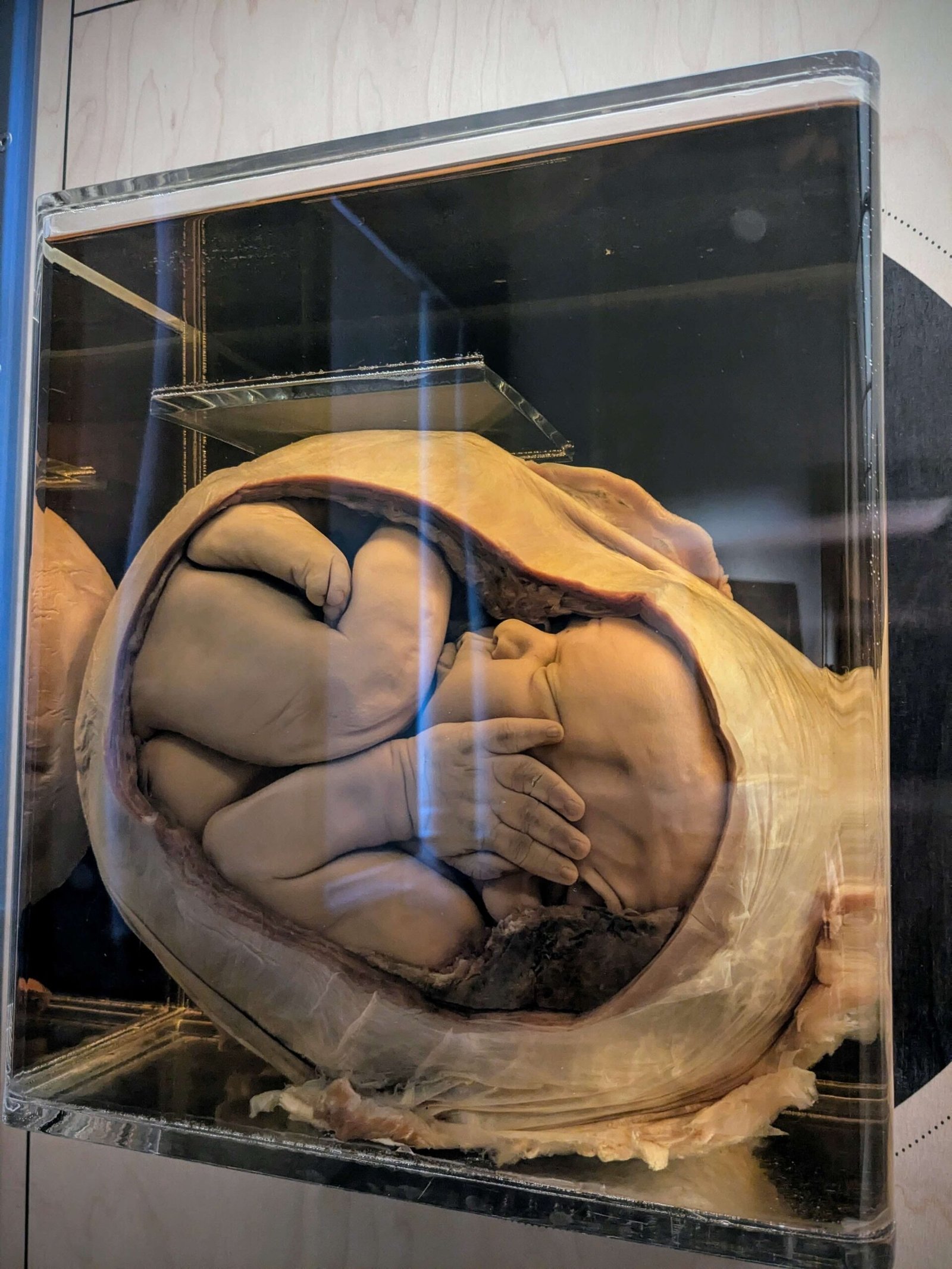
Perhaps the most famous (or infamous) section of this exhibit is a notable and rather unsettling collection of preserved foetuses, many originally used to train generations of obstetricians and gynaecologists.
It’s not for the squeamish, but I certainly found it eye-opening. I also found it interesting to see the various stages of gestation – we’ve all seen cartoonish images in textbooks, but it was sobering to see actual foetuses at almost every stage of development.
It almost goes without saying that this may be a triggering exhibit to some people, especially those with experience of terminations or miscarriages. I’ve never been through anything like that, but I still found it quite an emotional experience, and nobody could ever accuse me of being maternal!
The Anatomical Theatre
At the heart of the building sits the original 18th-century anatomical theatre, with steep, curved wooden benches rising around a central table where dissections once took place in front of packed rows of students.
The theatre is still in use today for public lectures, academic events, and even the occasional doctoral defence, which gives it a different feel to most preserved historical rooms – you’re not simply looking at a roped-off recreation, but a working space with two and a half centuries of continuous use behind it.
Mind the Gut, Psychiatry, and Corona
Beyond the headline exhibitions, the museum runs several smaller, more thematic displays. These exhibits apparently change, but I visited the Medical Museum over two years ago, and all of the displays I saw are still there today, so I’m not actually sure how frequently they change!
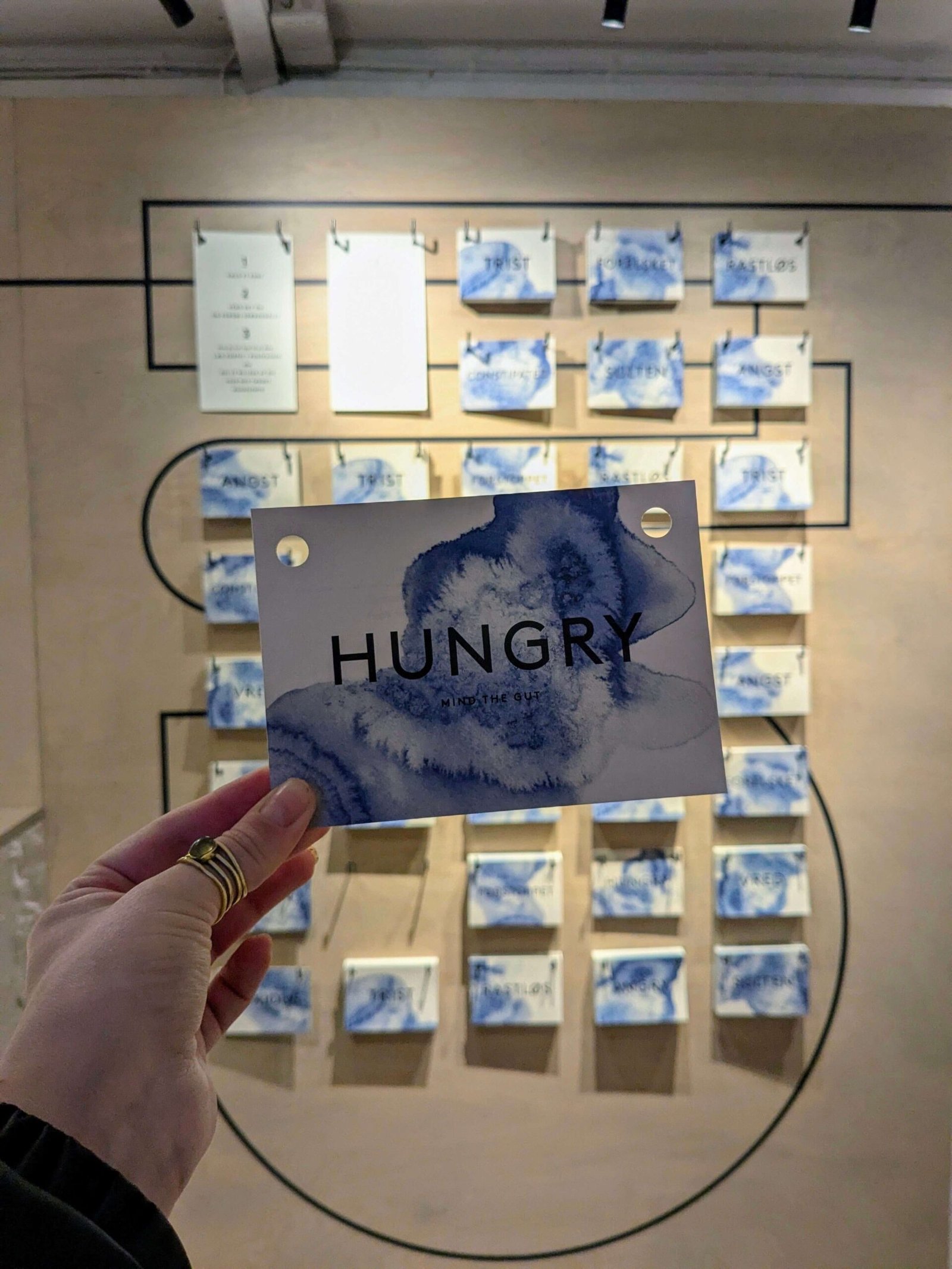
Mind the Gut is a fascinating exhibition that explores the complex relationship between the digestive system and the mind, and how doctors and researchers have tried to understand it. If you’ve ever had a ‘gut instinct’ or been told to ‘trust your gut,’ this exhibition will really put those experiences into context!
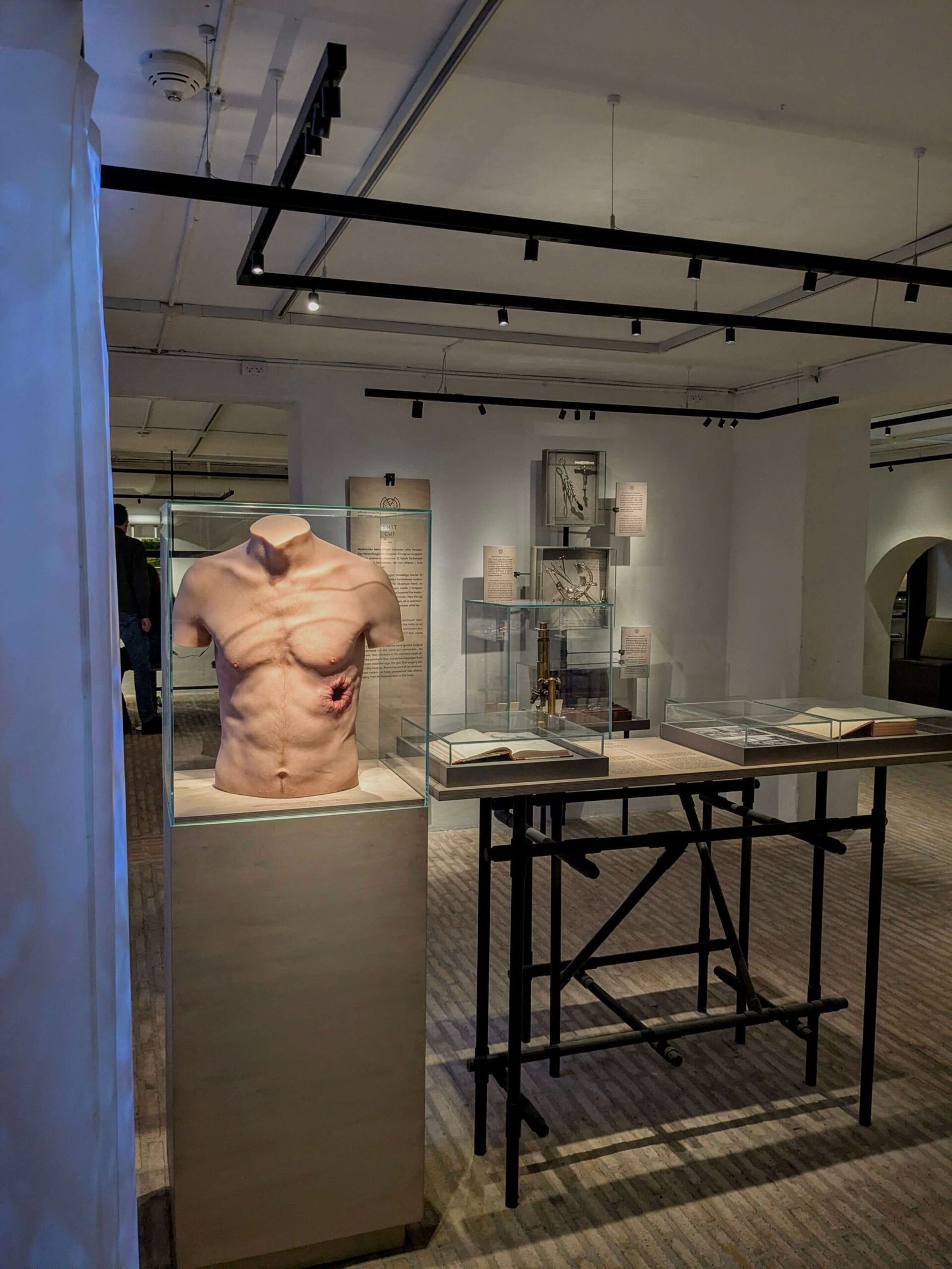
The Psychiatry Room houses straitjackets, restraint chairs, convulsion beds, electroshock devices, and even a box created to transport a brain!
It looks at the treatment of mental illness through the ages, and even though I’d seen most of the items in books and on television, it was quite striking to see them in the flesh, so to speak.
The exhibition named ‘Corona will also be history one day,‘ sounds pretty self-explanatory, but this also gave me a lot to think about.
It looks at how the pandemic affected daily life in Denmark, as well as a look into the development of vaccines and treatments. The most interesting part of this section for me was a display of a whole day’s consumption of rubber gloves from a COVID test centre – as you might imagine, it was a lot!
A Word of Caution
I’m going to be very direct here: Medical Museion is not for the squeamish. This isn’t a museum that softens its subject matter for a general audience; you will see very real human remains, preserved organs, malformed foetuses, and unflinching depictions of disease and its treatment throughout history.
The museum isn’t exploitative or sensationalist, but I’d still probably avoid it if you have a weak stomach or terms like ‘malformed foetuses’ make you wince.
The Medical Museum Copenhagen – Need to Know
Below is everything you need to know about opening times, entry fees, and accessibility at Medical Museion.
Please note that all information is correct at the time of publishing (September 2026), and that opening hours in particular shift between seasons.
Medical Museion Opening Times
- Tuesday to Friday: 10am to 5pm
- Saturday and Sunday: 11am to 5pm
- Closed Mondays
Medical Museion Ticket Prices
- Adult: 110 DKK
- Students: 70 DKK
- Children (7-17 years): 50 DKK
- Children under 7: Free
- Free for University of Copenhagen staff and students, ICOM and ODM members, and Copenhagen Card holders
As I had the Copenhagen City Card, I got to visit the Medical Museum for free as it was included in the price of the card.
If you’re planning on visiting a few museums while you’re in Copenhagen, I highly recommend purchasing one of these cards. Not only are over 40 museums and Copenhagen attractions included, but public transport is also included, which can get pricey in Denmark’s capital city.
You can also take the hop-on-hop-off bus with this card!
I visited a good six or seven of Copenhagen’s museums and took full advantage of the public transport system, so the card was more than worth it for me.
How to Get There
Medical Museion address: Bredgade 62, 1260 Copenhagen K (Google Maps link).
It’s an easy walk from central Copenhagen, and the Marmorkirken metro station (lines M3/M4) is only a few minutes away on foot.
Is Medical Museion Copenhagen Accessible?
Unfortunately, if you have mobility difficulties, the Medical Museum is not particularly accessible.
The museum is located in a listed building from 1787, and there is no elevator or wheelchair lift. The exhibitions are spread over three floors with stairs (some of which don’t have handrails).
The staff are trained to support people with hidden disabilities, and sunflower lanyards are available at the ticket desk.
Service dogs are welcome at the museum, but no other animals are allowed.
Best Time to Visit
Weekday mornings tend to be the quietest time to visit, giving you more space to actually read the (often quite text-heavy) exhibition panels without other visitors bunching up around the smaller display cases.
Medical Museum Copenhagen | Final Thoughts
So, is it Copenhagen’s most macabre museum? I’d say it’s certainly a strong contender.
Between the preserved foetuses, the psychiatric restraints, and a two-hundred-year-old anatomical theatre that’s still in active academic use, there’s a lot inside this museum to satisfy even the darkest of tourists.
However, this isn’t just macabre for macabre’s sake. The Medical Museum Copenhagen is a thoughtful, well-curated academic museum that directly addresses the ethical concerns around their displays.
If you’ve got a strong stomach and a genuine curiosity about the history of medicine, I’d say this museum is well worth a visit. Again, I recommend buying the Copenhagen City Card if you plan on exploring a few of Copenhagen’s museums and attractions, which you can buy by clicking the link.
That’s all for this one, but as always, if you have any questions then let me know in the comments below.
Until next time,
XOXO
If you like this article and would like to support my work, please click the button above to donate a couple of bucks and buy me a coffee. The revenue that I receive on this website is minimal, so support from my readers enables me to keep creating content that you (hopefully!) love to read.
Disclaimer: Travelling Jezebel contains affiliate links. If you make a purchase on a recommended site, I may make a small commission at no extra cost to you.