
Why Greece Is One of the Most Overlooked Biblical Travel Destinations
When people think about biblical travel, the first places that usually come to mind are Palestine or Rome.
Greece rarely enters the conversation, which is a bit strange when you consider its history. Long before Christianity spread across Europe, some of the earliest Christian communities were forming in cities that still exist across modern Greece.
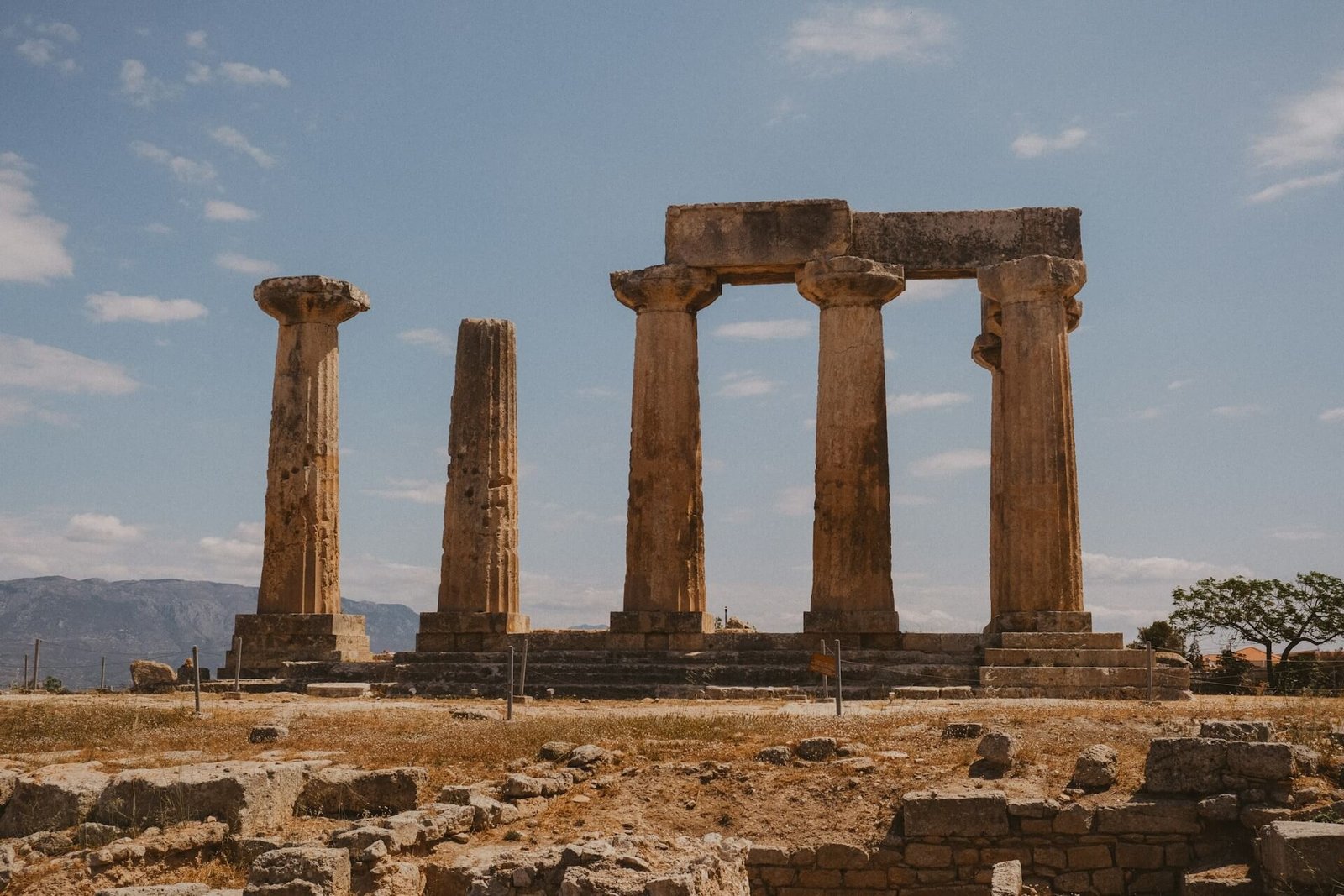
Today, travellers can walk through the same streets where the Apostle Paul once preached, debated philosophers, and wrote letters that would later become part of the New Testament.
However, compared with other pilgrimage destinations, Greece still feels strangely overlooked, which is part of what makes it so fascinating.
Why Greece Is One of the Most Overlooked Biblical Travel Destinations
Following the Footsteps of the Apostle Paul
Much of Greece’s biblical importance comes from the missionary journeys of Paul the Apostle in the first century.
After leaving Asia Minor, Paul travelled through several Greek cities while spreading the Christian message across the Roman Empire. His journeys through the region are described in the Book of Acts and mentioned in letters written to early Christian communities.
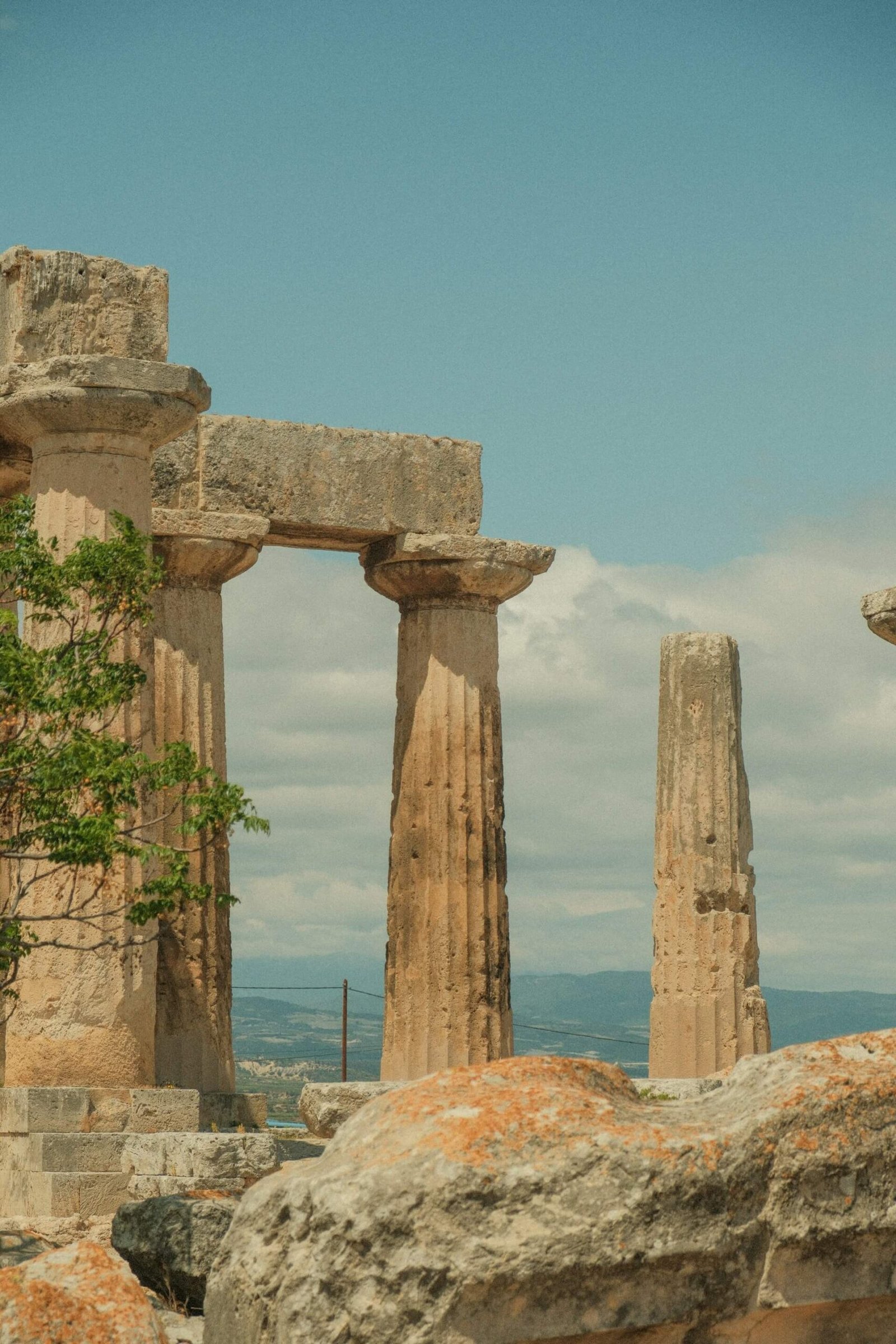
Many of those places still exist today. Athens, Corinth, Thessaloniki, Philippi – these weren’t quiet religious centres, but busy Roman cities filled with merchants, philosophers, and travellers from across the Mediterranean.
Christianity arrived here in the middle of some of the most intellectually active cities of the ancient world. Standing in those places today, it’s surprisingly easy to imagine what that moment in history might have looked like.
Athens: Where Paul Spoke to the Philosophers
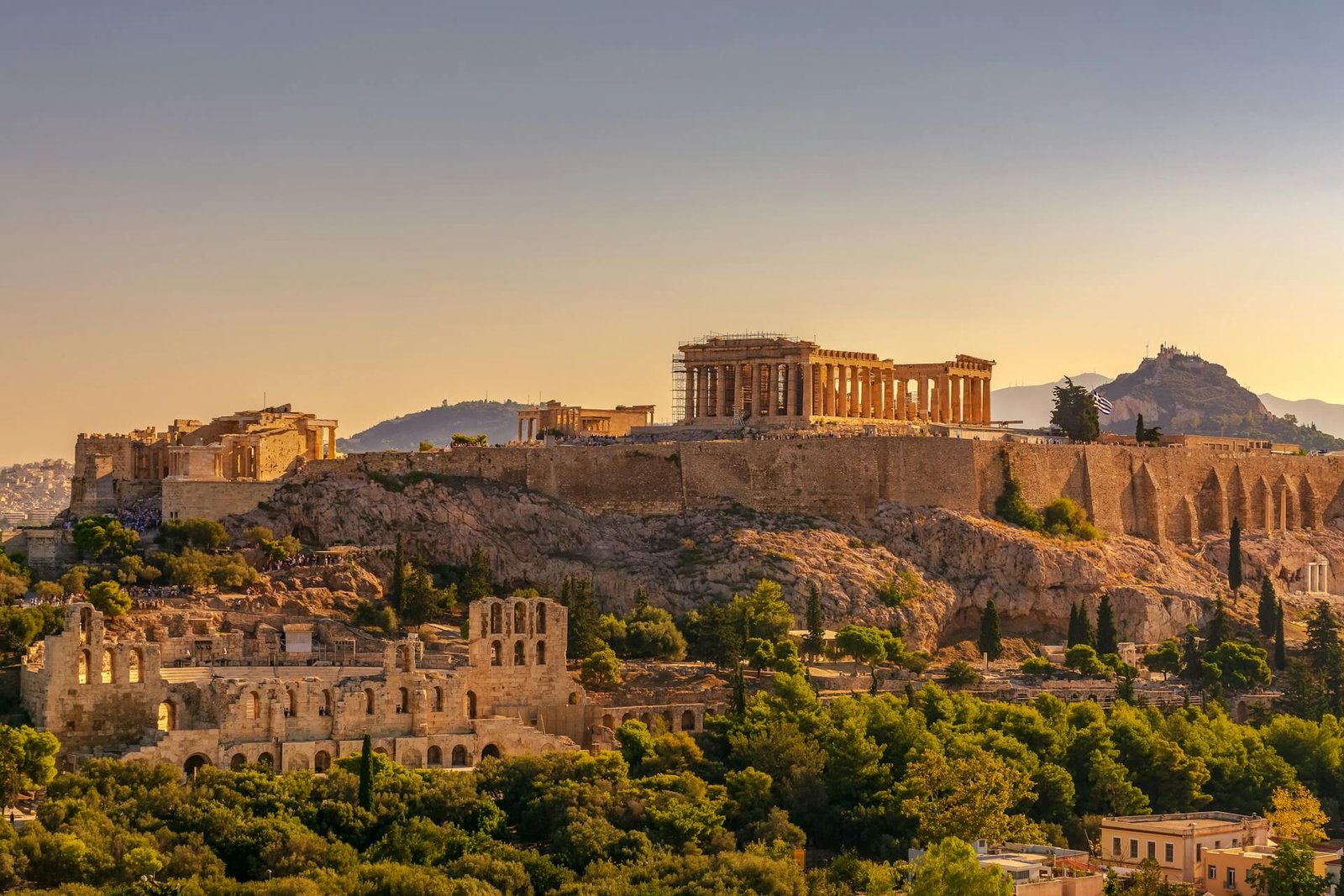
Athens is usually associated with ancient Greek philosophy, but it also played a role in the spread of early Christianity.
According to the Book of Acts, Paul visited the city and delivered a speech at the Areopagus, addressing Athenian philosophers who were curious about his teachings. Some historians see this as one of the earliest recorded moments of Christianity being presented to a Greek philosophical audience.
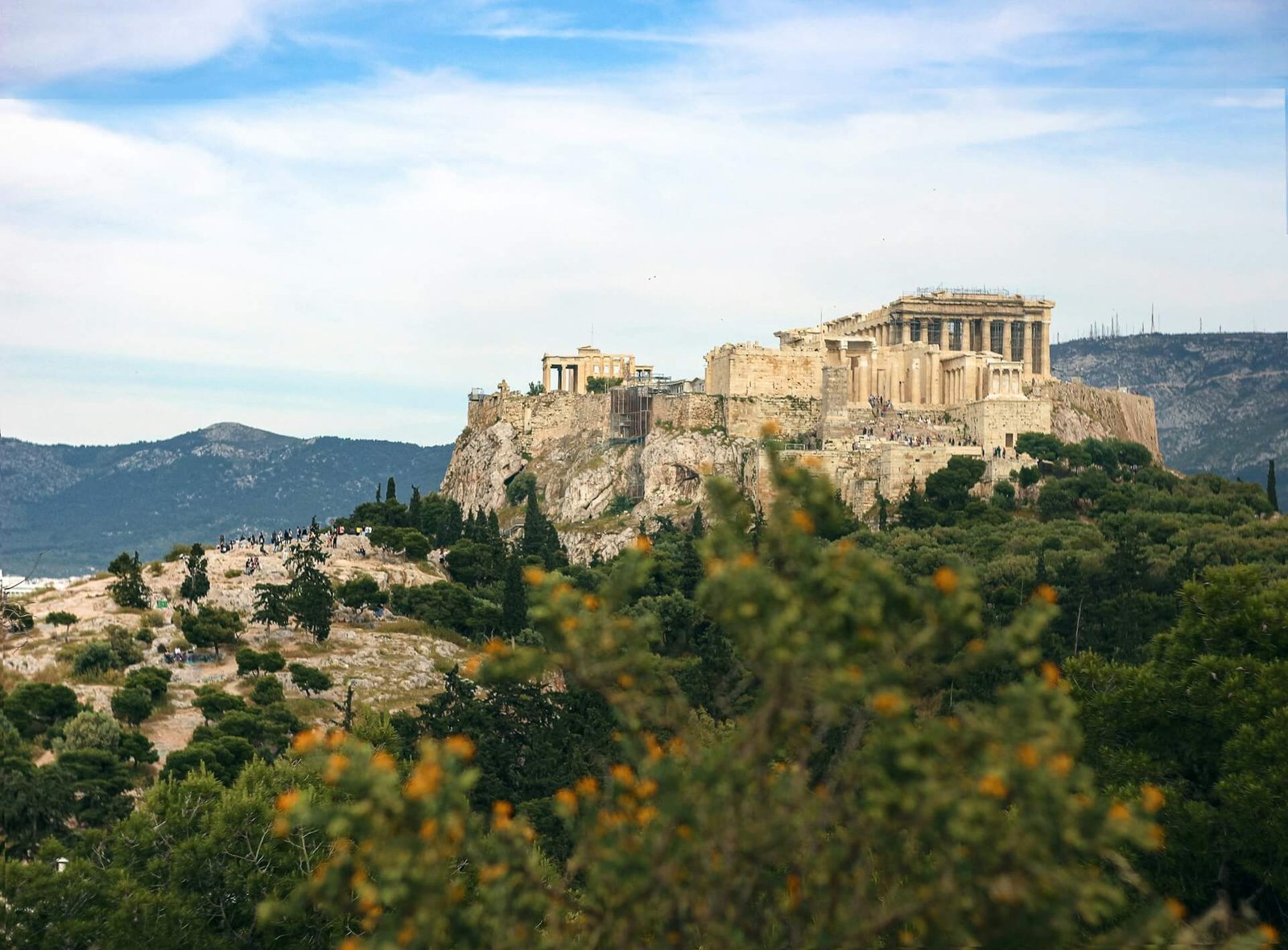
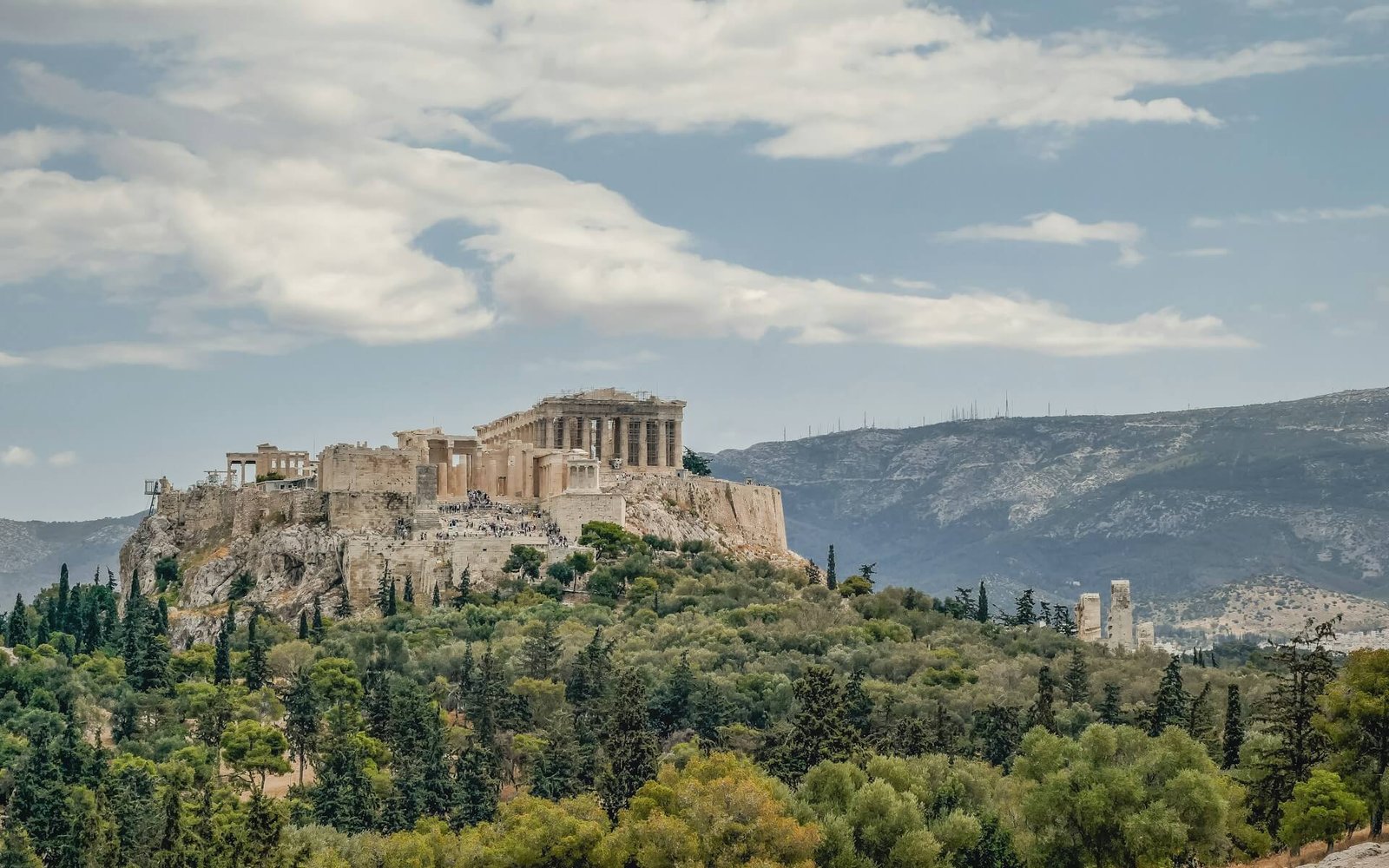
The hill of the Areopagus still overlooks the Acropolis of Athens today. Visitors can stand in the same spot and look out across the city, a moment that ties together ancient philosophy, Roman history, and early Christian tradition.
Athens is one of those places where history suddenly feels very real.
Blog posts about Athens
If you’re planning a trip to Athens, you might find some of my Athens articles helpful.
Here are a few to get you started:
- Athens in December: A Quieter Way to See the City
- How to Spend One Day in Athens
- Is Athens Safe? My Athens Safety Tips
- Is Athens Worth Visiting?
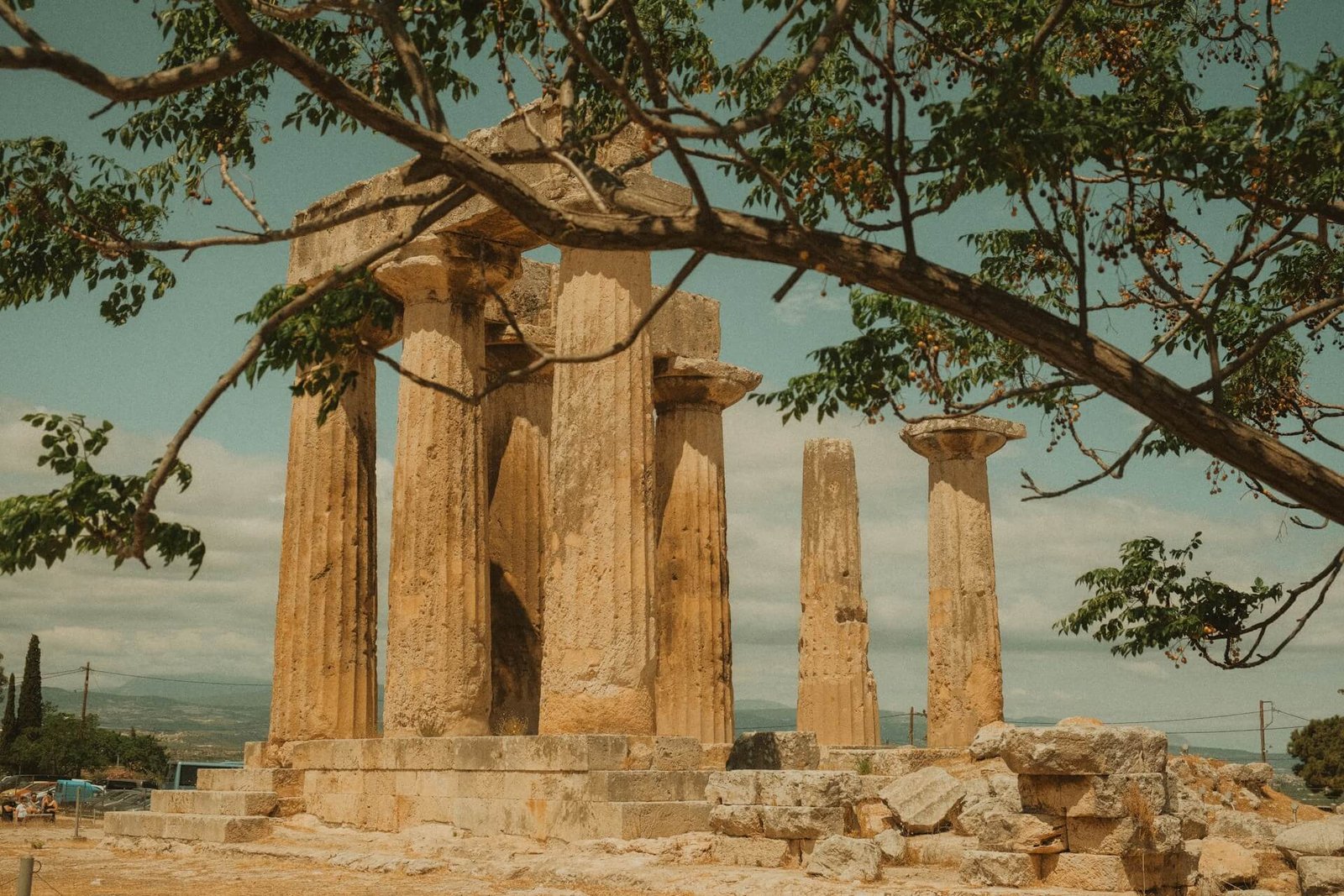
Corinth: A Powerful and Complicated City
Another key stop on Paul’s journey was Corinth.
At the time, Corinth was one of the wealthiest cities in the Roman world. It was a major port city known for trade, cultural exchange, and a reputation for excess. It was also where Paul spent a significant amount of time preaching and building a Christian community.
Today, visitors can walk through the ruins of Ancient Corinth, see the remains of Roman streets and temples, and visit the Bema, the stone platform where Paul is believed to have stood before Roman authorities.
The site gives a powerful sense of how Christianity developed not in quiet isolation, but inside thriving, sometimes chaotic urban centres. It makes the New Testament feel much less distant.
Philippi: The Place Where Christianity First Reached Europe
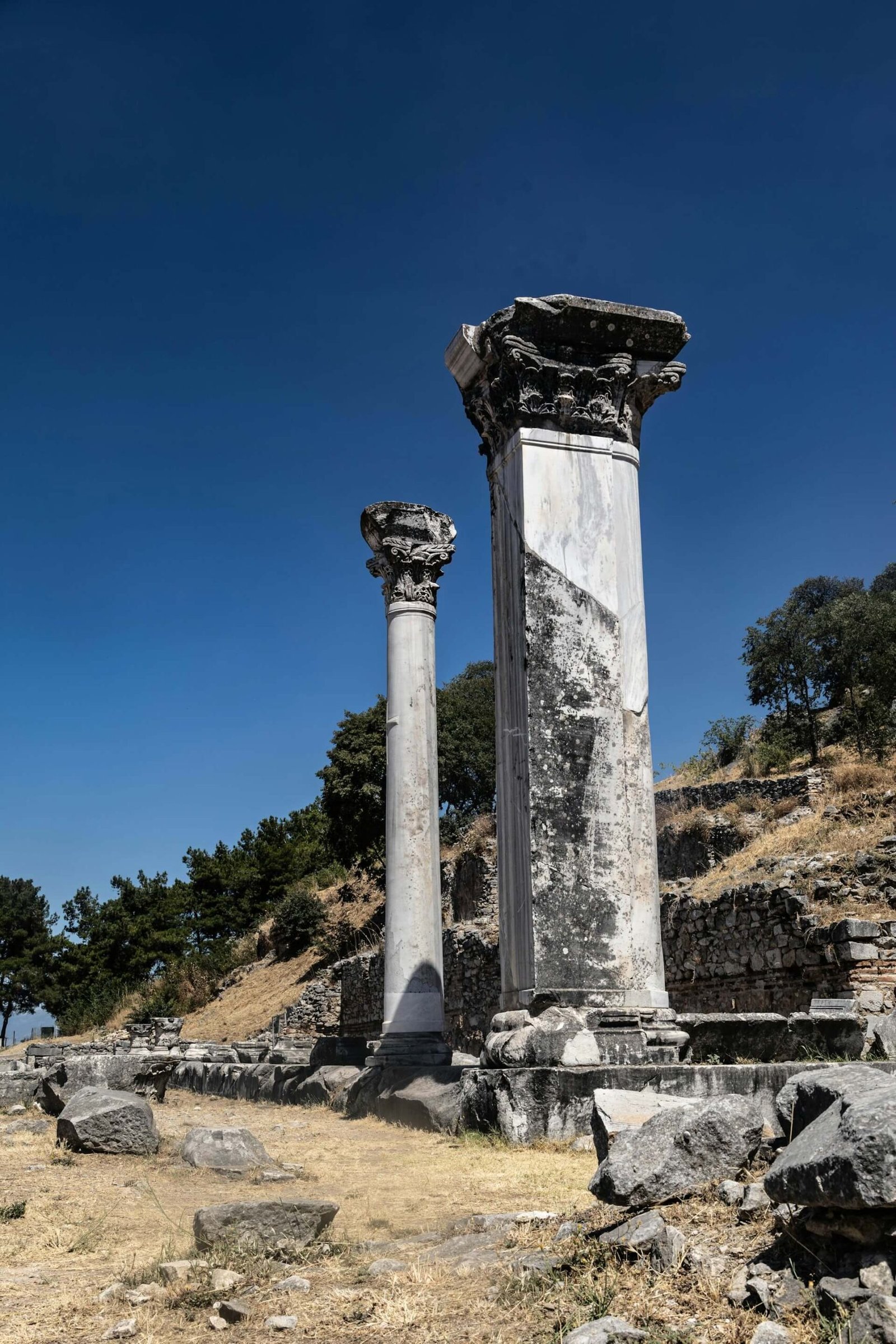
Further north lies Philippi, another important biblical location.
According to the New Testament, this is where Paul baptised Lydia, often considered the first Christian convert in Europe. The archaeological site still contains the remains of early Christian basilicas alongside Roman roads and public spaces dating back nearly two thousand years.
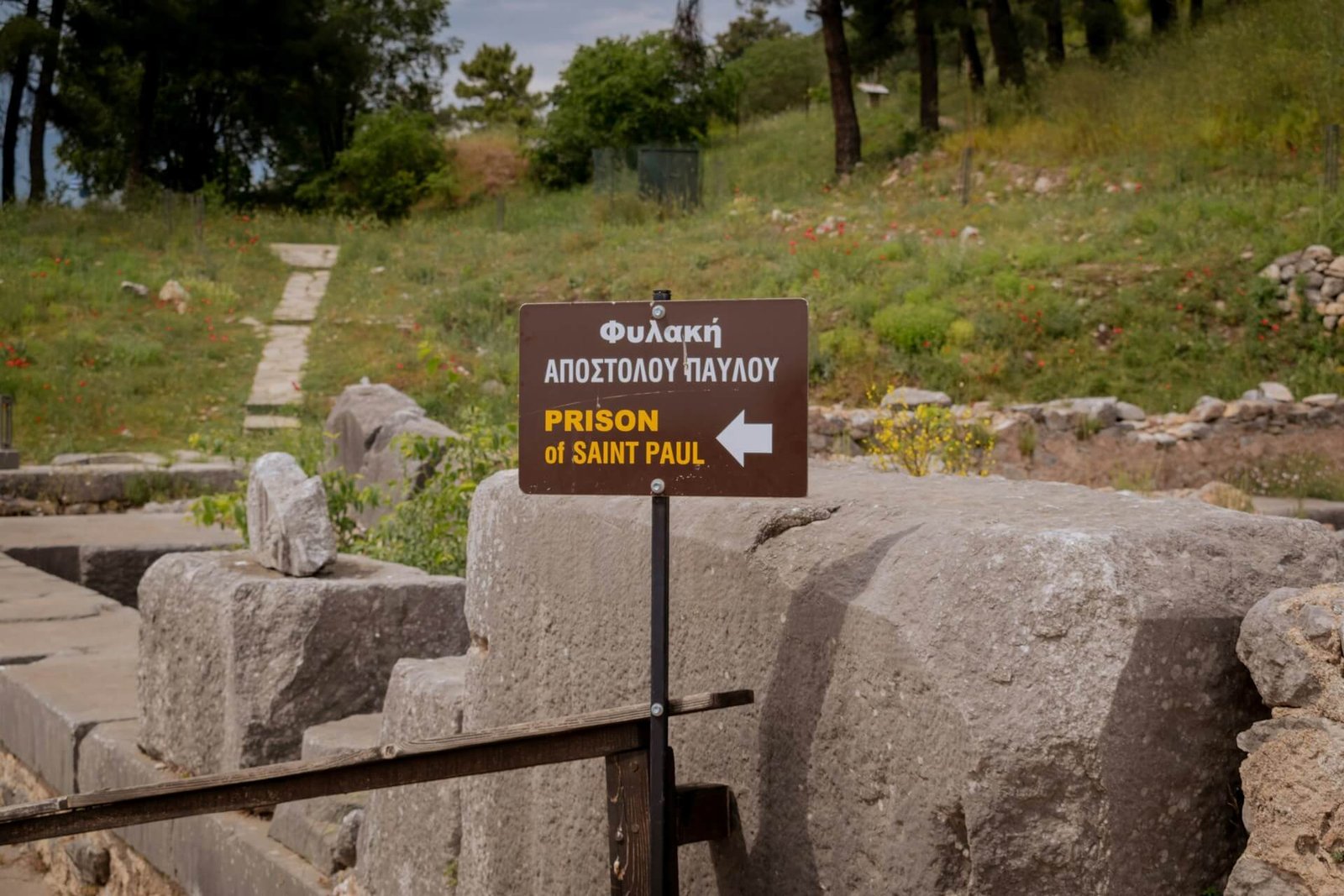
The area forms part of a wider historical landscape recognised by UNESCO for its cultural and archaeological significance.
For travellers who want to trace these journeys more closely, itineraries following the footsteps of the Apostle Paul in Greece connect many of these locations and help place the New Testament stories within the geography where they actually happened.
Greece Beyond the Biblical Sites
Of course, the biblical history is only one layer of what makes Greece such an interesting place to travel. Between ancient ruins, Byzantine monasteries, coastal villages, and dramatic mountain scenery, travelling through Greece often feels like moving between entirely different periods of history in a single day.
One moment you might be standing in the ruins of an ancient Greek amphitheatre, and a few hours later you’re sitting in a small seaside village watching fishing boats return to the harbour (the Peloponnese region in particular has a wonderful mix of history and nature).
A Different Kind of Pilgrimage
Unlike some pilgrimage destinations, Greece doesn’t always present its biblical history in an obvious way.
It doesn’t attract huge pilgrimage crowds, and many of the most historically important sites sit quietly among archaeological ruins or modern towns.
In some ways, that actually makes the experience more powerful.
Instead of visiting a place where you’re fighting for breathing space amongst all the other tourists, there are still so many religious sites in Greece where you can be completely alone, soaking up the history and enjoying a moment of quiet contemplation.
If you’re thinking about planning a biblical exploration of Greece, there are plenty of guides covering the biblical sites of Greece connected to Paul’s journeys, which can help provide some useful background on places mentioned throughout the New Testament.
That’s about all I’ve got for today, but as always, if you have any questions then don’t hesitate to ask me in the comments section below!
Until next time,
XOXO
If you like this article and would like to support my work, please click the button above to donate a couple of bucks and buy me a coffee. The revenue that I receive on this website is minimal, so support from my readers enables me to keep creating content that you (hopefully!) love to read.
Disclaimer: Travelling Jezebel contains affiliate links. If you make a purchase on a recommended site, I may make a small commission at no extra cost to you.
