
If Bath’s Georgian architecture has ever made you wonder what actually went on behind those famous curved facades, No.1 Royal Crescent is where you get to find out.
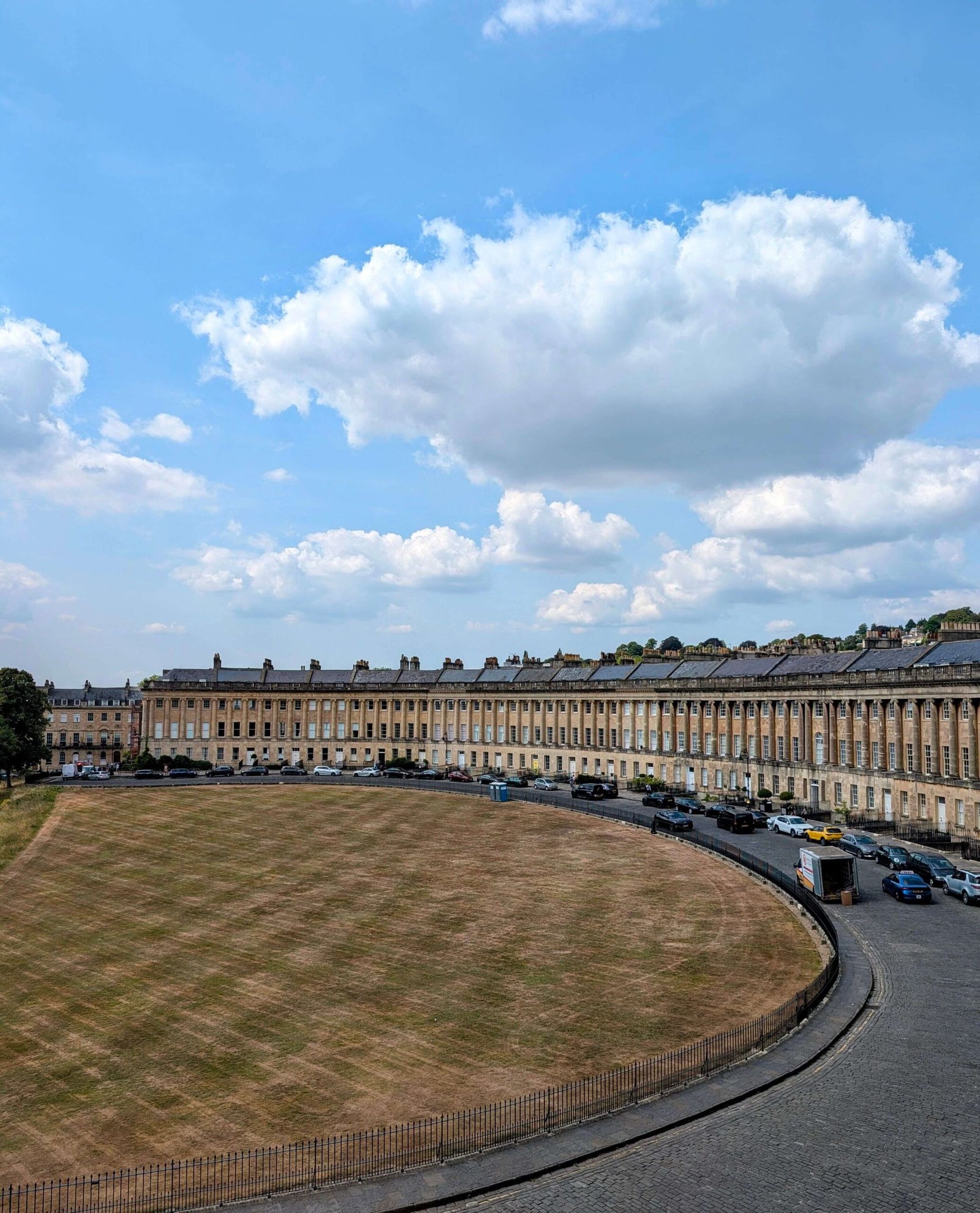
It’s the first house on the most photographed street in the city, and unlike most of the Royal Crescent, you can actually go inside!
Visiting No. 1 Royal Crescent in Bath was one of the highlights of my recent trip there, and I almost didn’t go!
In this post I want to give you the full picture: the history of the house itself, what you can expect to see and do inside, practical information on tickets and opening times, and my honest opinion on whether it’s worth your time and money.
No.1 Royal Crescent Bath – Is it Worth Visiting?
Before we get into the house itself, it’s worth understanding what makes No.1 different from Bath’s other historic homes. It isn’t a recreation or a stage set; it’s a genuinely restored 18th-century townhouse, decorated using historically accurate materials and methods to look almost exactly as it would have when its first residents lived there.
That level of authenticity is a big part of what makes it worth visiting, so it’s worth knowing the story behind it before you go.
Are you ready? Then let’s get into it.
The History of No.1 Royal Crescent
The Royal Crescent itself is a huge sweeping row of 30 townhouses that were built between 1767 and 1774, designed by the architect John Wood the Younger (his father, John Wood the Elder, is thought to have originated the design before his death).
No.1, sitting at the eastern end, was the very first house in the crescent to be completed.
While the crescent’s façade had to follow strict architectural rules, what went on behind each front door was entirely up to the individual owner, which is why every house along the row is laid out completely differently inside despite looking uniform from the street.
No.1’s first permanent resident was Henry Sandford, a wealthy Irish landowner and former MP who moved to Bath in 1776 after giving up his political career due to ill health, hoping the city’s waters might help. He lived in the house until his death in 1796, and it’s his era, specifically 1776 to 1796, that the museum’s interiors are designed to recreate.
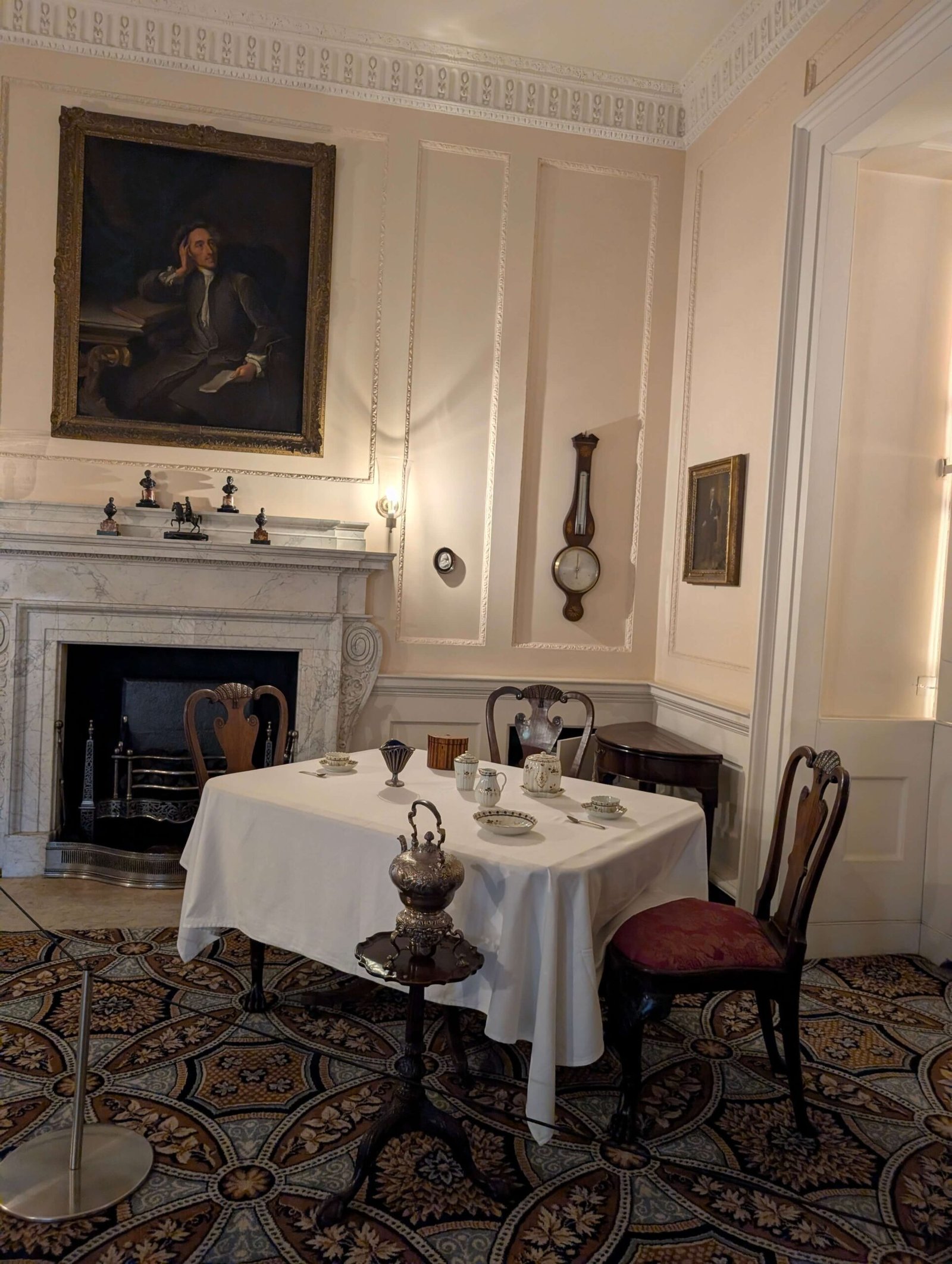
Sandford was, by all accounts, a curious and well-travelled man. He kept detailed ‘commonplace books’ (scrapbooks of news cuttings, gossip, and observations that have actually made a comeback on TikTok in recent months!), collected curiosities from around the world, and had a personal library stacked with travel writing.
After Sandford’s death, the house passed through a string of less illustrious occupants: minor gentry, clergymen, a girls’ seminary in the 1840s, and eventually a lodging house by the early 20th century, by which point its grand Georgian interiors had been chopped up into flats and offices.
From Lodging House to Museum
The idea of turning No.1 into a museum came from Bernard Cayzer, a wealthy shipping magnate and supporter of the Bath Preservation Trust, who bought the house in 1968 and gifted it to the Trust specifically for this purpose.
Restoration began that same year, painstakingly reversing decades of subdivision to bring the house back to something close to its original 18th-century layout.
There was one snag: the sale only included the main house, not its original servants’ wing next door, which had been split off as a separate property. That wing wasn’t reunited with the museum until 2006, when it came up for sale and local philanthropist Andrew Brownsword helped fund its purchase.
Between the 1968 restoration and the 2006 acquisition, understanding of authentic Georgian interior design had moved on considerably, so the Trust used the opportunity to give the whole museum a much more historically accurate overhaul, this time including a full downstairs servants’ experience alongside the elegant rooms upstairs.
No.1 Royal Crescent Exhibits
There are three changing exhibits at No.1 Royal Crescent, depending on the time of year when you visit.
Below is information about each exhibit and when you can catch it.
Georgians at Home
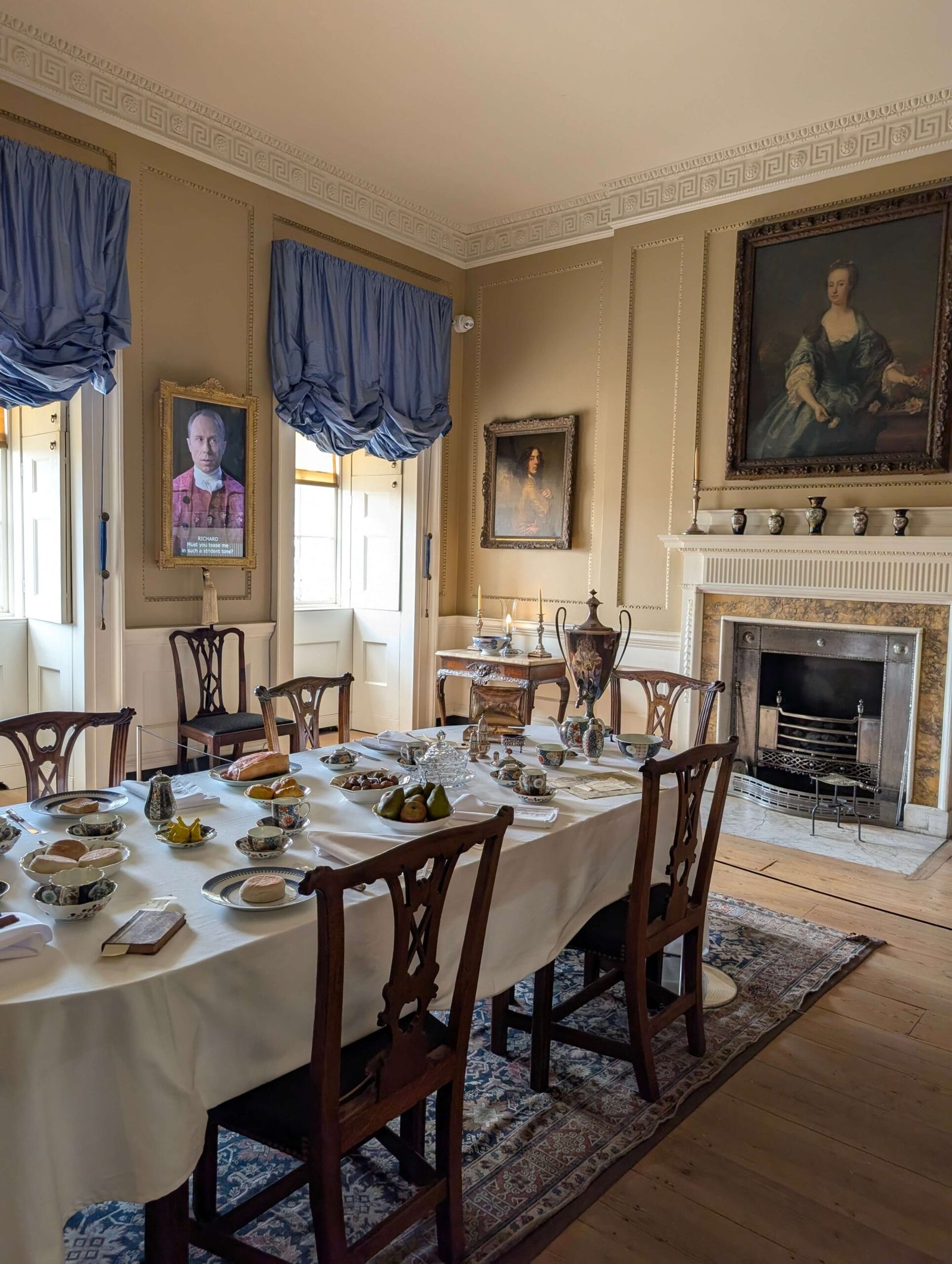
Alongside the restored rooms of the house, the exhibition is an immersive multimedia experience. The story being played changes throughout the year, but when I visited, the exhibition was called Georgians at Home, which centres around a fictional Georgian family spending the season in Bath.
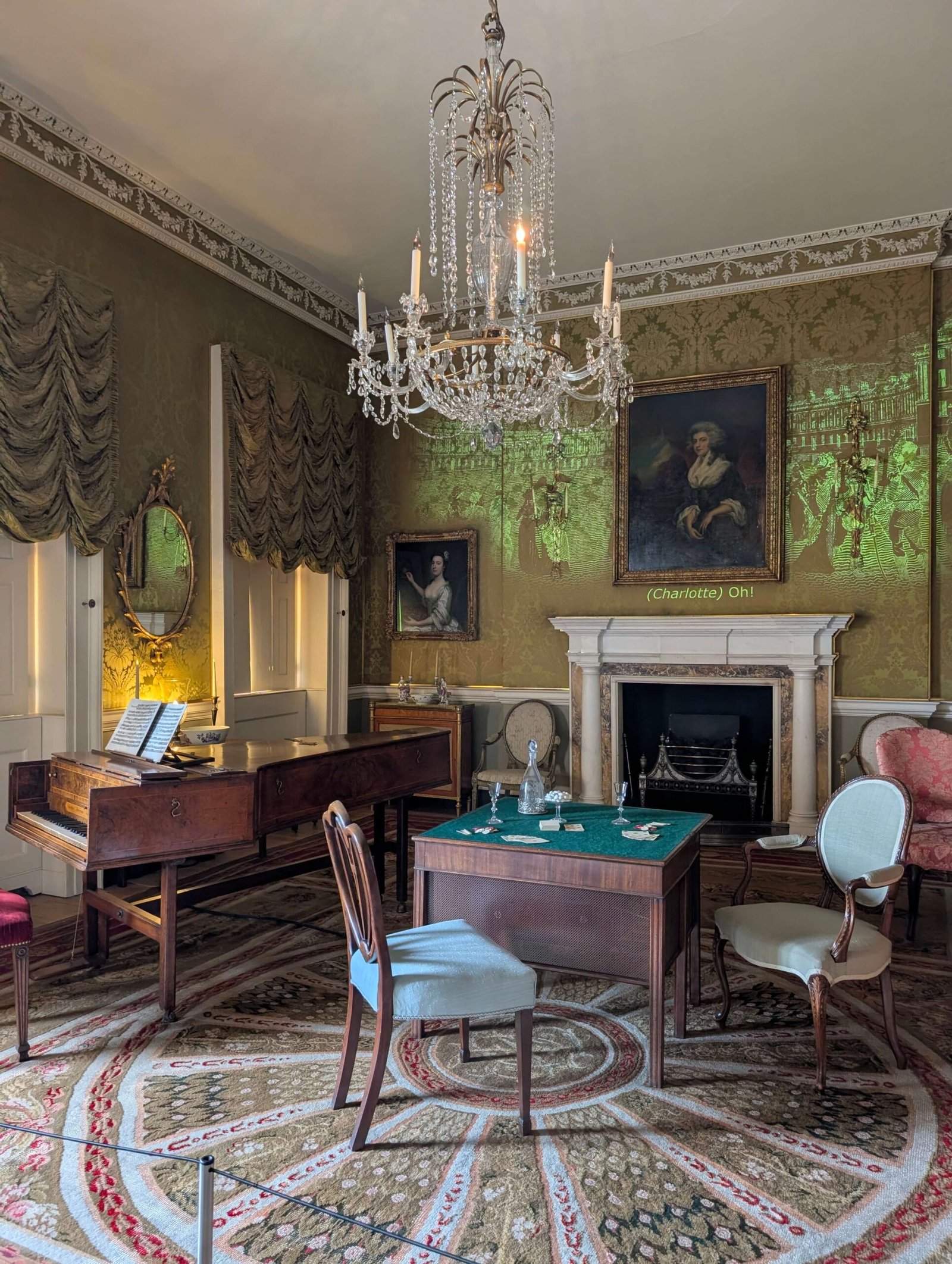
In each of the elegant rooms of their home, snippets of the families’ daily life are played through hidden speakers and projections on the walls, from society gossip to family dilemmas, and I genuinely felt like I was eavesdropping on their private moments!
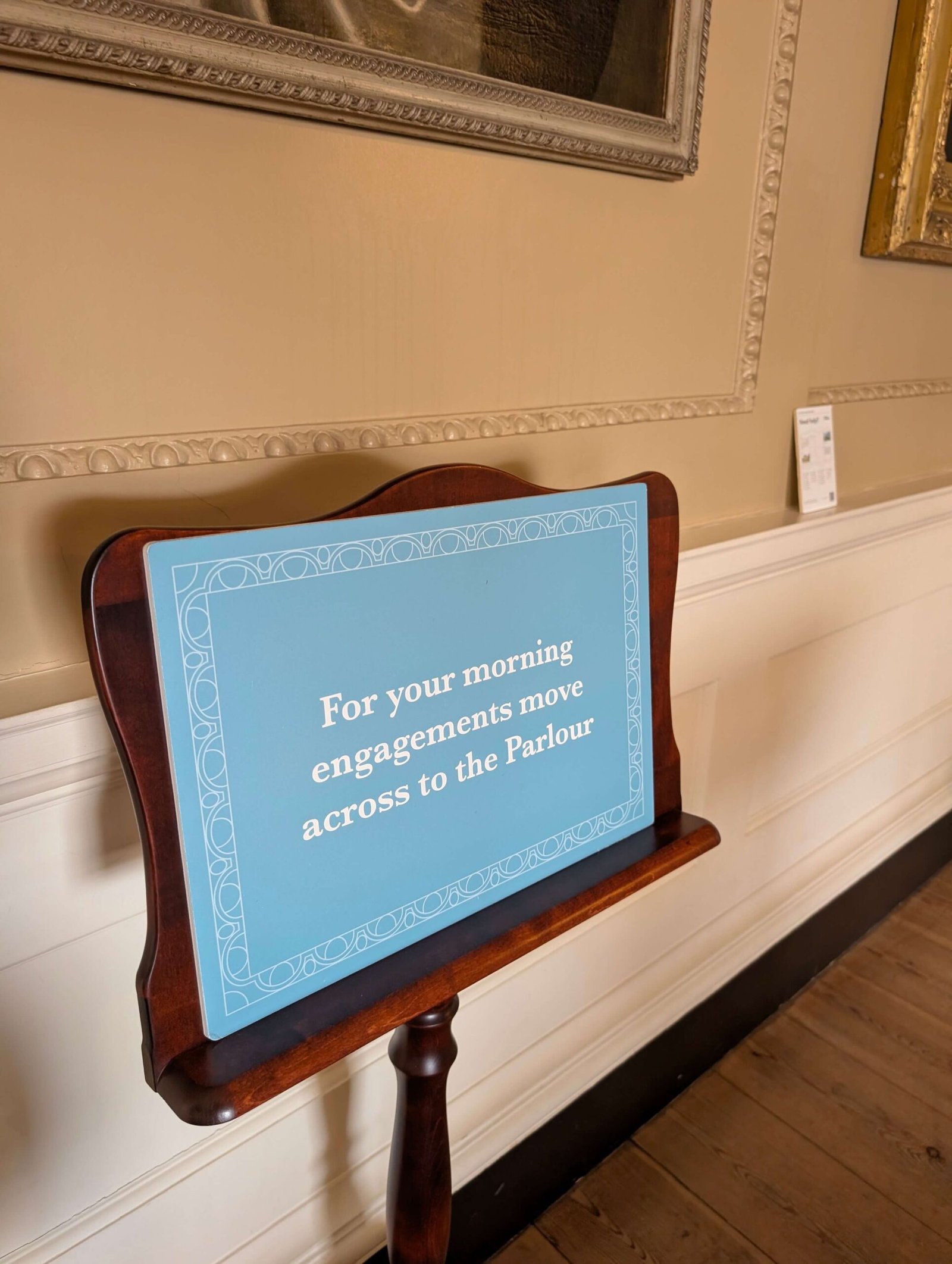
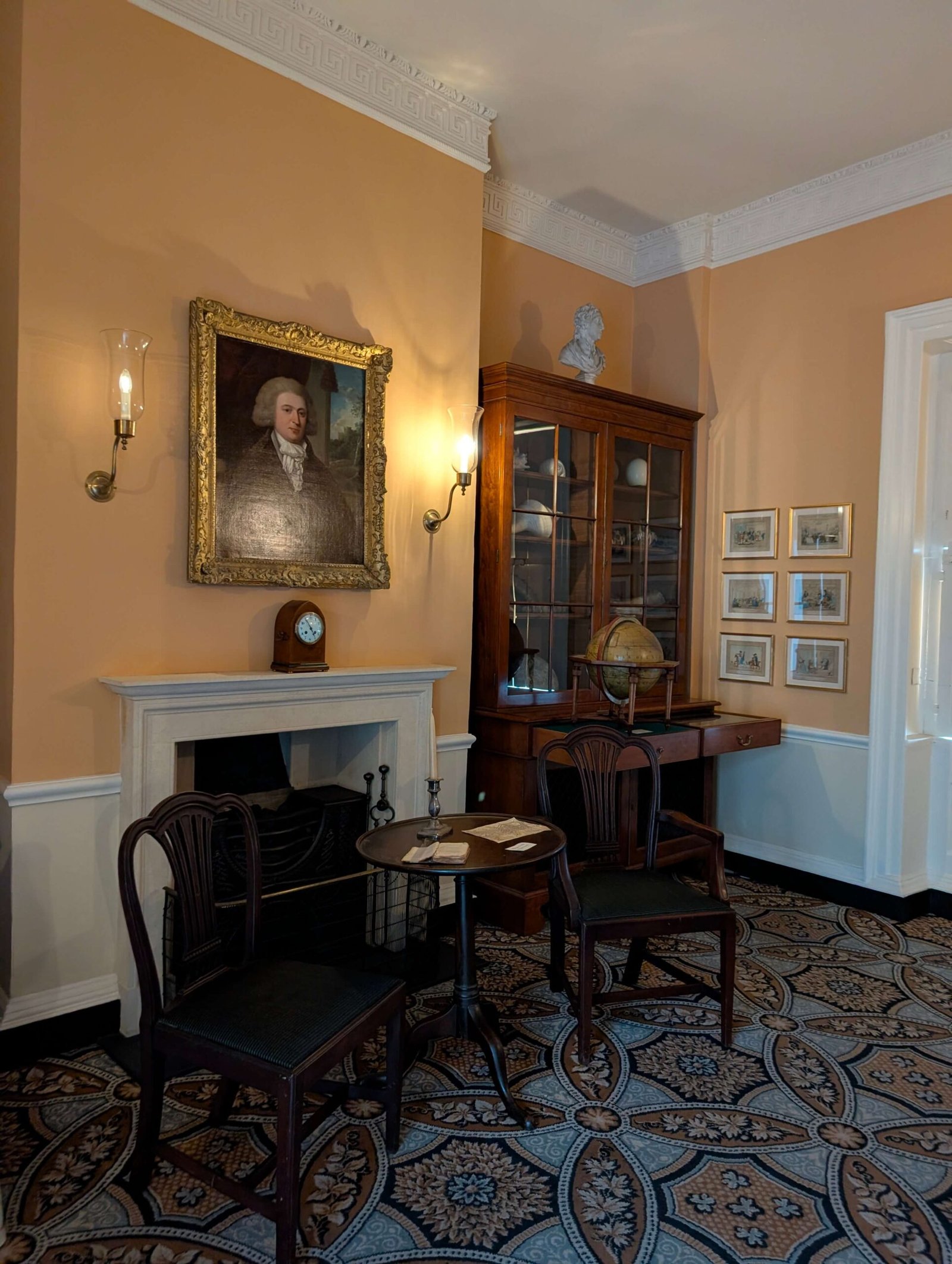
Rooms include the Parlour, a family room used for everyday activities like letter-writing and receiving casual visitors, the ‘Gentleman’s Retreat’, complete with a curiosities cabinet, as well as the gentleman’s and lady’s bedrooms, kitted out with period-accurate furnishings and personal effects.
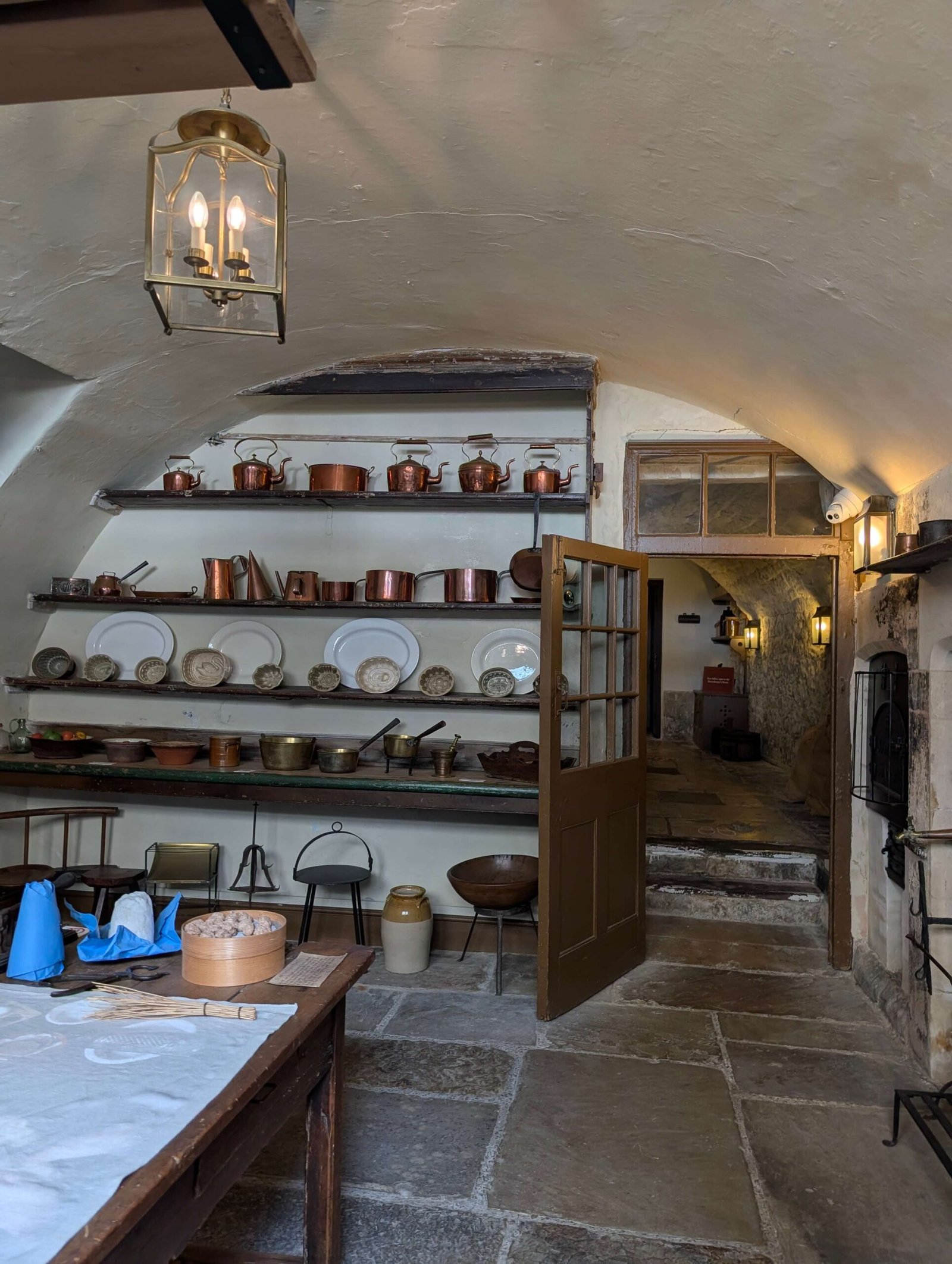
Downstairs, in the servants’ wing, you’ll find the original kitchen and scullery, the coal-holes, narrow servants’ corridors, the Housekeeper’s Room, and the Servants’ Hall, giving an eye-opening look at the very different lives of the people who kept a house like this running day to day.
What made it for me was how immersive the whole museum is. Walking through the rooms gave me a real sense of what it meant to live in Georgian Bath as the kind of society lady Jane Austen was writing about.
It’s the closest I’ve come to feeling like I’d stepped inside one of her novels, even more so than The Jane Austen Centre (I wrote a full review of The Jane Austen Centre, if you’re interested!).
Georgians at Home details
The Georgians at Home experience lasts for around 50 minutes.
This experience runs from 31 January to 15 November 2026 during normal opening hours and not on dates when ‘Jane Austen in Bath’ runs.
Jane Austen in Bath
Every Georgian townhouse in Bath must have a Jane Austen story to tell, and the Jane Austen in Bath exhibition looks at life in Britain in the 1790s – 1820, (the Regency into Late Georgian period), including when Austen was writing, and for a time living in Bath.
Rather than replacing the Georgians at Home experience, it reframes the same rooms around Austen’s novels, using passages and conversations from her books to bring the spaces to life from a slightly different angle.
Jane Austen in Bath details
This experience runs on 27 Feb, 27 Mar, 24 Apr, 29 May, 26 Jun, 31 Jul, 28 Aug, 25 Sept and 30 Oct.
It will also run for the duration of the Jane Austen Festival: 11 to 20 Sept.
12 Tales of a Georgian Christmas
VisitNo.1 Royal Crescent at Christmas and you’ll see the rooms decked out for the festival season and discover the traditions and celebrations of a historic Georgian Christmas told through stories and poems throughout the house.
12 Tales of a Georgian Christmas details
The 12 Tales of a Georgian Christmas will run from 28 Nov 2026 – 3 Jan 2027 during normal opening hours.
Exhibition Gallery
There’s also a changing exhibition gallery, which runs alongside the permanent house displays and hosts contemporary art and history exhibitions throughout the year. Unfortunately I didn’t get to see this as I was a bit pushed for time, but it sounded really interesting, so I was quite disappointed!
Admission to the exhibition gallery is £7, or just £2.50 when purchased alongside a museum entry ticket.
No.1 Royal Crescent on Screen
Thanks to its authentic interiors, No.1 has become a popular filming location. It appeared in the 2007 ITV adaptation of Persuasion, and in The Duchess, the 2008 film starring Keira Knightley.
Bridgerton fans will also recognise the exterior of No.1 Royal Crescent at the home of the Featherington family!
Visiting No.1 Royal Crescent
Below is everything you need to know about opening times, entry fees, and accessibility at No.1 Royal Crescent.
Please note that all information is correct at the time of publishing (September 2026).
No.1 Royal Crescent Opening Times
No.1 Royal Crescent is open Tuesday to Sunday, 10am to 5:30pm, with last entry at 4:30pm.
The museum is closed on Christmas Day, Boxing Day, and between 16-28 November 2026.
No.1 Royal Crescent Ticket Prices
- Adult: £16.00
- Under 18s: free when accompanied by a paying adult
- Concessions: £14.50 (available for seniors, students, NHS workers, Blue Light card holders, and those receiving Universal Credit or Jobseeker’s Allowance, with valid ID)
- Multi-museum ticket (No.1 Royal Crescent, the Herschel Museum of Astronomy, and Beckford’s Tower): £29.50
Your admission ticket doubles as an annual pass, so you can return to the museum as many times as you like within twelve months at no extra cost, which means you can see all three of the multimedia exhibitions for one price!
You can buy your tickets online from the official website.
How to Get There
It’s around a 20-minute walk from Bath Spa railway station, or about 10 minutes from the Tourist Information Centre near Bath Abbey.
The nearest car park is Charlotte Street Car Park, which is roughly a 5-minute walk away.
No.1 Royal Crescent address: No.1 Royal Crescent, Bath BA1 2LR (Google Maps link).
Is No.1 Royal Crescent Accessible?
The museum is one of the most accessible historic houses in Bath, and everything has been done to make the museum as accessible to everyone as it can possibly be.
Below is some more specific information about accessibility at No.1 Royal Crescent Bath.
Visitors with mobility impairments
There are two routes around the museum: one takes in every room via the original stairs, and there’s a separate step-free route, using a lift, that gives access to the ground and basement floors of the main house and the ground and first floors of the servants’ wing.
That step-free route does mean missing four rooms that are only reachable via the original stairs, but these are made available separately through a virtual iPad tour, so you’re not missing out on the content entirely.
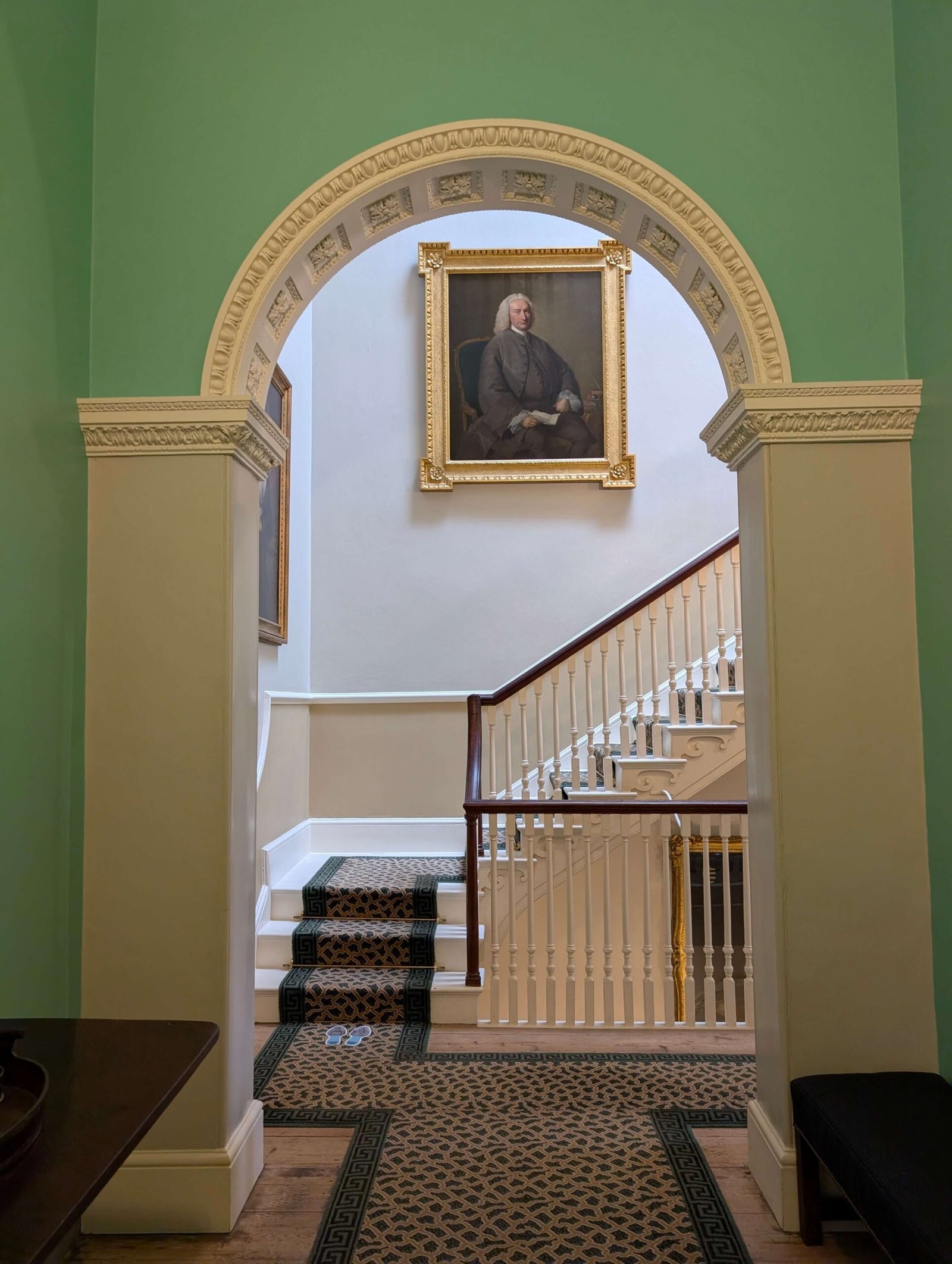
Some of the floors inside the building are uneven, and the flooring in the basement and courtyard is flagstone.
There is a toilet that can be accessed by the lift. There’s also seating throughout the museum if you need a rest.
Visitors with visual or auditory impairments
- Transcripts of the immersive soundscapes are available in large print from the ticket desk.
- Assistance dogs are welcome in the museum.
- A subtitled, virtual iPad tour of the museum is available to borrow from the ticket desk for visitors with hearing impairments.
- All videos in the museum are captioned.
- The immersive experience is connected to a hearing loop system and is captioned, with printed guides also available.
Neurodivergent visitors
I was particularly impressed with the steps that the No.1 Royal Crescent Museum has taken to make its exhibition accessible for neurodivergent visitors.
In addition to a detailed sensory map, which you can download on their website, you can also pick up a sensory bag from the front desk, which contains items such as stress balls, fidget toys, and ear defenders.
Visiting with children
Unfortunately, prams and buggies can’t be taken through the house itself due to its historic layout.
Breastfeeding and bottle feeding is allowed anywhere where there is seating within the museum.
Best Time to Visit
Weekday mornings shortly after the 10am opening tend to be quietest, particularly outside school holidays. Online booking is strongly encouraged, as walk-in availability can be limited, especially at weekends.
With that being said, I visited in the middle of the afternoon in July (albeit on a weekday), and I only saw two other visitors the entire time I was there.
No.1 Royal Crescent | Final Thoughts
No.1 Royal Crescent almost didn’t make it onto my Bath itinerary at all, but I’m so glad that I decided to visit, as I think that this museum is easily one of the best things to do in Bath.
Knowing that the Trust went back and redid huge parts of the interior once they’d learned more about Georgian design shows just how seriously they take authenticity, which I personally loved.
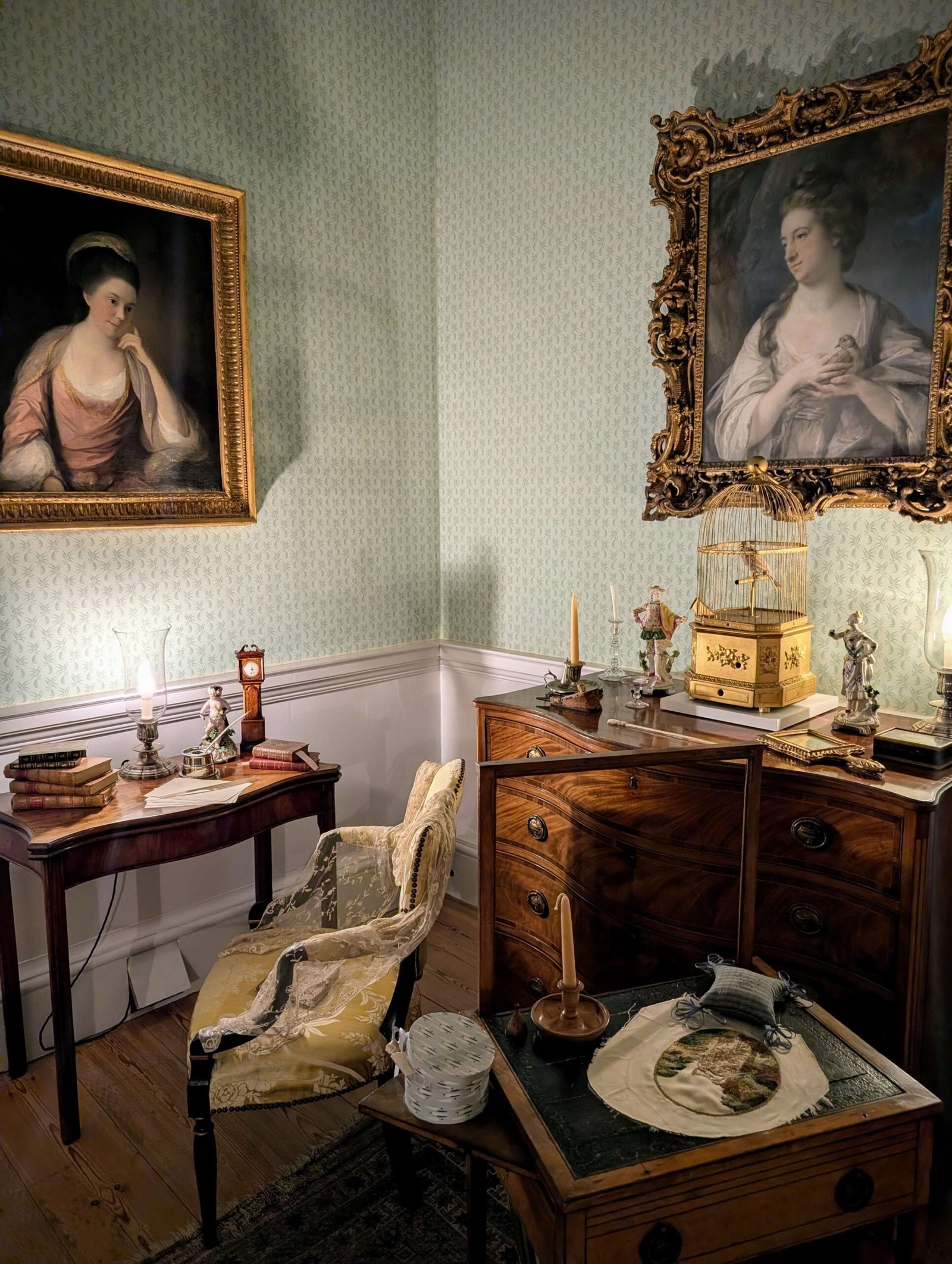
The contrast between the elegant upstairs rooms and the working servants’ quarters below is super interesting, giving a much fuller picture of Georgian Bath than you’d get from the grand rooms alone.
However, it was the immersive, eavesdropping-on-a-family feel of the exhibition that stuck with me most; it made me feel closer to Austen’s Bath than the Jane Austen Centre itself did!
If you’ve got even a passing interest in the Georgian era, English literature, or you just want to see what’s actually behind one of the most photographed facades in England, I can absolutely recommend this museum.
It is a bit on the pricey side, but the fact that you’re allowed to visit multiple times in a year makes it worth the price in my opinion, and I’d love to return to see the exhibitions I missed.
That’s all I have for today, but as always, if you have any questions then let me know in the comments below, and if you’re planning a trip to Bath, you might want to check out my other Bath articles:
- Mary Shelley’s House of Frankenstein in Bath: Is it Worth Visiting?
- The Jane Austen Centre in Bath: It is Worth Visiting?
- An Honest Review of the Abbey Hotel Bath
- 15 Bookish Things to Do in Bath for Literature Lovers
Until next time,
XOXO
If you like this article and would like to support my work, please click the button above to donate a couple of bucks and buy me a coffee. The revenue that I receive on this website is minimal, so support from my readers enables me to keep creating content that you (hopefully!) love to read.
Disclaimer: Travelling Jezebel contains affiliate links. If you make a purchase on a recommended site, I may make a small commission at no extra cost to you.




This sounds absolutely fascinating and the lengths they have gone to to make it accessible for all are commendable.