
Ask anybody what the highlight of their Danube river cruise was and there’s a good chance they’ll mention the Iron Gates. This dramatic stretch of the Danube, where the river cuts through the Carpathian Mountains and the foothills of the Balkans, is unlike almost anywhere else along the route.
For around 134 kilometres, the river forms a natural border between Romania and Serbia, passing through a series of narrow gorges flanked by enormous limestone cliffs. At its narrowest point, the Danube is just around 150 metres wide.
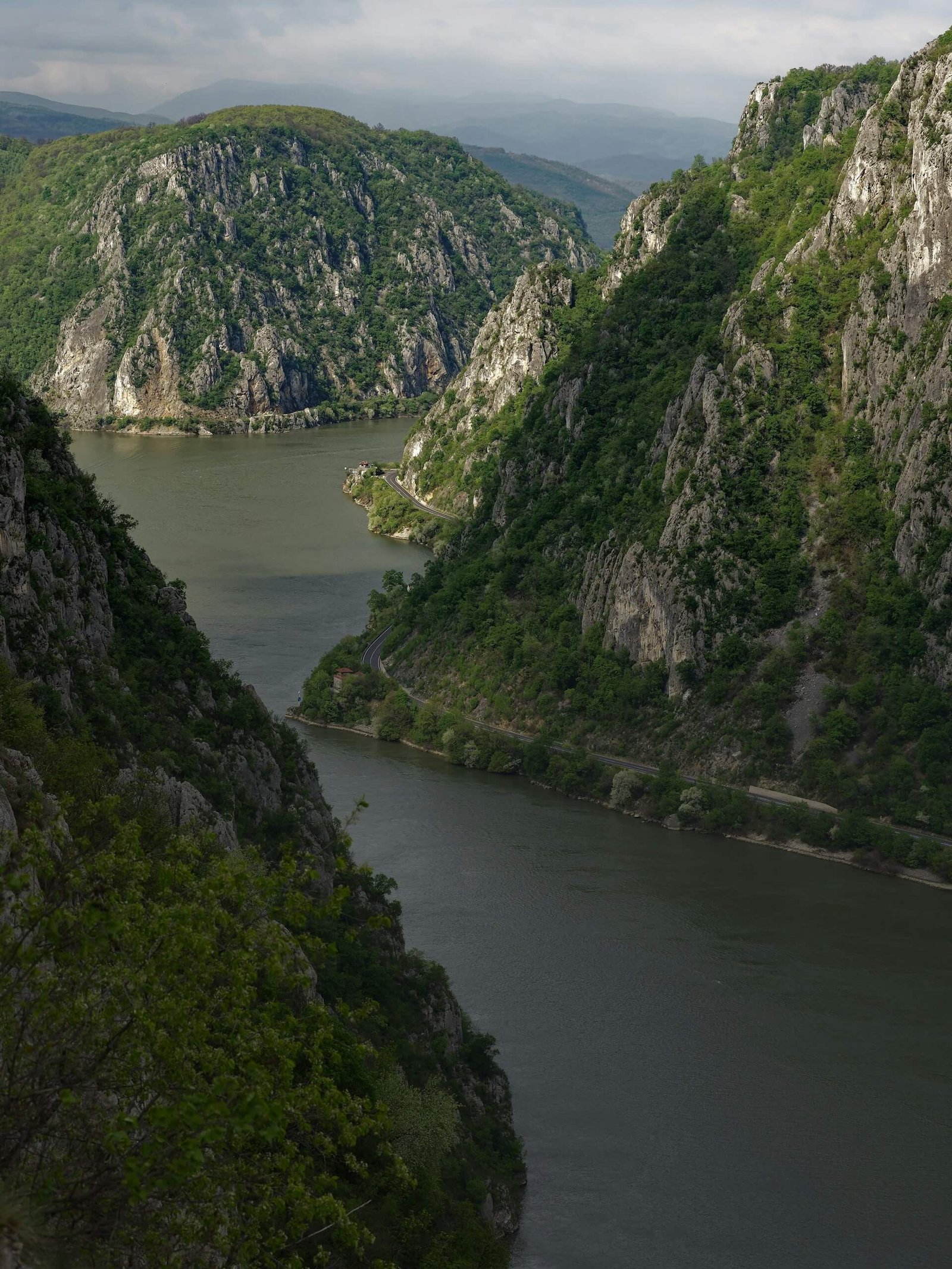
As you sail on an Iron Gate river cruise from Budapest to Bucharest, watching those towering limestone cliffs close in around you, it’s easy to understand why the Iron Gates have fascinated travellers for centuries.
In this blog post, we’re going to dive into (no pun intended) just what makes the Iron Gates so special, the fascinating history behind them, and why a river cruise is the best way to experience them.
Are you ready? Then let’s get into it.
What Are the Iron Gates?
The Iron Gates is the name given to a spectacular section of the Danube on the border between Romania and Serbia.
Rather than being one single gorge, the Iron Gates consists of a series of four gorges separated by slightly wider stretches of river. Together, they extend for roughly 134 kilometres.
The landscape changes dramatically as you cruise through them. One minute you’re sailing through relatively open countryside; the next, the river narrows and you’re surrounded by towering cliffs.
It’s this combination of scenery, history and sheer scale that makes the Iron Gates so memorable.
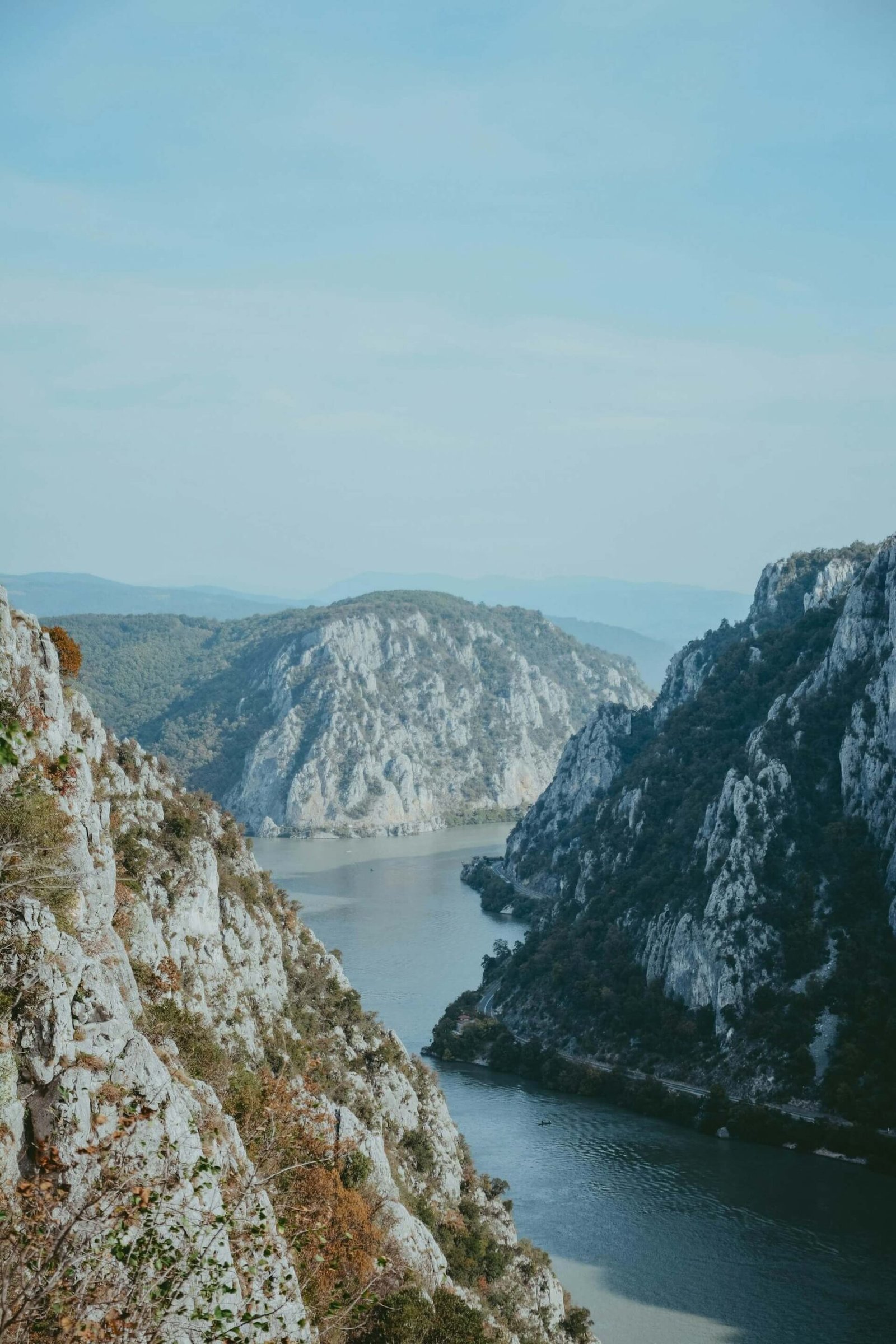
And unlike some of the more famous stops on a Danube river cruise, this isn’t somewhere you explore by getting off the ship and wandering around a city. The river itself is the attraction.
That’s what makes an Iron Gates river cruise such a different experience.
What’s so special the Iron Gates ?
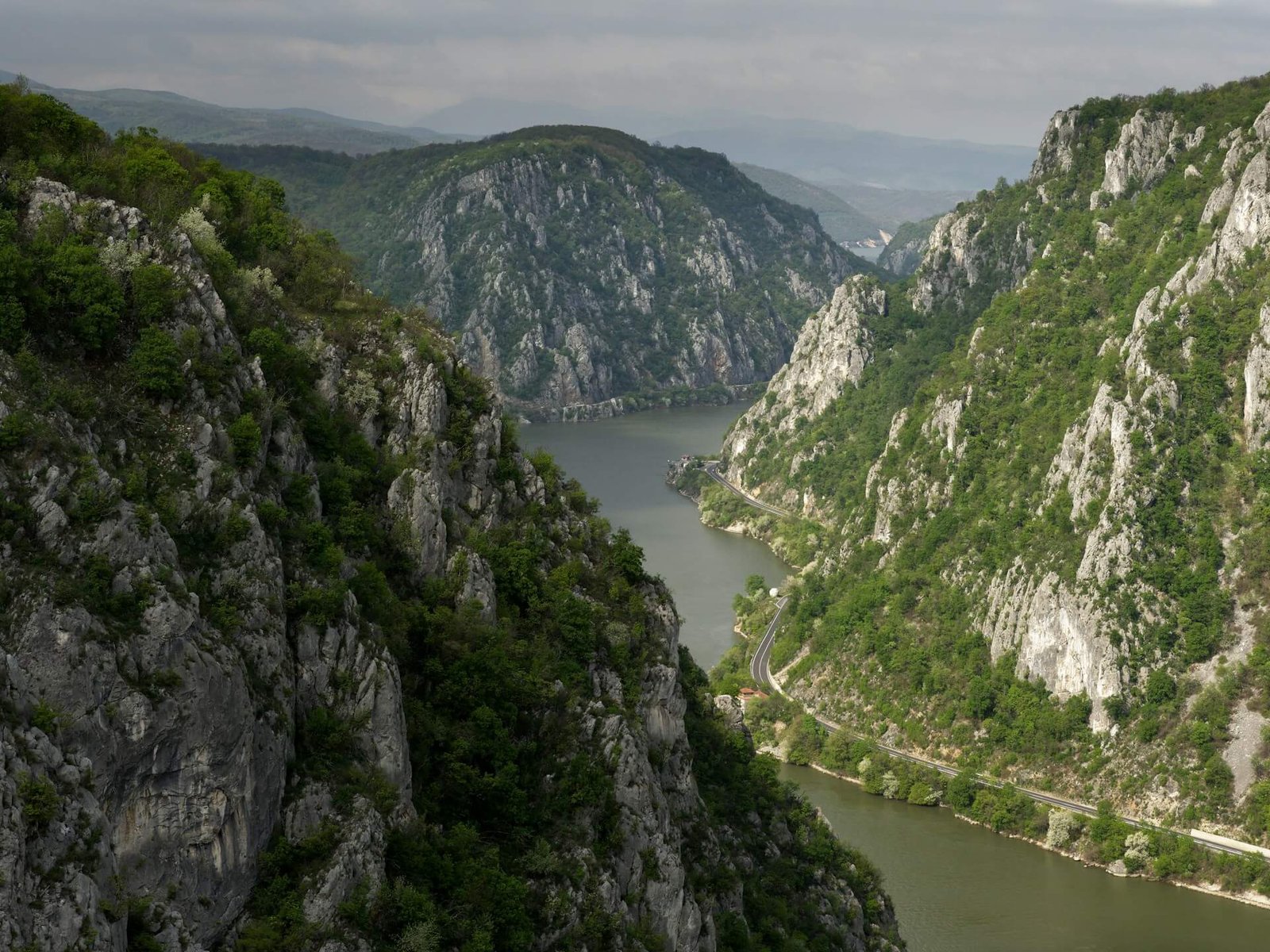
Sailing along the Danube River is a bucket list experience in itself, but when the boat enters the gorges, the landscape becomes increasingly dramatic. The cliffs rise on either side of the river, the waterway narrows and suddenly there’s very little between you and the enormous rock faces.
The most famous section is the Kazan Gorge (Cazanele Dunării in Romanian), where the Danube narrows to approximately 150 metres. It’s so narrow and steep that it only receives direct sunlight for a few hours each day, and looking up from the ship, you can appreciate just how imposing the cliffs are.
The History of the Iron Gates
The Iron Gates are also an extraordinary place to experience the history of the Danube.
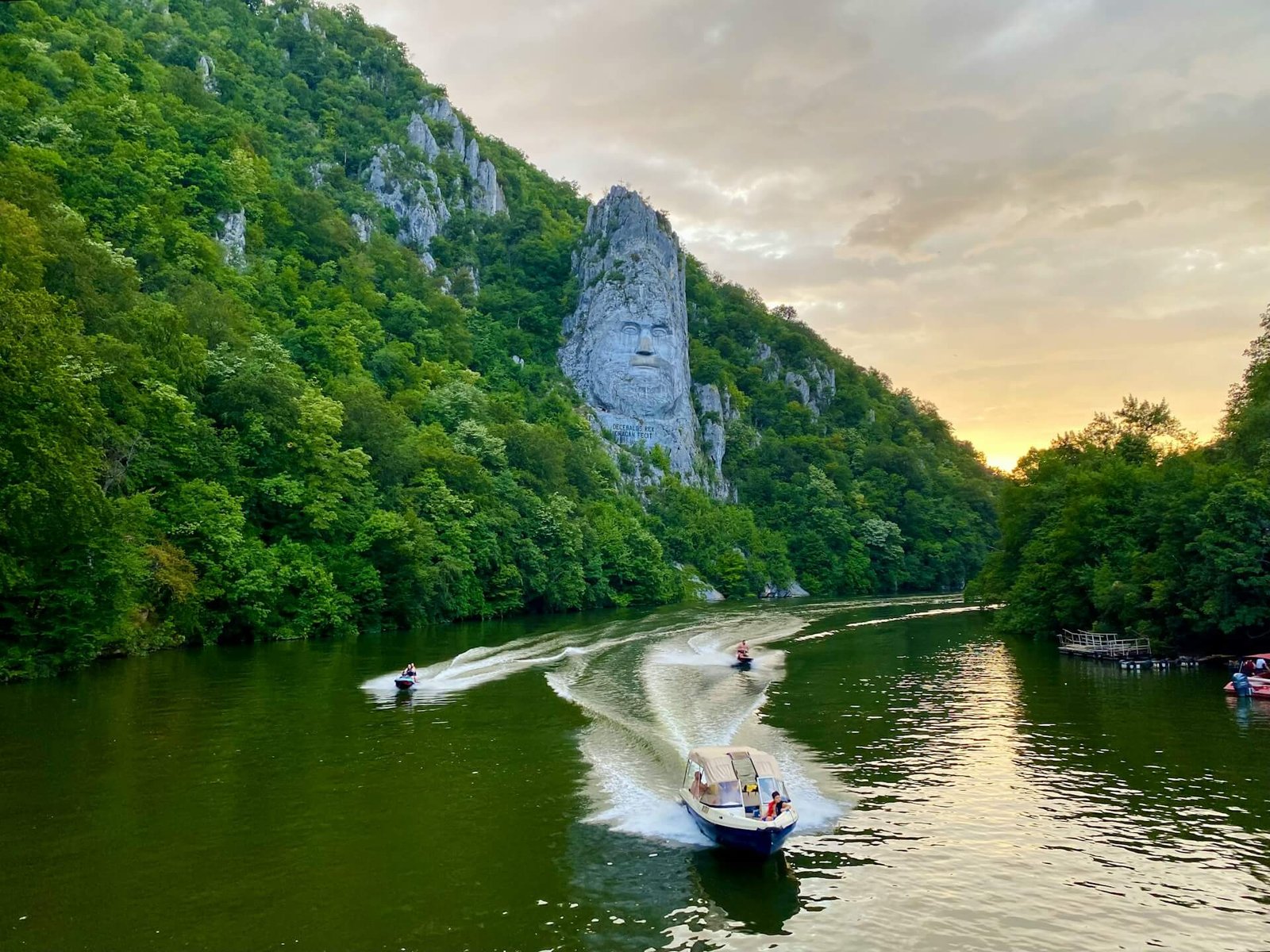
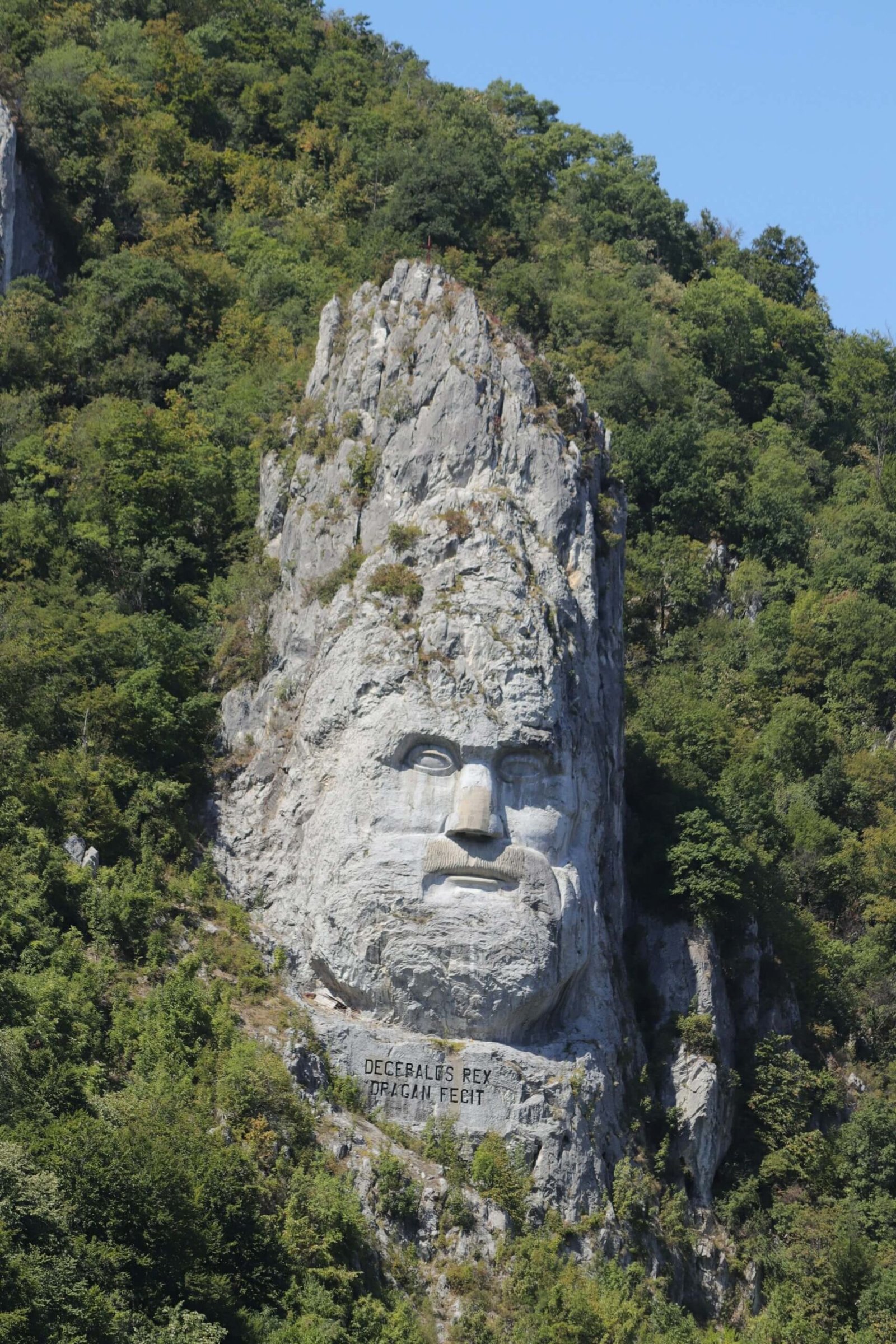
The Iron Gates have sat at the crossroads of numerous civilisations and empires for thousands of years, and evidence is visible on the elaborate carved structures and sophisticated architecture which can be seen on the banks of the Danube inside the gorge.
Romans, Byzantines, Ottomans and Hungarians all recognised the strategic importance of this stretch of the river and today, remnants of that history can still be seen along the banks.
One of the most famous Roman relics is the Tabula Traiana, a memorial plaque carved into the rock on the Serbian side of the Danube. The inscription commemorates the Roman road constructed under Emperor Trajan in the early 2nd century AD, when Roman forces were campaigning in Dacia.
Interestingly, you won’t see the inscription in its original position.
When the Iron Gates hydroelectric dam was constructed in the 1960s, water levels in the Danube rose significantly, and the Tabula Traiana was moved higher up the cliff face to preserve it.
The Remains of Trajan’s Bridge
The Romans didn’t just build roads along the Danube. They also constructed one of the most impressive engineering projects of the ancient world.
Trajan’s Bridge was completed around 105 AD to connect the Roman provinces of Moesia and Dacia. The bridge was designed by the celebrated architect Apollodorus of Damascus and stretched across the Danube near present-day Drobeta-Turnu Severin in Romania.
Its stone piers supported a timber superstructure, allowing Roman troops and supplies to cross the river during Trajan’s campaigns.
Much of the bridge has disappeared over the centuries, but the remains of its piers can still be seen when the water levels drop.
The Iron Gates Locks
If you’re interested in engineering, there’s another reason to pay attention as you travel through the region.
The Iron Gates hydroelectric system includes locks that allow vessels to navigate the changing water levels created by the dams. The system effectively acts like a giant staircase for ships, raising or lowering them so they can continue along the Danube.
Going through the locks is an experience in itself, particularly if you’ve never travelled through a large river lock before.
It’s also a reminder of just how much humans have altered this landscape. The Iron Gates hydroelectric project dramatically changed the river in the 1960s, raising water levels and permanently transforming parts of the gorge. Some archaeological sites were submerged, while others – including the Tabula Traiana – had to be relocated or protected.
Is an Iron Gates Cruise Worth It?
From the grand architecture of Budapest to the charming old town of Bratislava and the nightlife of Belgrade, the Danube has no shortage of famous destinations.
The Iron Gates offer something completely different. Cruising along this part of the Danube offers front-row seats to some of the most fascinating history, interesting landscapes, and impressive engineering works in the region, and there are few European river cruises that offer the spectacular scenery that you’ll see on an Iron Gates cruise.
If you’re doing an 8-night Lower Danube river cruise from Budapest to Bucharest, your itinerary will be part of a broader Danube river cruise, taking in several destinations along the Lower Danube, and trust me when I say that this region has a lot to offer.
If you’re looking for scenic river cruises in Europe or are already considering a Danube river cruise, I’d definitely make sure the itinerary includes the Iron Gates.
It’s not necessarily the most famous part of a Danube cruise, but once the cliffs begin closing in around the ship, it’s difficult to understand why it doesn’t get more attention.
That’s all I’ve got for today’s post, but as always, if you have any questions then don’t hesitate to leave them in the comments section below!
Until next time,
XOXO
If you like this article and would like to support my work, please click the button above to donate a couple of bucks and buy me a coffee. The revenue that I receive on this website is minimal, so support from my readers enables me to keep creating content that you (hopefully!) love to read.
Disclaimer: Travelling Jezebel contains affiliate links. If you make a purchase on a recommended site, I may make a small commission at no extra cost to you.