Ask most people what they think about when they think about museums, and they’ll mention art, history, or archaeology. Most city guides will be full of famous galleries and natural history museums, but did you know that there’s a whole subculture of museums designed to get under your skin?
Over the last decade, I’ve been to some of the most unsettling, bizarre, and sometimes flat-out morbid museums out there. From exhibits on witchcraft and sorcery to mass graves and torture chambers, I’ve seen them all.
So, if you’re the kind of traveller who seeks out the strange, the uncomfortable, or the slightly morbid, this list is for you. Here are 14 types of museums to visit if you’re a dark tourist.
14 Different Types of Museums for Dark Tourists
1. Cabinets of Curiosities
Cabinets of Curiosities were the predecessor to the modern museum.
16th – 18th century Cabinets of Curiosities were essentially private collections of anything unusual: preserved animals, medical anomalies, religious relics, fossils, and other interesting objects that people didn’t fully understand.
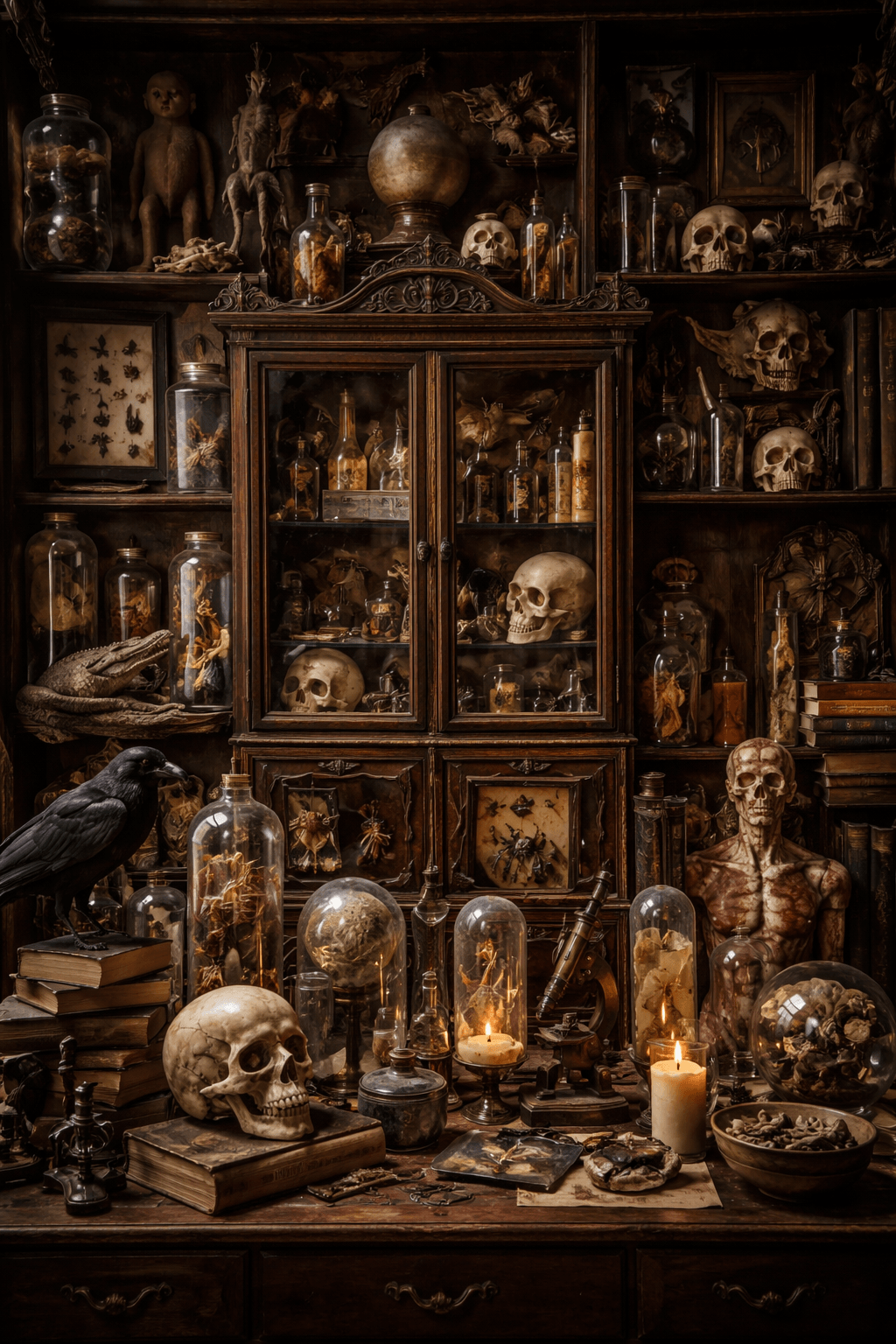
There was no real logic behind displaying these objects beyond fascination, and to leave the visitor with a sense that the world was full of mystery.
While Cabinets of Curiosities are mostly a thing of the past, The Viktor Wynd Museum of Curiosities in London is home to an eclectic collection of shrunken heads, occult artefacts, tribal art and natural oddities like a preserved two-headed kittens.
The popular Ripley’s Believe It or Not! museums are more commercial than a traditional Cabinet of Curiosities, but they still tap into that same curiosity about the strange and the unexplained.
2. Medical Museums
Medical museums can make some people feel a bit squeamish, but that’s kind of the point. In a medical museum, you’re confronted by real bodies (or parts of bodies) real conditions, and the history of how medicine has tried (and often failed) to help.
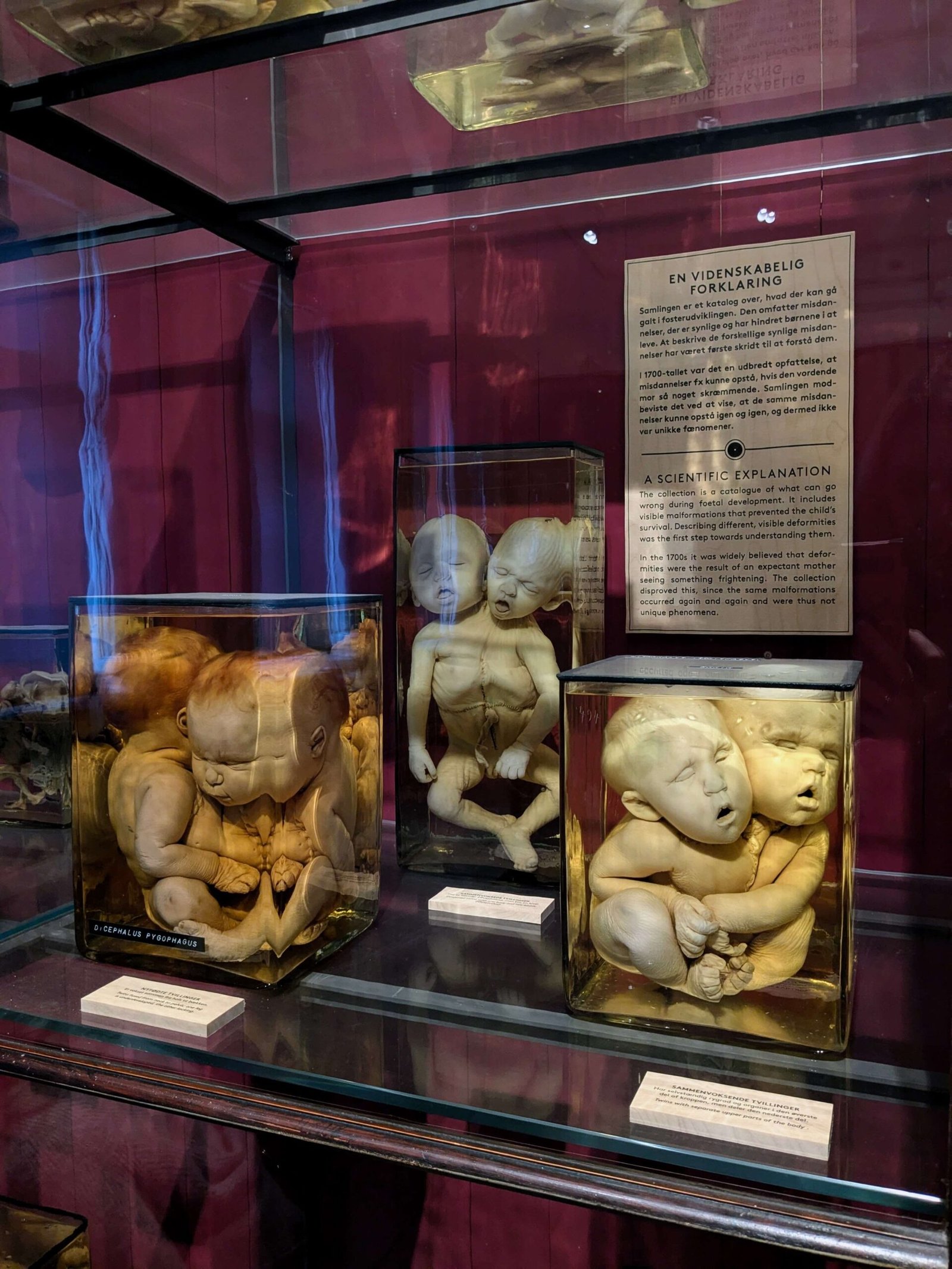
The Medicinsk Museion in Copenhagen is a brilliant example of this, and one of the best (and most jarring) museums I’ve personally ever been to.
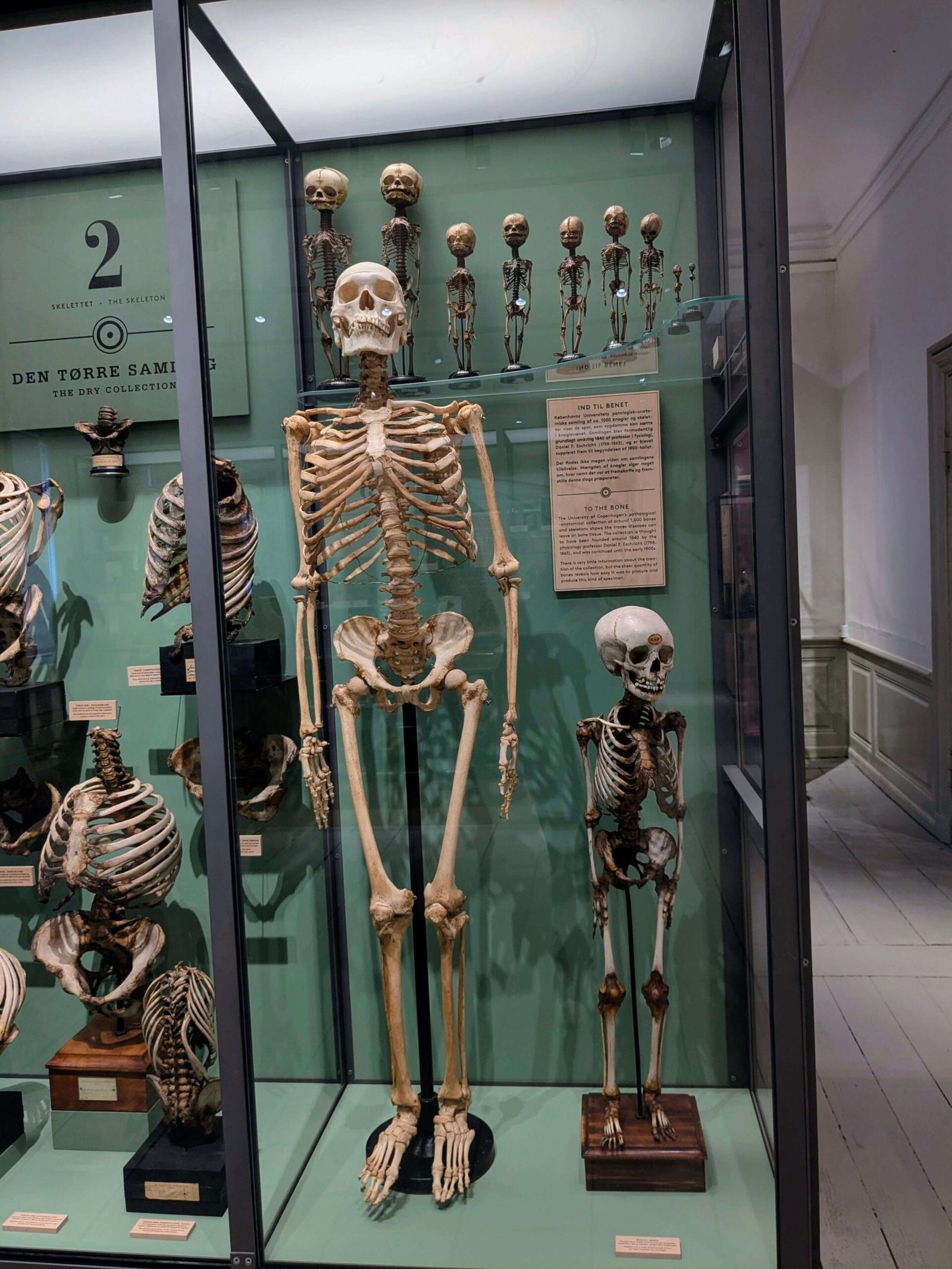
Items on display include the ‘forensic’ collection (preserved stab wounds, blood clots, burns and more), to malformed foetuses, straitjackets and electric shock devices, diseased organs, and more.
These types of museums are not necessarily ‘nice’ to visit, but they force you to confront the often unpleasant realities of the human condition.
You can read my full review of the Medical Museum Copenhagen here.
3. Torture Museums
Torture museums are everywhere in Europe, and they’re one of my guilty pleasures.
These museums are home to morbid collections of devices that were designed to cause maximum pain in the name of justice. Whether every exhibit is historically accurate is sometimes questionable (many torture museums have been exposed for displaying items that were seldom or never actually used in history).
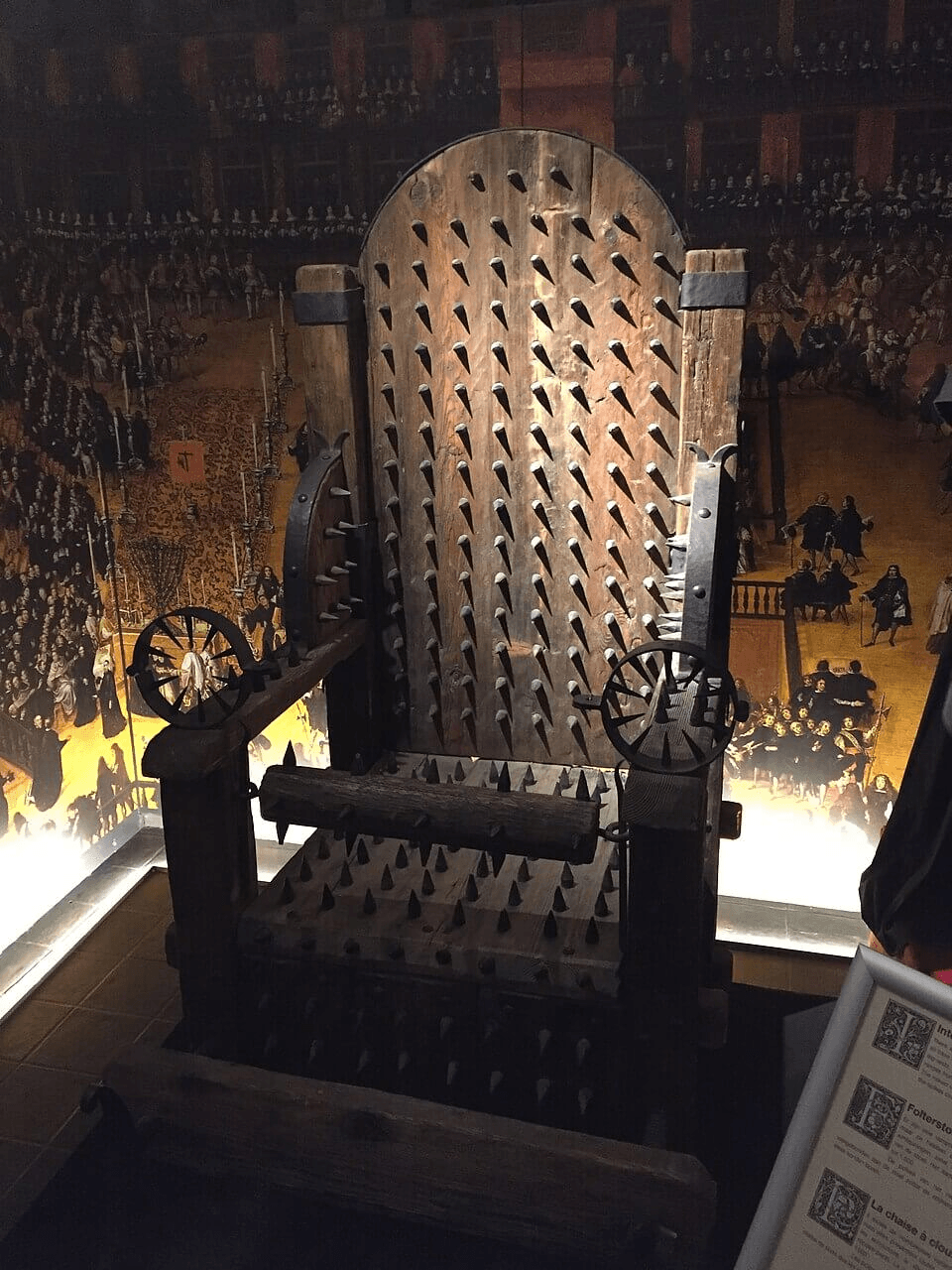
Source: Domaine public, CC0, via Wikimedia Commons
One torture museum that is historically accurate is at the Tower of London. The Torture at the Tower exhibition features replicas of genuine torture devices that were used in the 1500-1600s, including the infamous limb-stretching rack.
I’ve visited torture museums everywhere from Belgrade to Bratislava (and of course, the York Dungeon), and although they’re all very similar, I never tire of the macabre enjoyment they bring me.
4. War Museums
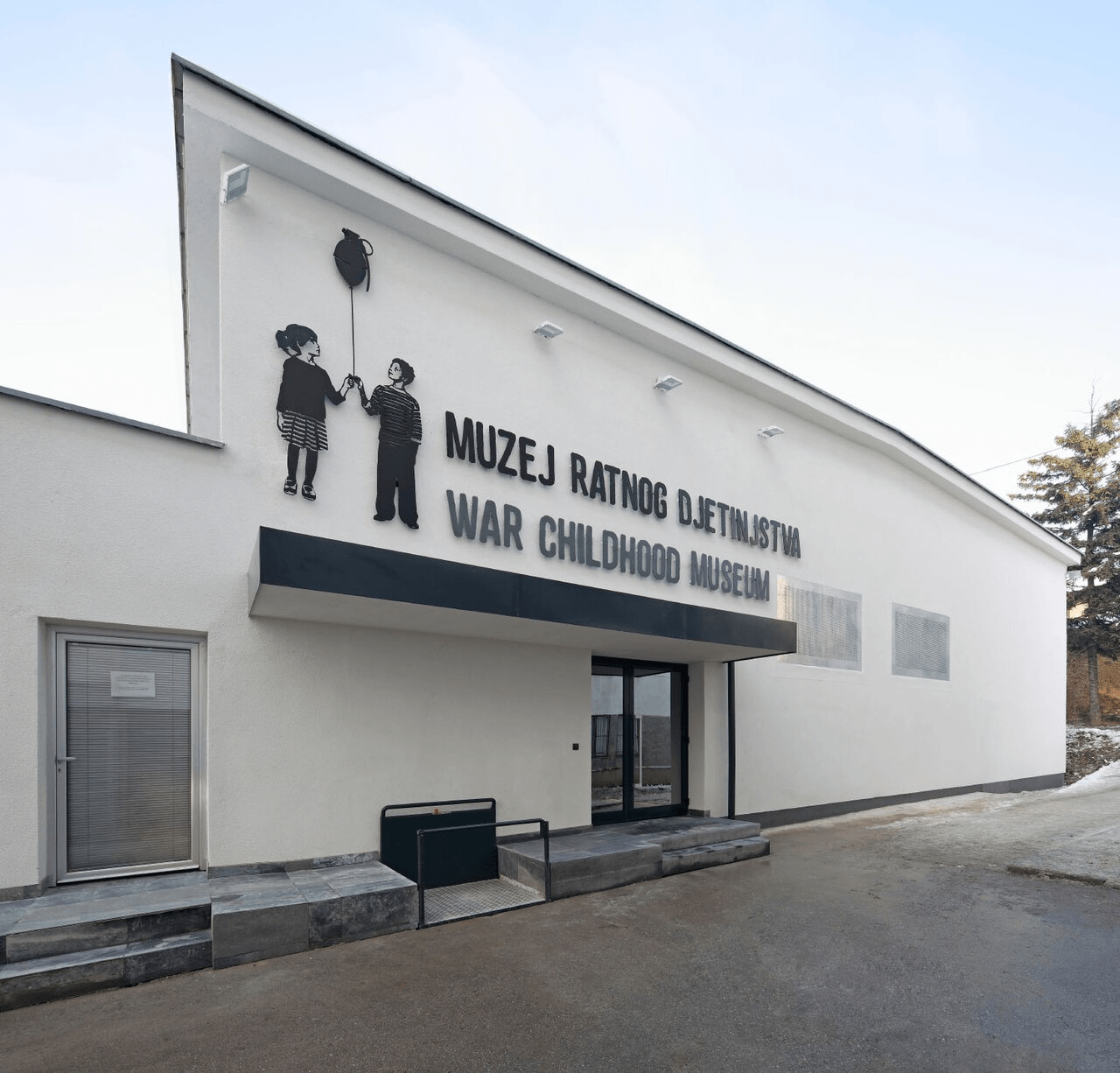
The best war museums focus on people, and one of the best examples I’ve seen of this is at the War Childhood Museum (click the link to read my review of this museum) in Sarajevo. This museum tells the story of the Bosnian War through objects that belonged to people who experienced the war as children.
Teddy bears, half-finished letters, never-worn prom dresses – each item tells a tragic story, and I found this museum far more powerful than those which focus on meticulously documented facts and figures.
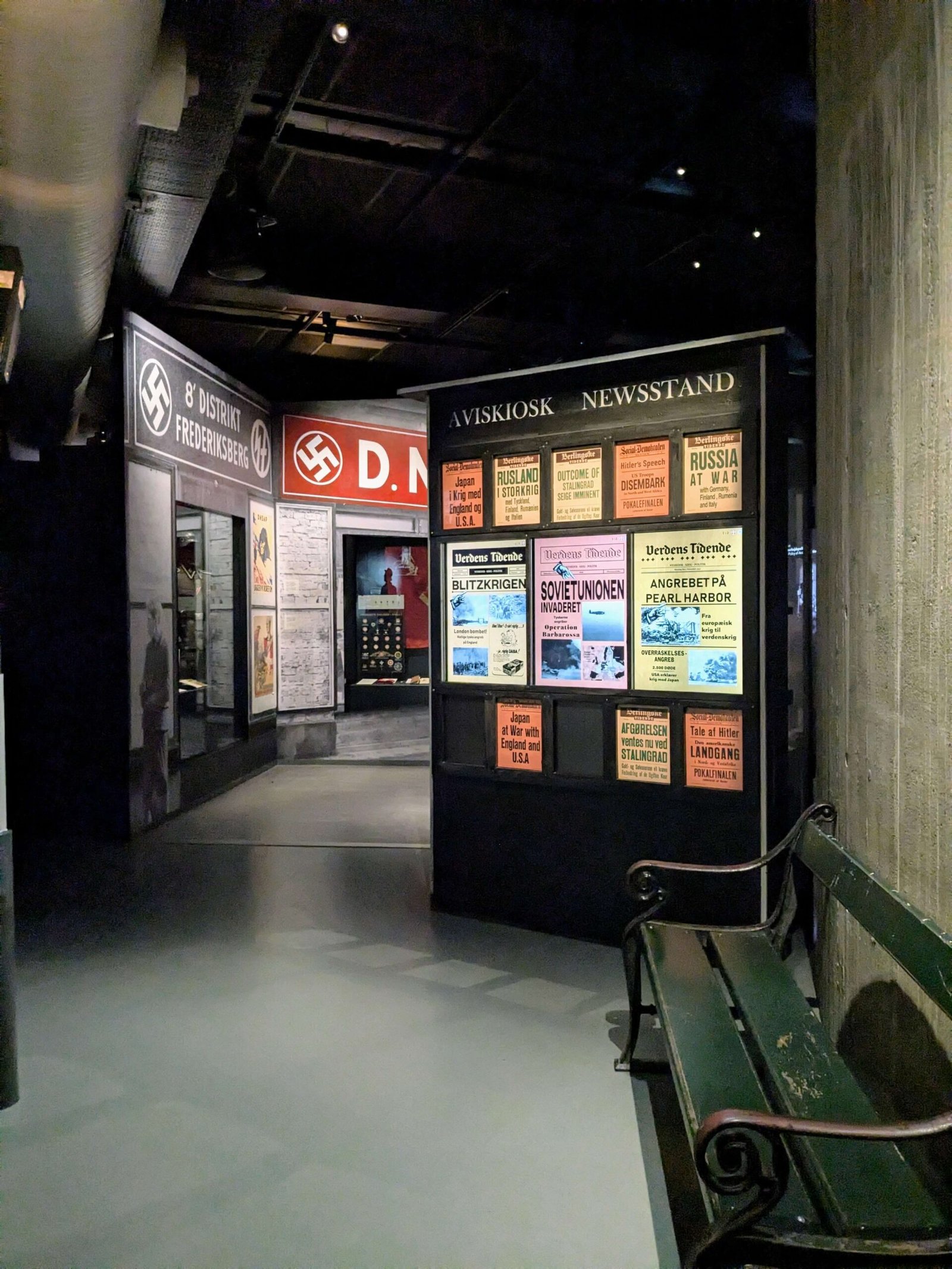
In Manchester, the Imperial War Museum North takes a broader approach (it’s home to more than 2000 objects!), but still centres on personal stories rather than dense timelines and battles. The Museum of Danish Resistance in Copenhagen is also a brilliantly interactive museum that provides an insight into how war affects everyday people.
5. Genocide Museums
These overlap with war museums, but they’re more explicitly about injustice and human suffering rather than military history.
The Museum of Crimes Against Humanity and Genocide (click the link to read my review of this museum) in Sarajevo is, without exception, the most harrowing museum I’ve ever been to, and although the it’s a small museum, it’s absolutely full of heart-breaking stories from the Bosnian war.
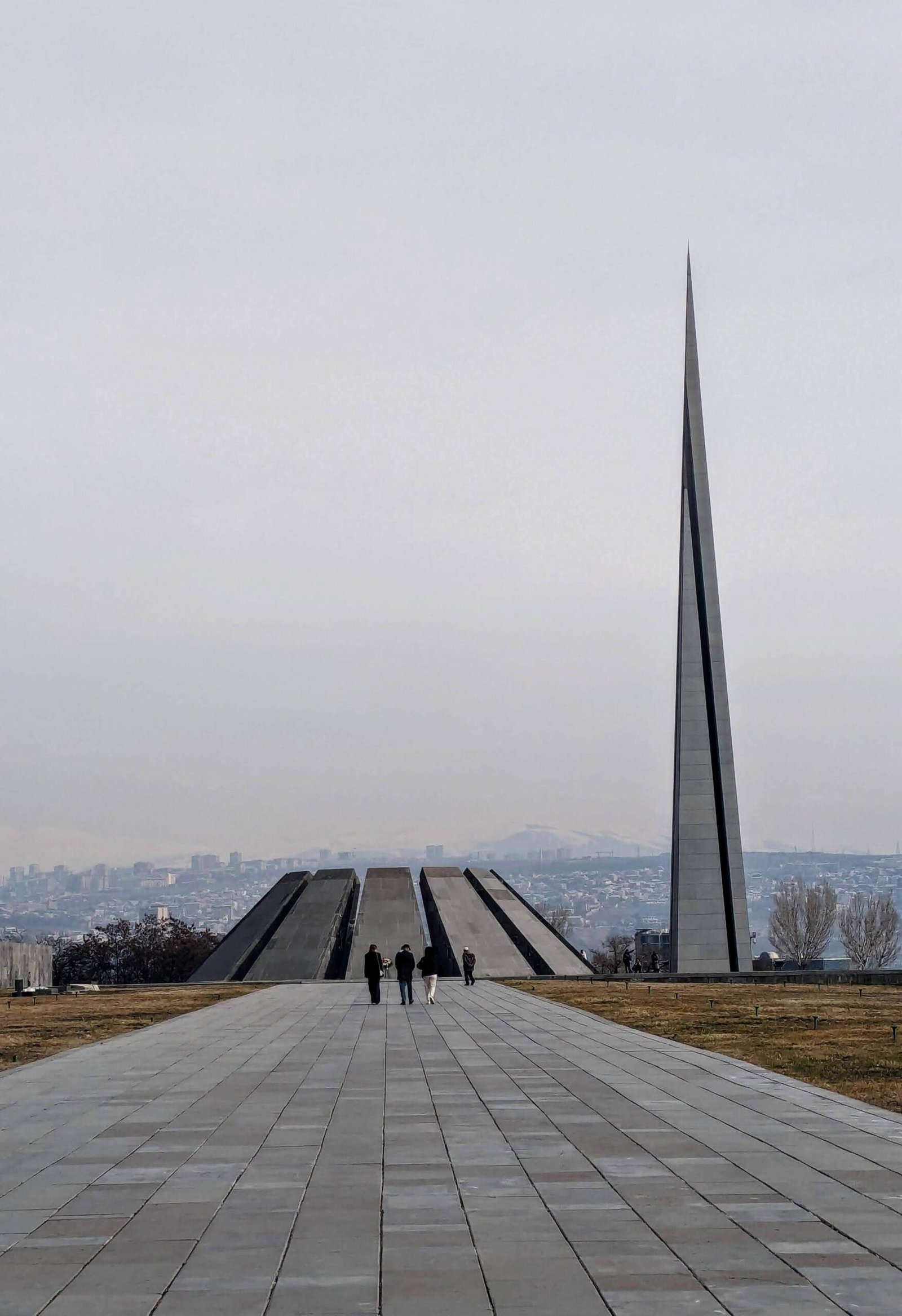
The Armenian Genocide Museum is another powerful human rights museum that I recommend visiting if you ever get the chance.
6. Spy and Surveillance Museums
Espionage will never not be cool, and visiting a spy museum to learn about gadgets, codebreaking, and the mysterious world of undercover intelligence is certainly one of the more interesting ways to spend an afternoon.
The first spy museum I visited was The Stasi Museum in Berlin. It’s located inside the former headquarters of East Germany’s secret police, and you can walk through same rooms where surveillance operations were planned, files were stored, and where people’s lives were quietly monitored and dismantled.
The House of Terror Museum (Terror Háza) in Budapest is another great museum which documents the activities of secret police and the history of fascist and communist regimes in Hungary.
It contains exhibits about Hungary’s relationships to Nazi Germany and the Soviet Union, as well as information about Hungarian organisations like the fascist Arrow Cross Party and the communist ÁVH (similar to the Soviet KGB). There are even examples of cells where the ÁVH would torture prisoners, as well as interrogation rooms.
What makes these museums unsettling isn’t just the history itself. It’s how relevant everything feels today. You leave thinking less about James Bond, and more about how much your own government might know about you.
7. Murder and True Crime Museums
We live in a society that is true crime obsessed, so it makes sense that there would be museums dedicated to it. However, the line between ethics and exploitation sometimes become blurred, and these types of museums can be controversial.
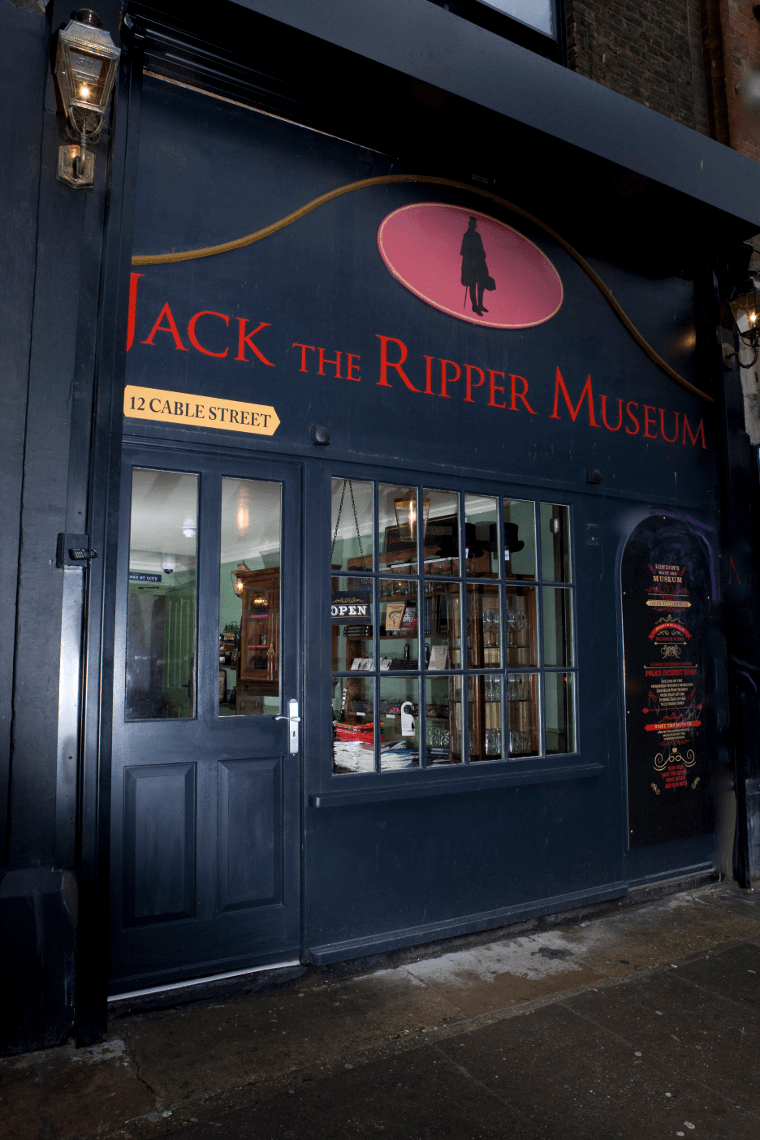
The Jack the Ripper Museum in London is a good example of this. The museum takes the visitor back to Victorian London, and while the immersive atmosphere is effective, some people criticise it for leaning into the entertainment factor rather than respecting the victims.
There’s also the Museum of Death in Los Angeles, where you’ll find crime scene photographs, autopsy instruments, and even artwork by serial killers. The mission of the museum is officially to ‘make people happy to be alive,’ but it also satisfies the morbid curiosities of its visitors.
8. Occult and Witchcraft Museums
Even if you’re not particularly into witchcraft, these museums are super interesting from a cultural and historical point of view, especially in terms of how women have been treated throughout history.
Witchcraft museums are less about magic and more about belief, and what happens when that belief turns into fear. In days gone by, even the accusation of witchcraft could get you ostracised, imprisoned, or killed.
The Museum of Witchcraft and Magic in Boscastle, Cornwall, is a small independent museum dedicated to the study and preservation of witchcraft, magic, and folklore.
It mainly explores British folk magic, and items in the collection include protective charms, manuscripts on alchemy, wands, chalices, and poppets used for sympathetic magic.
There’s also the Icelandic Museum of Sorcery and Witchcraft (Galdrasafn á Hólmavík), which is much darker.
Here you’ll find an ancient Norse hlautbolli (blood cup used in ceremonies involving sacrifice), curses designed to harm, and even a pair of necropants (nábrók)- trousers made from human skin that were thought to bring an endless supply of money to the wearer.
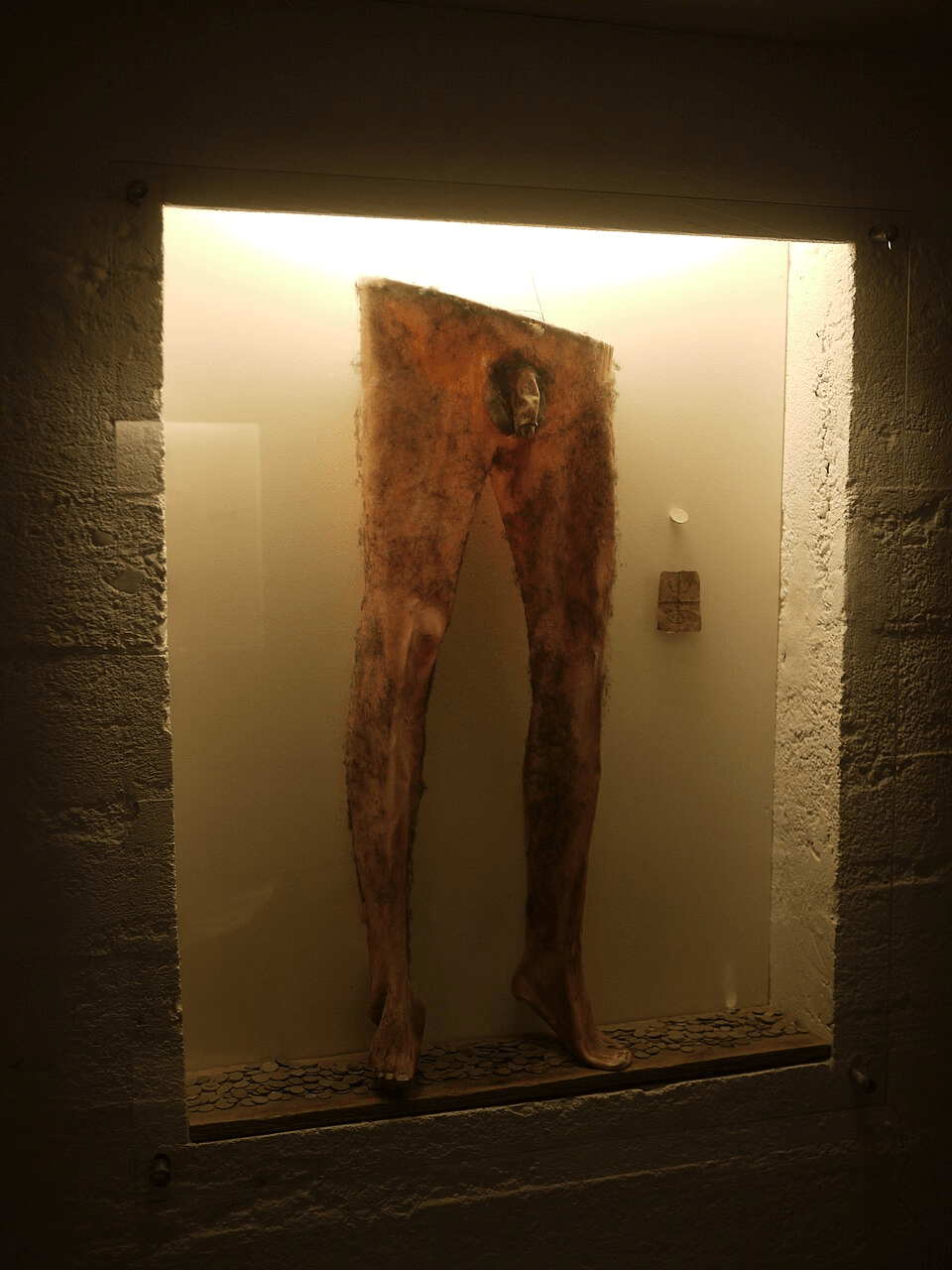
Source: Bensisto, CC BY-SA 4.0, via Wikimedia Commons
9. Prison Museums
Prison museums are unique in the sense that they tend to be left exactly as they were, allowing the visitor to fully immerse themselves in history and imagine what life must have been like for the prisoners confined there.
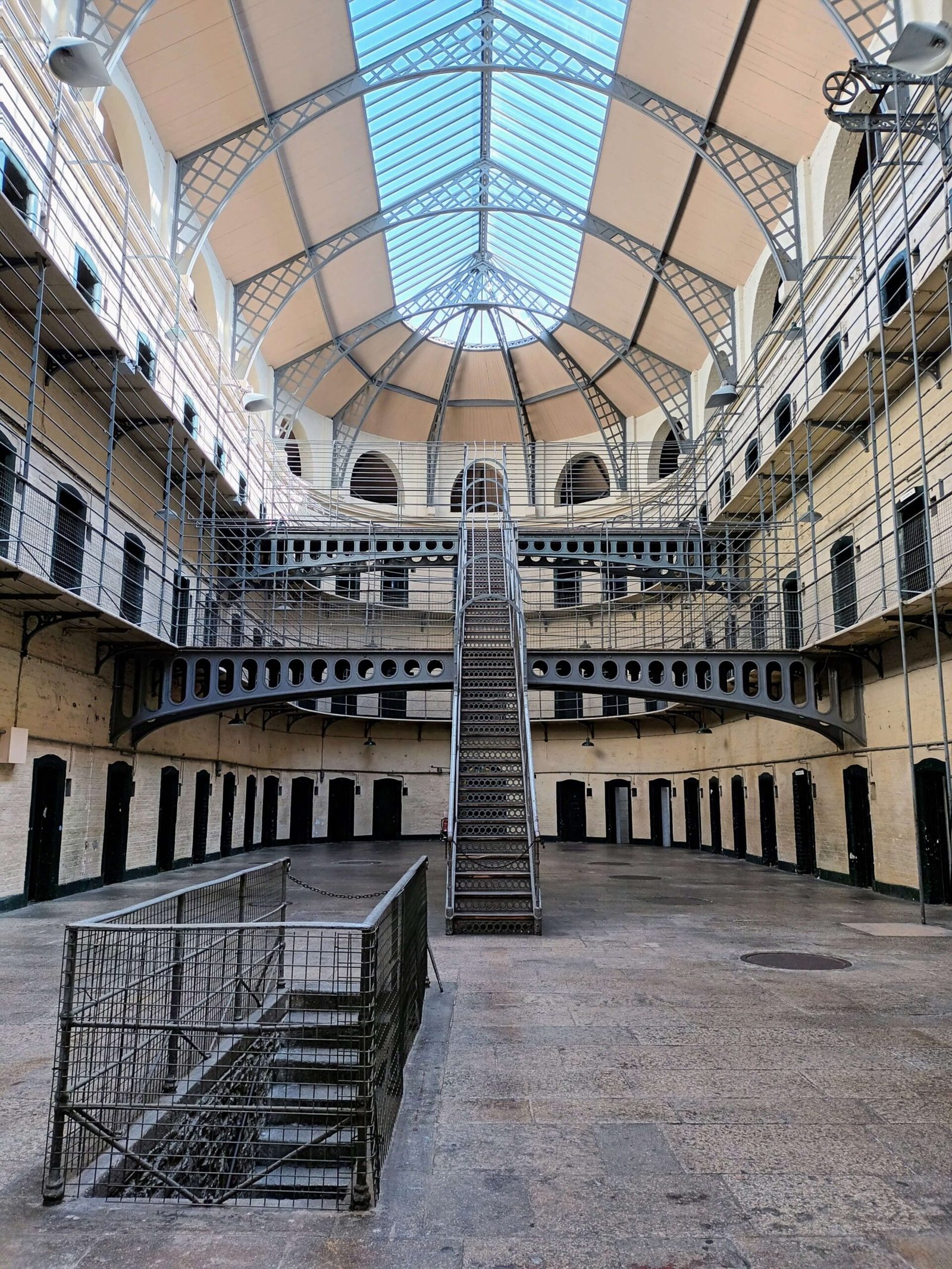
Kilmainham Gaol in Dublin is a prison-turned-museum with strong focus on Irish political and revolutionary history. The prison is most well-known for detaining key figures in Irish nationalist uprisings, including the leaders of the Easter Rising, who were executed in its Stonebreakers’ Yard. I took a guided tour here and it was fascinating.
Perhaps the most disturbing prison museum I’ve visited was the Tuol Sleng Genocide Museum (formerly known as S-21, or Security Prison 21) in Cambodia.
S-21 Prison was a school that was converted into a prison when the Khmer Rouge came into power.
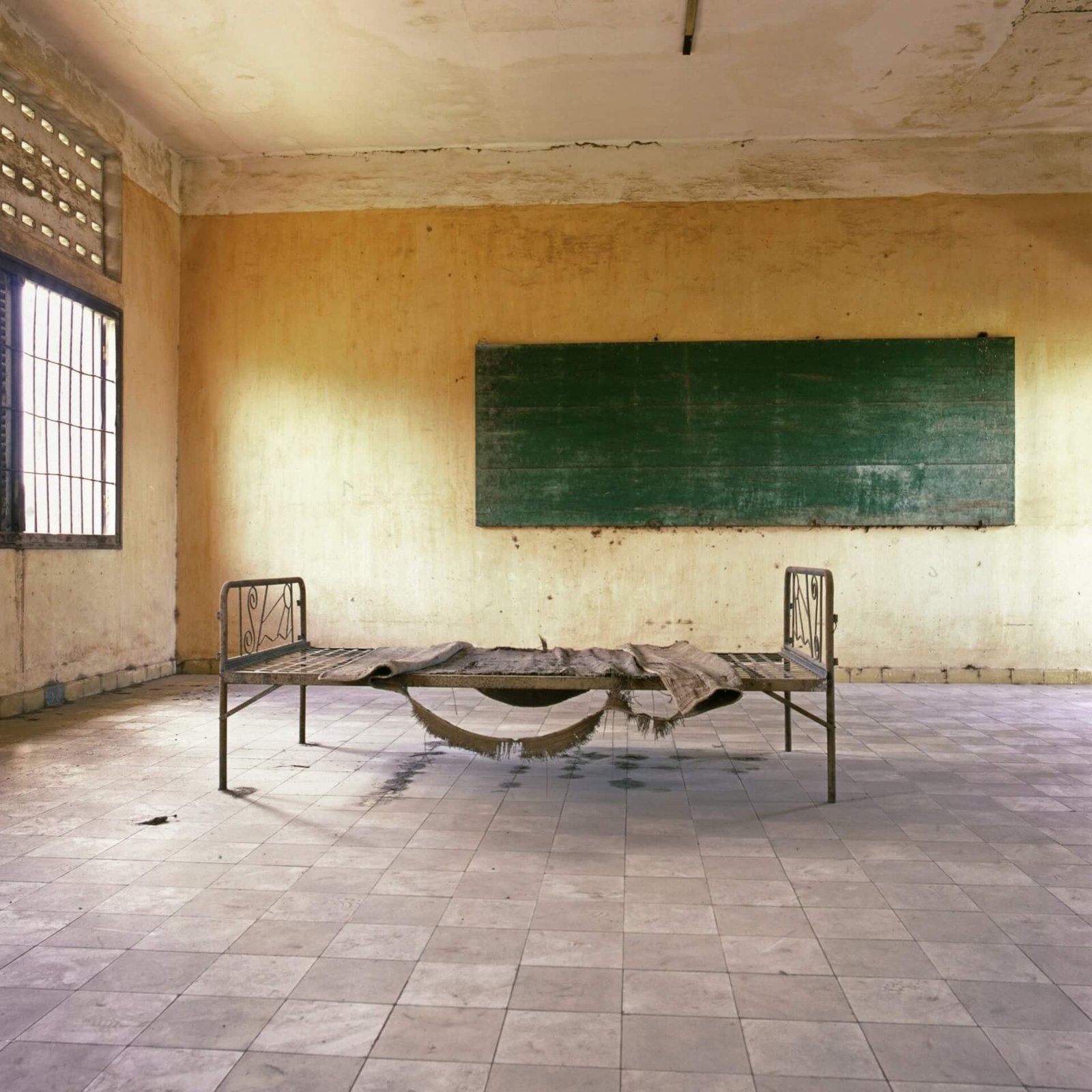
Of 20,000 people who passed through the prison, only 12 survived. The rest were starved, tortured and forced to sign false confessions before they were brutally murdered by the prison guards.
To this day, their blood stains remain on the floors and walls of the building.
You can read more about the Tuol Sleng Genocide Museum in my blog post about my visit.
10. Disaster Museums
Disaster museums tend to be built around a single event, but they rarely stay contained to that moment. The scale of disruption, the long-term fallout, and the way that ordinary lives can be irrevocably damaged in an instant is incredibly sobering.
Chernobyl is an obvious example of this (due to the war between Russia and Ukraine, it is not currently possible to visit the exclusion zone), as well as Titanic Belfast, the 9/11 Memorial and Museum in New York, and the Hiroshima Peace Memorial Museum in Japan.
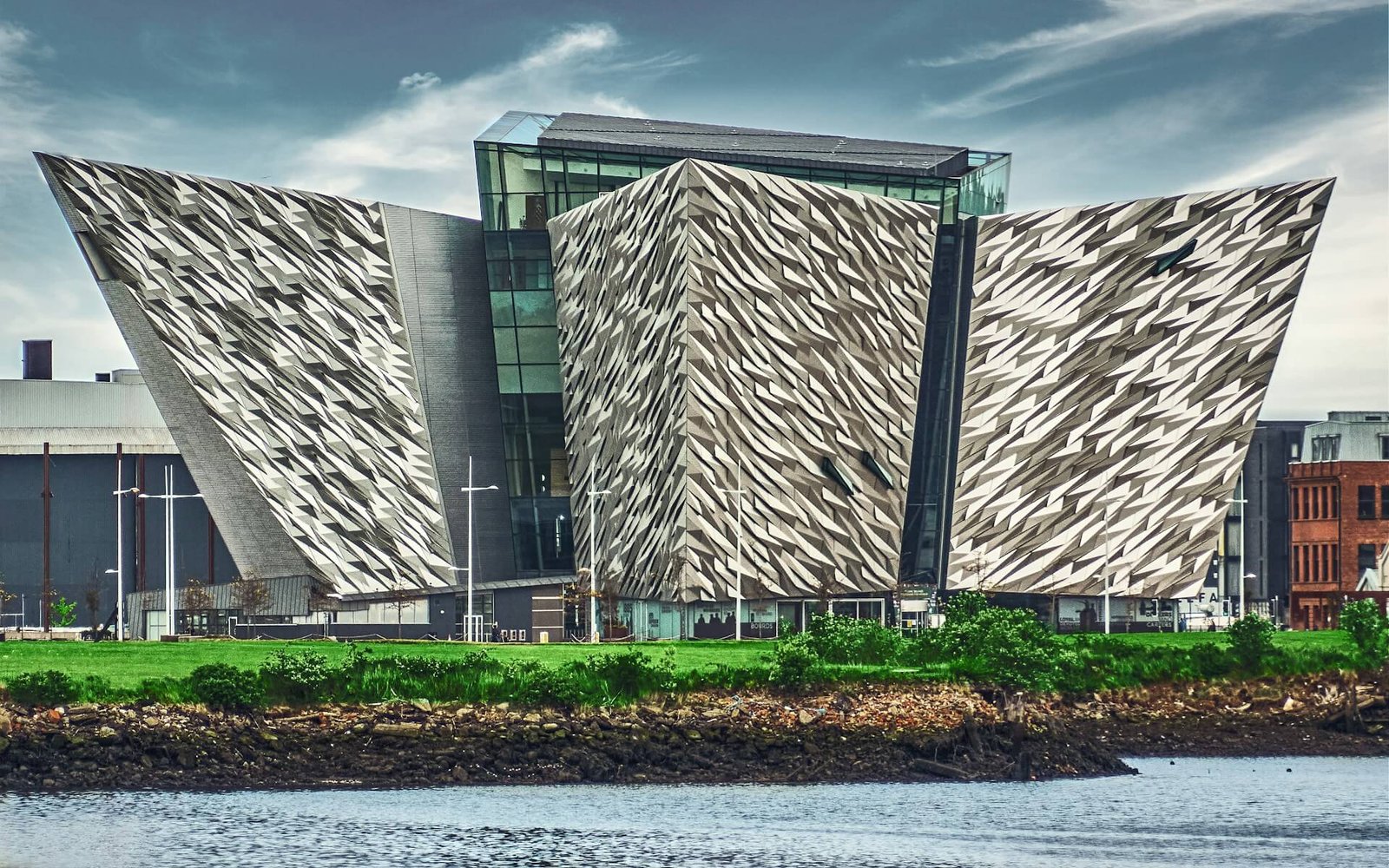
These types of museums don’t just focus on a single dramatic moment – they also cover everything that follows tragic events, from the failure of the systems designed to protect to the efforts to rebuild, and the lives that were destroyed.
Some disaster museums are immersive experiences with simulations, recreated environments, and sound design, while others are more traditional, focusing on documents, footage, and personal testimony.
11. Funeral and Death Museums
These are less confronting than some of the other types of museum on this list, but they still have a distinctly morbid feel to them.
The National Museum of Funeral History in Houston Texas houses one of the world’s largest collections of funeral-related artifacts, and goes into detail about embalming, death rituals, mourning traditions, and how these things have changed over time.
The Vienna Funeral Museum reflects the city’s long-standing fascination with death and elaborate funeral customs, sometimes described as a ‘culture of beautiful dying.’ The museum both explains and contextualises these traditions, and features items such as coffins, hearses, and mourning attire, as well as more unusual items such as reusable ‘economy coffins.’
12. Museums at Sites of Atrocity
There’s a big difference between learning about something and visiting the place where it actually happened.
At sites like Auschwitz-Birkenau Memorial and Museum (you can buy your Auschwitz tickets here if you’re planning a trip to Krakow), you physically walk through the barracks, by the train tracks, and through the gas chambers where so many innocent people perished.
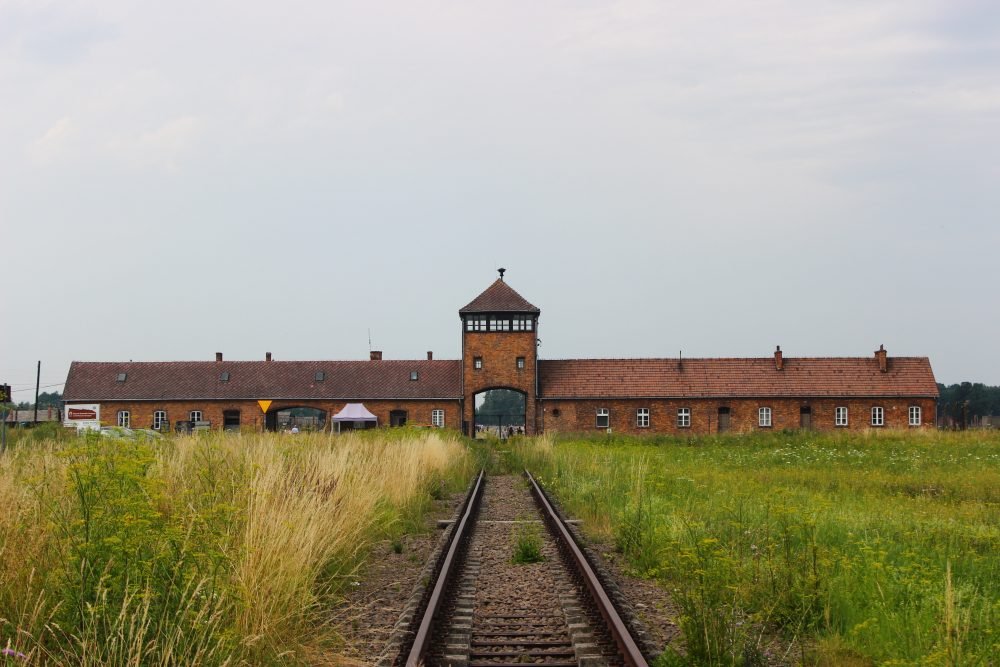
It’s the same for the Killing Fields in Phnom Penh (Choeung Ek Genocidal Center). Walking past mass graves and the ‘killing tree’ used to murder babies, it’s impossible to feel any distance between the traumatic events of the past and present day.
These are not places you enjoy, and they’re not supposed to be. They strip away the parts of museum-going that usually make things easier to process (lighting, layout, narrative) and leave you with something much more difficult to digest.
13. Catacombs
Catacombs are easy to romanticise until you’re actually in one.
The Catacombs of Paris are easily the most famous catacombs in Europe, but the lesser-known Capuchin Catacombs of Palermo (Sicily) bring the macabre to a whole new level. Palermo’s catacombs are home to strikingly well-preserved bodies, still dressed in their best Sunday clothes, and positioned in ways that make them look as though they might spring to life at any second.
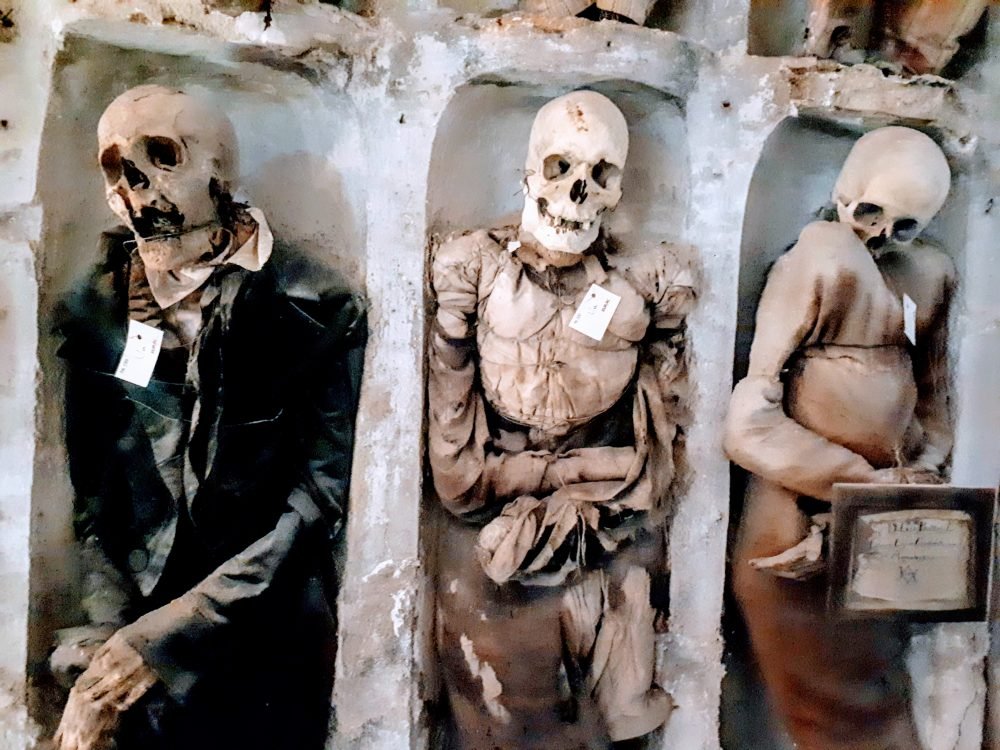
There’s even a little girl named Rosalia Lombardo (13 December 1918 – 6 December 1920), who was just two when she died, and has been almost perfectly-preserved, so much so that she looks as though she is merely taking a nap.
Another interesting place to visit is the Brno Ossuary in Brno, Czechia, which is the second-largest ossuary in Europe, and home to the remains of over 50,000 people.

What I find so unique about catacombs is the fact that there is no attempt to hide or shy away from death. There’s no sense that death is something to be kept out of sight. It’s an interesting perspective, and although catacombs are definitely unsettling places to visit, they’re also some of my favourite.
14. Psychiatry Museums
Psychiatry museums are dedicated to the ways in which society has tried to understand, categorise, and control the mind. A lot of these museums are housed in former psychiatric institutions, which adds to the eerie, unsettling feel.
The Museum of the Mind in Haarlem, Netherlands, is a good example. Set in a former psychiatric hospital, it explores early psychiatric practices, patient stories, and the evolution of how mental illness has been treated and understood over time.
There are also places like the Glore Psychiatric Museum in St, Joseph, Missouri. This is the largest museum of its kind in the world, and has an enormous collection of primitive ‘treatment’ devices (including restraint cages and ice baths), as well as patient artwork and personal accounts that make it clear how confusing and frightening the experience could be.
What makes psychiatric museums so unsettling is how recent a lot of the seemingly barbaric practices were. The shift away from institutionalisation towards more humane treatment is still evolving, and some treatments (like ECT, for example) haven’t changed as much as you’d like to think.
Types of Museums | Final Thoughts
So, that just about brings us to the end of my dark tourism museums!
Whether you’re a dark history lover, a true crime addict, a witchy traveller, or a wannabe spy, there is a category of museum designed just for you.
I hope that you’ve found this article interesting and if you have any questions, please leave them in the comments section below!
Until next time,
XOXO
You May Also Like
Inside Penang Snake Temple: Is Malaysia’s Strangest Attraction Worth Visiting?
17 Unique Museums in Krakow for the Curious Traveller
The Unofficial Rules for Visiting Auschwitz
Visiting Sarajevo With a Bosnian War Veteran
Sighisoara, Birthplace of Dracula
Visiting Transnistria, Moldova
The Anti-Communist Gnomes of Poland
Logan Paul and Suicide Forest – What Happened in Aokigahara?
The War Childhood Museum in Sarajevo | A Harrowing Visit
Museum of Crimes Against Humanity and Genocide, Sarajevo
Why You Shouldn’t Go to North Korea
Dark Tourism in Cambodia: The Killing Fields & S21 Prison
If you like this article and would like to support my work, please click the button above to donate a couple of bucks and buy me a coffee. The revenue that I receive on this website is minimal, so support from my readers enables me to keep creating content that you (hopefully!) love to read.
Disclaimer: Travelling Jezebel contains affiliate links. If you make a purchase on a recommended site, I may make a small commission at no extra cost to you.