
8 Best Cities for Digital Nomads in Europe
When I first embraced the digital nomad lifestyle, the phrase ‘digital nomad’ wasn’t even a thing. The year was 2016, and while sure, some people were travelling full-time and working online, it wasn’t like it is today.
Back then, if people wanted to work and travel, they got jobs teaching English, working in hostels, or running pub crawls for drunk backpackers (and yes, I have also worked all of these jobs).

While I was growing my travel blog, I was living on the island of Koh Rong (Cambodia), where there was barely any WiFi, zero cell service, and none of the aesthetic, laptop-friendly cafes that you see all over Southeast Asia today.
I was living the dream, but it wasn’t glamorous, and it certainly wasn’t easy.
However, in the years since, the location independence lifestyle has taken the world by storm, and there are so many destinations for digital nomads to choose from.
In this blog post, I’m going to share some of the best cities for digital nomads in Europe. The reason I’m sticking to Europe is that everybody already knows about Bali and Chiang Mai, and if we’re being totally honest, the world doesn’t need another article about those places.
Europe has so much to offer to digital nomads, from breathtaking mountain towns to stunning seaside cities.
The best bit? There are so many affordable cities for digital nomads in Europe that living here doesn’t have to break the bank – in fact, some of the cheapest countries for digital nomads are actually in Europe!
So, with that out of the way, let’s get into it. Here are my picks of the best cities for digital nomads in Europe.

Best Cities for Digital Nomads in Europe
My Criteria
I should start by saying that this won’t be a super long list, because I’m only sharing places that I have personally visited, worked in, and in some cases, lived in.
I’m also not going to include somewhere on this list just because it’s the cool place to be, or because I think I ‘should’ include it.
I evaluated each city based on:
- Cost of living
- Internet connection
- Digital nomad communities
- Coworking spaces/laptop-friendly cafes
- Safety
- Overall quality of life
Digital Nomad Essentials
If you’re going to live in Europe as a digital nomad, there are certain things that are going to make your life infinitely better.
Even the most digital nomad-friendly city out there won’t cut it if you haven’t held up your end of the bargain, so without further ado, here are some digital nomad essentials that should be non-negotiable if you’re serious about this lifestyle:
eSIM
Choosing accommodation or a coworking space with decent Wi-Fi is important, but if you’re a full-time digital nomad, you’ll need your own data connection as well.
Most of the places that I’ve featured on this list have reliable internet, but there are a couple where the speeds just aren’t the best, or the connection can be unpredictable.

Enter, your new best friend – Pangia Pass. The Pangia Pass eSIM gives you unlimited (yes, truly unlimited) data across 105 countries, including every country mentioned in this article.
I’ve written before about the benefits of eSIM, but if you’re already a digital nomad then you likely already know that buying a plastic SIM card in every new country or relying on local Wi-Fi is not it. With Pangia Pass, you only have to think about one SIM, and you don’t have to constantly download new ones or top up every time your destination changes.
Pangia makes connectivity a non-issue, and trust me when I say that arriving in a new place is so much less stressful when you don’t have the ‘arrival admin’ of getting set up with mobile data.
For more information and to compare plans, check out the Pangia Pass eSIM here.
Travel insurance for digital nomads
Travel insurance is essential, but it can be difficult to find the right insurance as a digital nomad.
One of the best options for travel insurance if you’re a nomad is SafetyWing. What I like about SafetyWing is that it covers medical emergencies, hospital stays, and even unexpected travel delays. I also like that it’s designed for long-term and flexible travel, so it’s perfect for country-hopping around Europe.
A bank card that won’t break the bank
One of my non-negotiable digital nomad essentials is a Monzo bank account.
As far as I’m aware, you have to be a UK resident to have a Monzo account (sorry to my American readers!), but it’s been a game-changer for me.
Monzo is one of the easiest ways to manage money abroad without constantly worrying about fees. You can spend abroad at the real exchange rate, track everything instantly in the app, freeze your card if it goes missing, and create pots for things like rent, flights, or emergency funds.
It’s especially useful if you’re moving between countries or working online, because everything is easy to manage from the Monzo app. I’ve included my Monzo referral link here – if you sign up through it, you’ll get a small bonus once you make your first card payment.
If you’re enjoying this article so far, please consider buying me a coffee. The ad revenue that I make on this website is minimal, and reader support allows me to continue writing and publishing travel guides!
8 Best Cities for Digital Nomads in Europe
1. Bansko, Bulgaria
I visited Bansko in Bulgaria in 2022, and I understood immediately why it’s become one of Europe’s biggest digital nomad hot spots.
This mountain town in Bulgaria is a buzzing ski resort in winter, and an outdoor-lover’s paradise in summer, with an abundance of gorgeous hiking and cycling opportunities, plus a thriving digital nomad community year-round.

If you’re prioritising affordability and quality of life, you can’t go wrong with Bansko. Living costs here are significantly lower than in many Western European cities, with studio apartments costing as little as 300 EUR per month (or even less, if you look hard enough!).
Eating out is also very affordable, and you can get a meal and a beer in some of Bansko’s best restaurants for under 10 EUR.

Bansko’s internet infrastructure supports remote work reliably, with solid speeds in coworking spaces and good connectivity across cafes and apartments.
What really sets Bansko apart though, is its huge digital nomad community. With multiple coworking spaces, regular socials, and the annual Bansko Nomad Fest drawing hundreds of remote workers from around the world, Bansko is easily one of the best digital nomad cities in Europe.
Read | Why Banko is a Must-Visit Summer Destination

2. Tirana, Albania
Tirana, the capital of Albania, is somewhere I’ve been several times, and while I’ve never stayed there long-term, I can see how it has emerged as the city of choice for digital nomads in Europe.
Not only is Tirana a very safe city, but the cost of living in Tirana is noticeably lower than in Western Europe, and Albanians are very welcoming to foreigners.

Internet connectivity in Tirana is reliable enough for most remote work needs, with good broadband and mobile data options widely available, and a growing number of coworking spaces and cafes serving as regular work spots.
Cafe culture in Albania is so strong that nobody will look twice if you make an espresso last for two hours – in fact, they’ll probably wonder why you’re drinking so fast!
The digital nomad community in Tirana is still in its infancy, but while it doesn’t yet rival larger nomad hubs, there are still expat groups and coworking communities where remote workers can connect.
Read | A 3-Day Tirana Itinerary for First-Time Visitors
Read | 23 Best Things to do in Tirana

3. Valencia, Spain
I lived in Valencia for 12 months (and in the province for a further 8), and in my opinion, Valencia is a really underrated place for digital nomads.
Valencia is much more affordable than Barcelona and boasts over 300 days of sunshine, a walkable city centre, Mediterranean beaches on your doorstep, bike-friendly streets, and tonnes of green spaces. Trust me when I say that the quality of life in Valencia is seriously hard to beat.
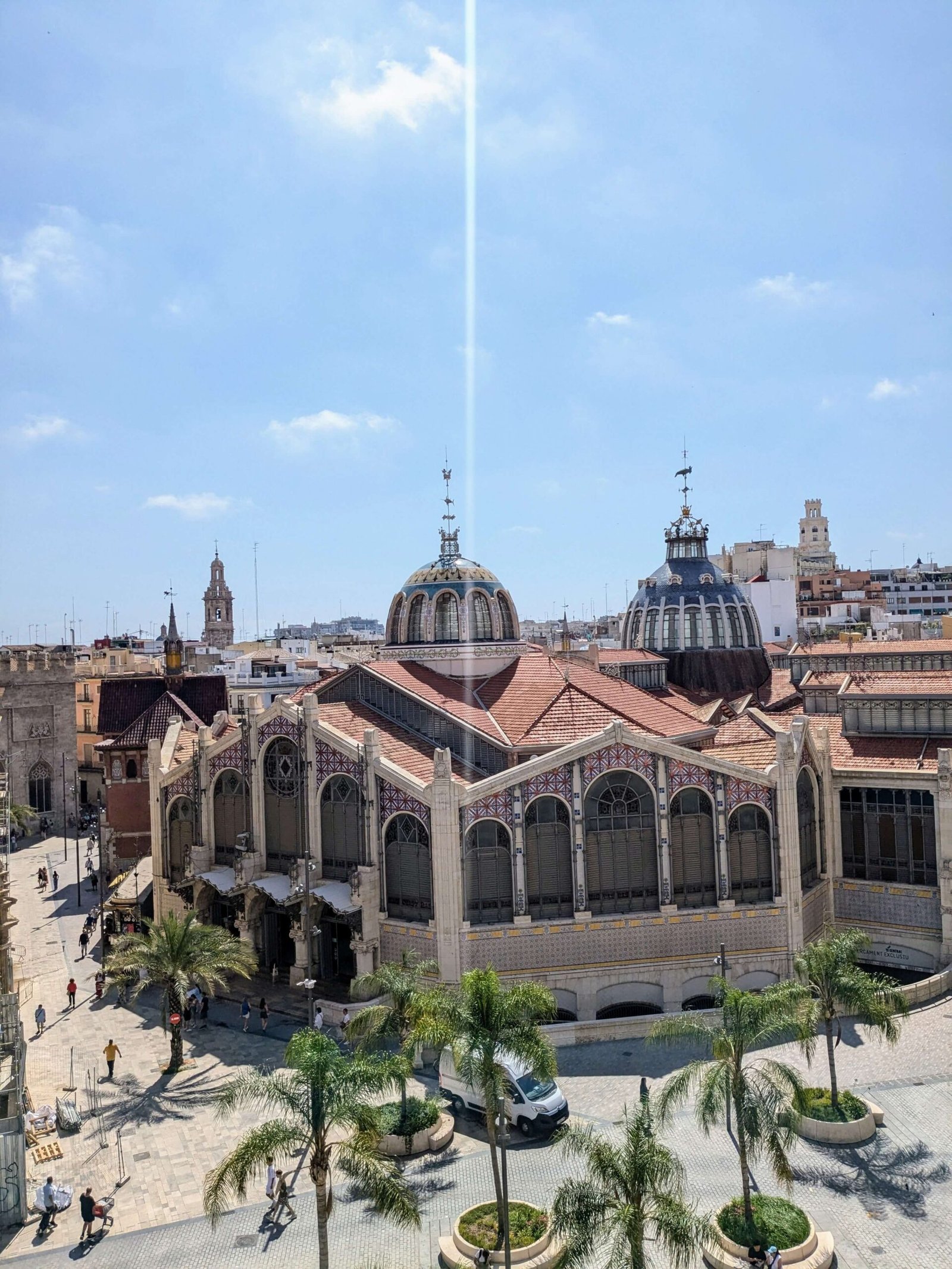
There’s a decently-sized nomad/expat community, regular meet-ups and language exchange groups, and a wide selection of coworking spaces to choose from.
There is some petty crime in Valencia, but it’s nothing compared to larger European cities like Paris or Rome, and the overall crime rate in Valencia is very low.

Valencia is definitely one of the best cities in Spain for digital nomads, and perhaps even one of the top digital nomad cities in Europe!
Read | A Guide to Ruzafa, Valencia’s Hipster Neighbourhood
4. Krakow, Poland
Kraków is one of my favourite cities in the world, and while it attracts so many tourists, it doesn’t often make the lists of best cities for digital nomads, and I have no idea why!
Not only is Krakow super safe, but it’s also more affordable than Western Europe, with a great infrastructure and lots of green spaces, allowing for a high quality of life.

English is widely-spoken (especially amongst younger people), and the city’s reliable internet and abundance of coworking spaces and coffee shops support remote work.
There are also regular events and groups for internationals, from theatre groups to book clubs and casual meet-ups.
Read | 56 Unusual Things to Do in Krakow

5. Tbilisi, Georgia
Before the pandemic, Tbilisi was fast-becoming one of Europe’s most talked-about digital nomad hubs, and while that growth stalled for a couple of years, it’s now regaining its status as one of the best cities for digital nomads.
There’s a vibrant cafe culture in Tbilisi, as well as a number of coworking spaces where you can meet digital nomads and locals. There’s a strong creative scene in Tbilisi, and Georgian people are passionate about what they believe in (you only have to glance at the street art to see how they feel about Russia).
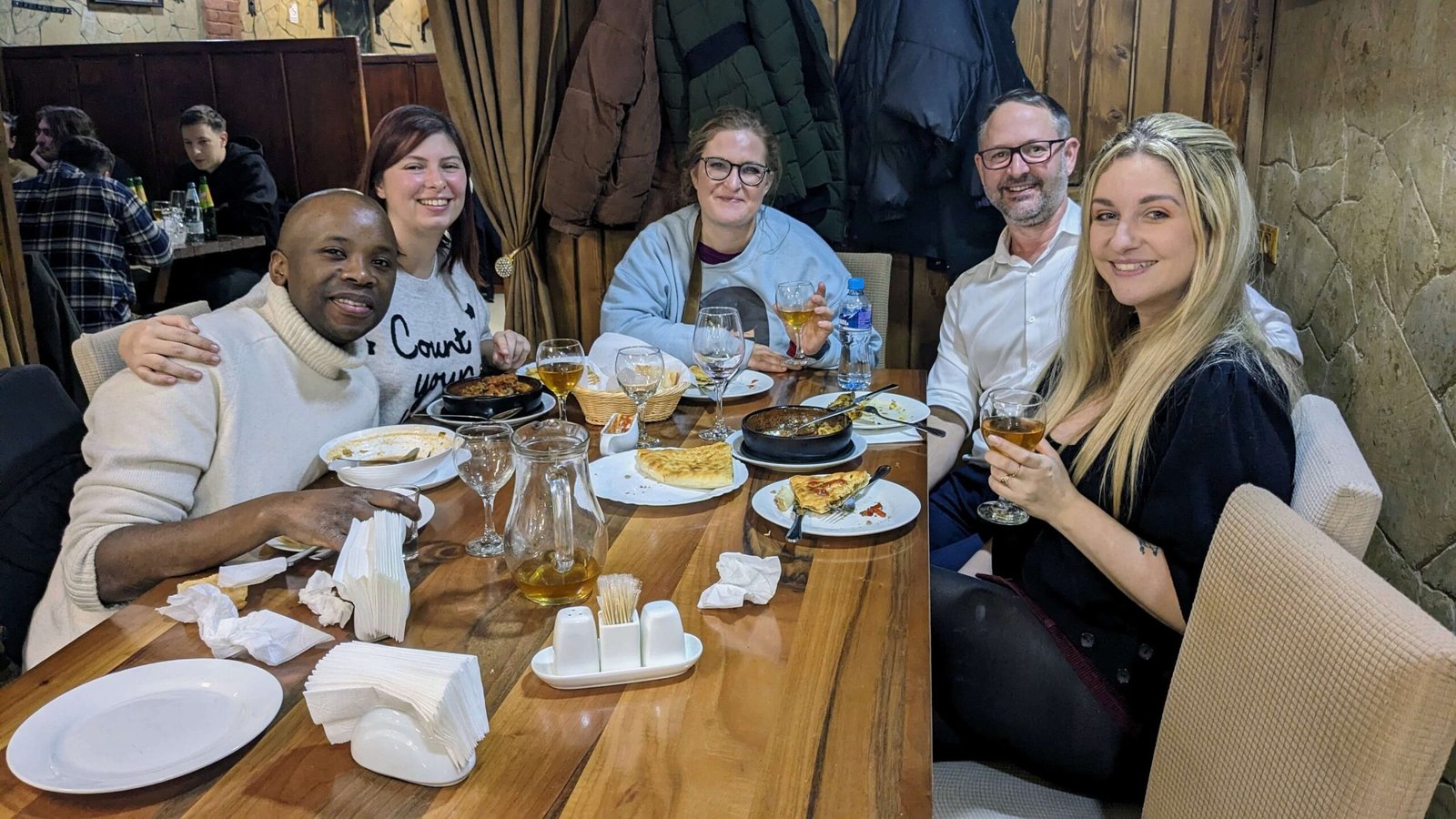
Not only is the cost of living in Tbilisi extremely low (Tbilisi is one of the cheapest digital nomad destinations in the world), but there’s a strong internet infrastructure and Tbilisi is consistently ranked as one of the safest cities in the world.
If you’re thinking about staying longer, comprehensive resources like Tbilisi Expat, a complete guide covering visas, housing, cost of living, and settling-in tips, can be especially helpful.
The best bit? Citizens from 90 countries can stay in Georgia visa-free for up to 365 days.
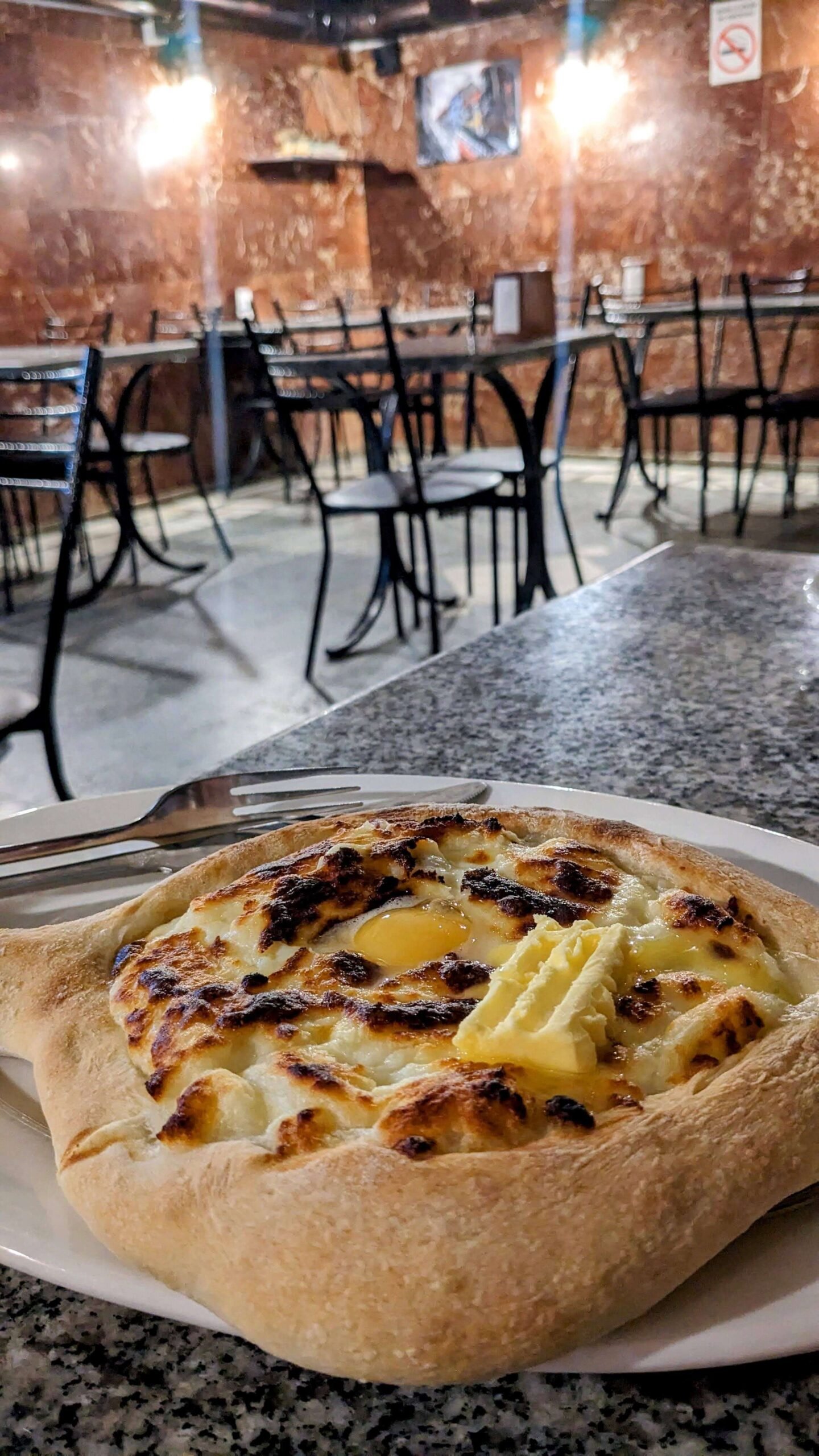
6. Lagos, Portugal
If you’re seeking a slower pace of life but still craving that community-feel, Lagos in the Algarve might be the perfect place for you.
Portugal has long been a favourite for digital nomads in Europe, but while most flock to Lisbon and Madeira, Lagos offers a great quality of life on the Portuguese coast, with lower living costs, strong internet, and a relaxed pace of life.
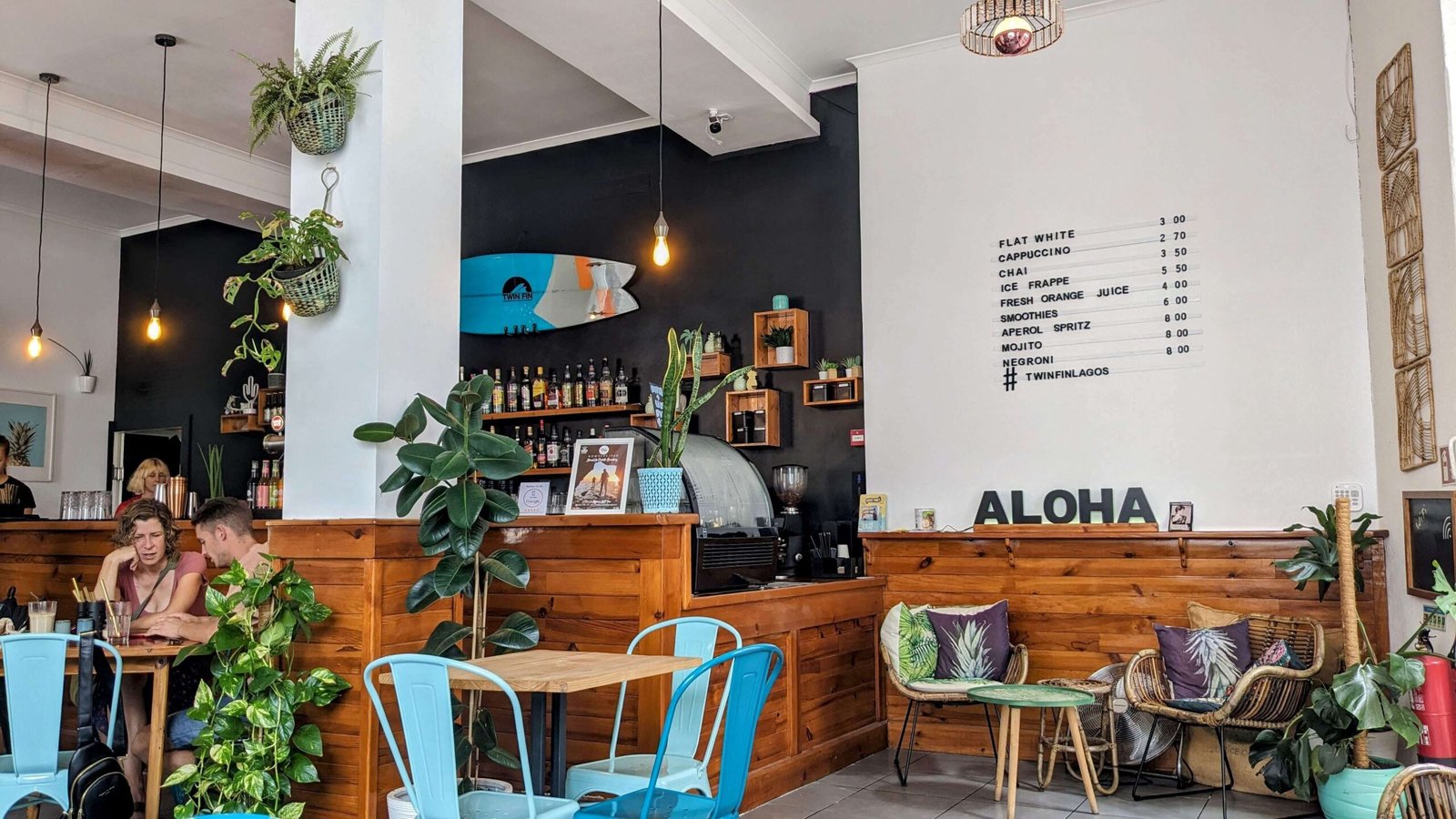
There’s a really strong digital nomad community in Lagos, with plenty of coffee shops and cafes to work from, and whether you prefer yoga or surfing, you won’t find it hard to meet likeminded people in Lagos.
Did I mention there’s also more than 300 days of sunshine a year in Lagos? Lagos is, without a doubt, one of the best beach towns for digital nomads in Europe.
Read | 5 Best Coffee Shops in Lagos
Read | Coliving in The Algarve at Bela Vista Retreat

7. Malta
I might be biased, because I grew up with my Maltese grandmother telling me that Malta is the best place on earth, but it’s undeniable that there are many benefits to living in Malta as a digital nomad.
Malta combines Mediterranean sunshine, an English-friendly culture, and a growing digital nomad ecosystem that appeals to remote workers wanting a mix of productivity and lifestyle.
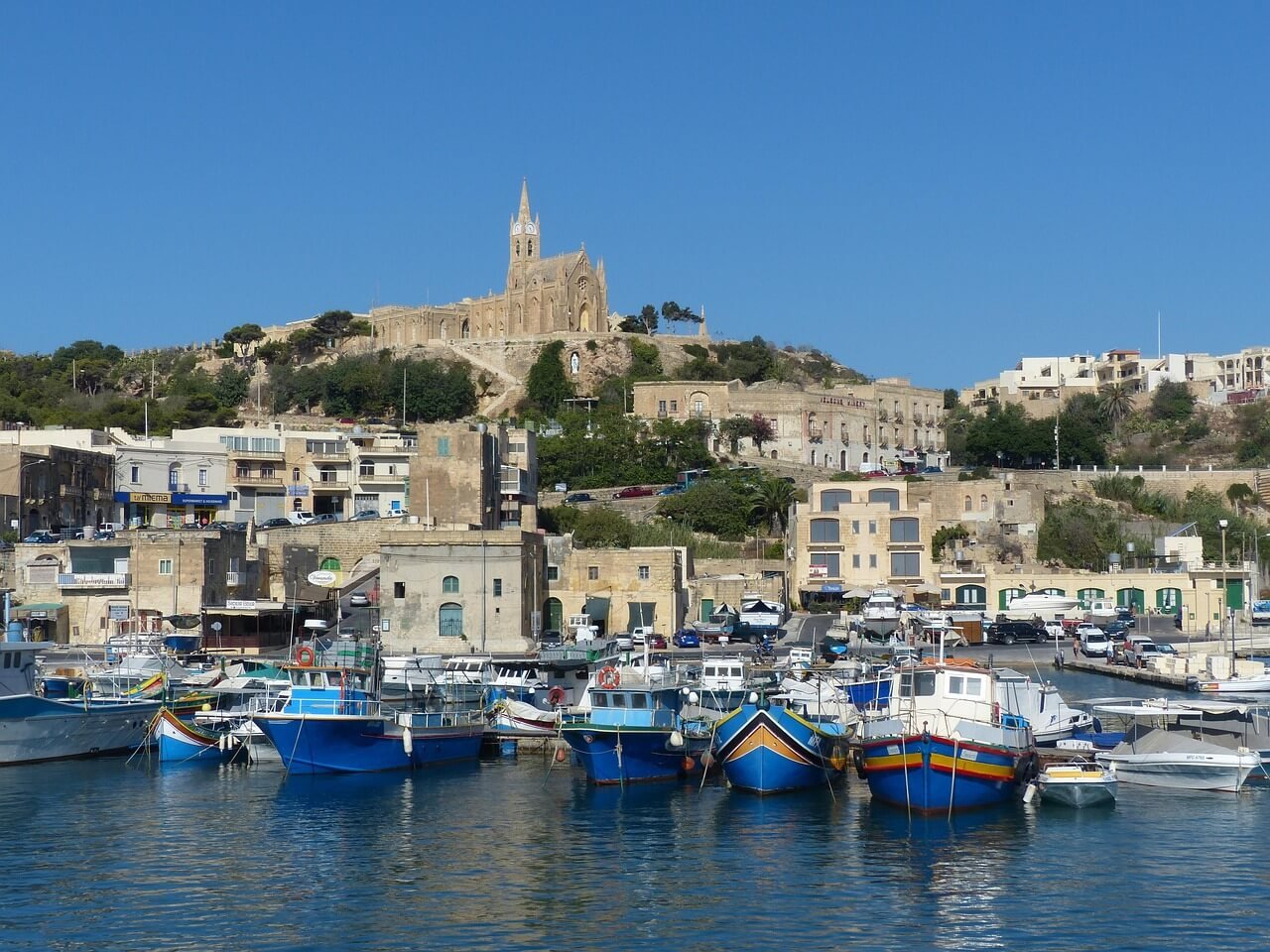
Malta isn’t one of the cheapest places for digital nomads, but the cost of living is reasonable compared with many Western European countries. As an EU member state with digital nomad visas available, it’s also pretty straightforward for long-term remote work stays.
Internet connectivity is generally strong across the islands, and you’ll find plenty of cafés, coworking spaces, and social environments where it’s easy to get work done and meet other nomads.
Beyond work, Malta’s outdoor lifestyle, historic towns, and active expat community contribute to a high quality of life, away from the rat race.
Read | The Perfect Malta Itinerary
8. Palermo, Italy
I debated whether to include Palermo on this list, because it certainly has its drawbacks, but ultimately, this city has my heart, and I couldn’t not include it.
Palermo is an underrated choice for digital nomads who want Italian culture and Mediterranean living without the price tag of northern Italy. The cost of living is noticeably lower than in cities like Milan or Rome, particularly when it comes to rent, eating out, and daily expenses, making it possible to live well on a moderate budget.

There’s also a burgeoning expat/digital nomad scene, and while it isn’t as established as other places on this list, it’s definitely growing.
I spent a few months in Palermo in 2019/2020, and I found it really easy to meet people, both international and local. While I was in Palermo, there were organised language exchanges, day trips, pub quizzes, open mic nights, and much more.

While Sicily doesn’t have ultra-fast internet everywhere, Palermo itself has reliable connections in most apartments, coworking spaces, and cafés, which is more than sufficient for video calls and day-to-day remote work (I actually wrote a list of laptop-friendly cafes in Palermo here, if you’re interested).
In terms of safety, Palermo is generally safe, although not quite as safe as somewhere like Bansko, for example. Palermo is certainly somewhere where street smarts will come in handy, but overall, I would categorise Palermo as a safe place to live. You can read my article about safety in Sicily for more detailed information.
What really makes Palermo appealing is the quality of life: a slower pace, exceptional food, nearby beaches, and easy access to nature. If you’re looking for a place where work fits around life rather than the other way around, Palermo might be the place for you.
Read | 19 Things Nobody Tells You About Moving to Sicily
Best Cities in Europe for Digital Nomads | Final Thoughts
If you’re a digital nomad in Europe (or are soon to be one), I hope that this article has given you some inspiration about where to call ‘home’ for your next chapter.
Digital nomads flock to South America and Southeast Asia, but I firmly believe that some of the best places to live for digital nomads are right here in Europe.
That’s all for today, but as always, if you have any questions then please leave them in the comments section below and I will get back to you.
Until next time,
XOXO
If you like this article and would like to support my work, please click the button above to donate a couple of bucks and buy me a coffee. The revenue that I receive on this website is minimal, so support from my readers enables me to keep creating content that you (hopefully!) love to read.
Disclaimer: Travelling Jezebel contains affiliate links. If you make a purchase on a recommended site, I may make a small commission at no extra cost to you.
